
February 26, 2026
In the competitive world of construction and infrastructure development, the demand for high-quality reinforcing steel is ever-increasing. A ribbed bar cold rolling machine plays a crucial role in producing these essential materials. This article will explore the functionality, benefits, applications, and key considerations when selecting a ribbed bar cold rolling machine, providing valuable insights for businesses involved in steel production and construction. Choosing the right machine can significantly enhance production efficiency and the quality of the final product. We'll cover everything from the rolling process to the latest advancements in machine technology.
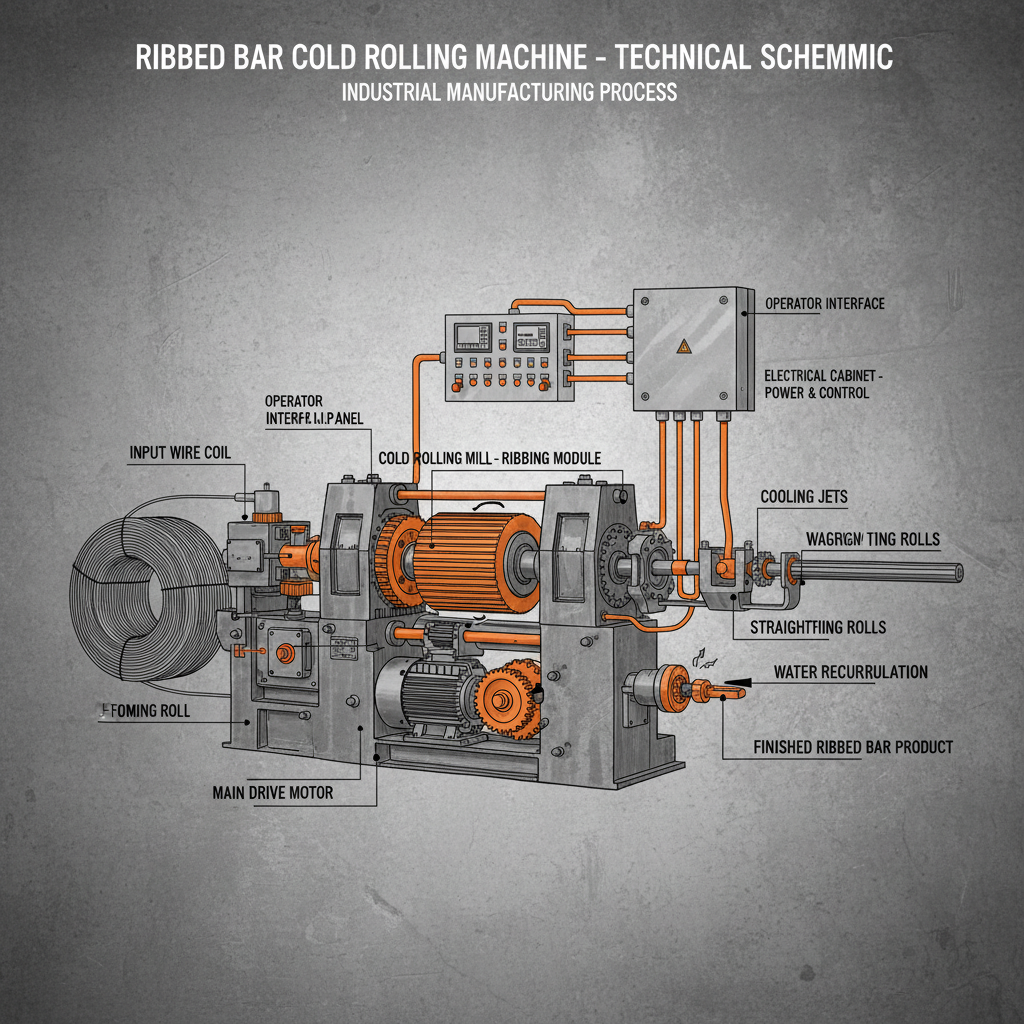
A ribbed bar cold rolling machine transforms smooth steel bars into ribbed reinforcing bars (rebar) through a process called cold rolling. This process doesn’t involve heating the steel, hence the term “cold.” The machine uses a series of precisely engineered roll dies to form the ribs onto the surface of the steel bar. These ribs significantly enhance the bond between the rebar and the concrete, improving the structural integrity of reinforced concrete structures. The process involves feeding the steel bar through multiple rolling stands, each applying a specific amount of deformation. The accuracy of these rolls is paramount to ensuring consistent rib patterns and precise bar dimensions. You can discover more about our innovative machines at Mesh Machinery.
Key Benefits: Increased bond strength with concrete, improved structural integrity, cost-effective production, and minimal material waste.
A high-performance ribbed bar cold rolling machine comprises several essential components. These include the uncoiler, which feeds the steel bars into the machine; the guide system, ensuring precise alignment; the rolling stands, housing the roll dies that create the ribs; the sizing unit, ensuring accurate bar dimensions; the cut-to-length saw, cutting the rebar to the desired length; and the collection system, for efficient handling of the finished product. The control system, often PLC-based, governs the entire process, ensuring accuracy, consistency, and safety. The quality of each component directly impacts the overall performance and longevity of the machine.
Essential Components:
• Uncoiler
• Guide System
• Rolling Stands
• Sizing Unit
• Cut-to-Length Saw
• Control System
Different models of ribbed bar cold rolling machines cater to varying production needs. Key specifications to consider include the processing range (diameter of the steel bars), the rolling speed, the power requirements, and the automation level. A machine’s capacity is usually measured in tons per hour. Selecting a machine with the right specifications is crucial for meeting your production targets and ensuring profitability. Mesh Machinery offers a range of machines designed to accommodate diverse production scales.
Ribbed bars produced by cold rolling machines are indispensable in a wide array of construction projects. They are used extensively in the construction of buildings, bridges, tunnels, roads, and other infrastructure. The enhanced bond strength provided by the ribs ensures greater structural stability and durability. They are also used in precast concrete elements, such as wall panels and columns. The consistent quality and reliability of ribbed bars are critical for ensuring the safety and longevity of these structures.
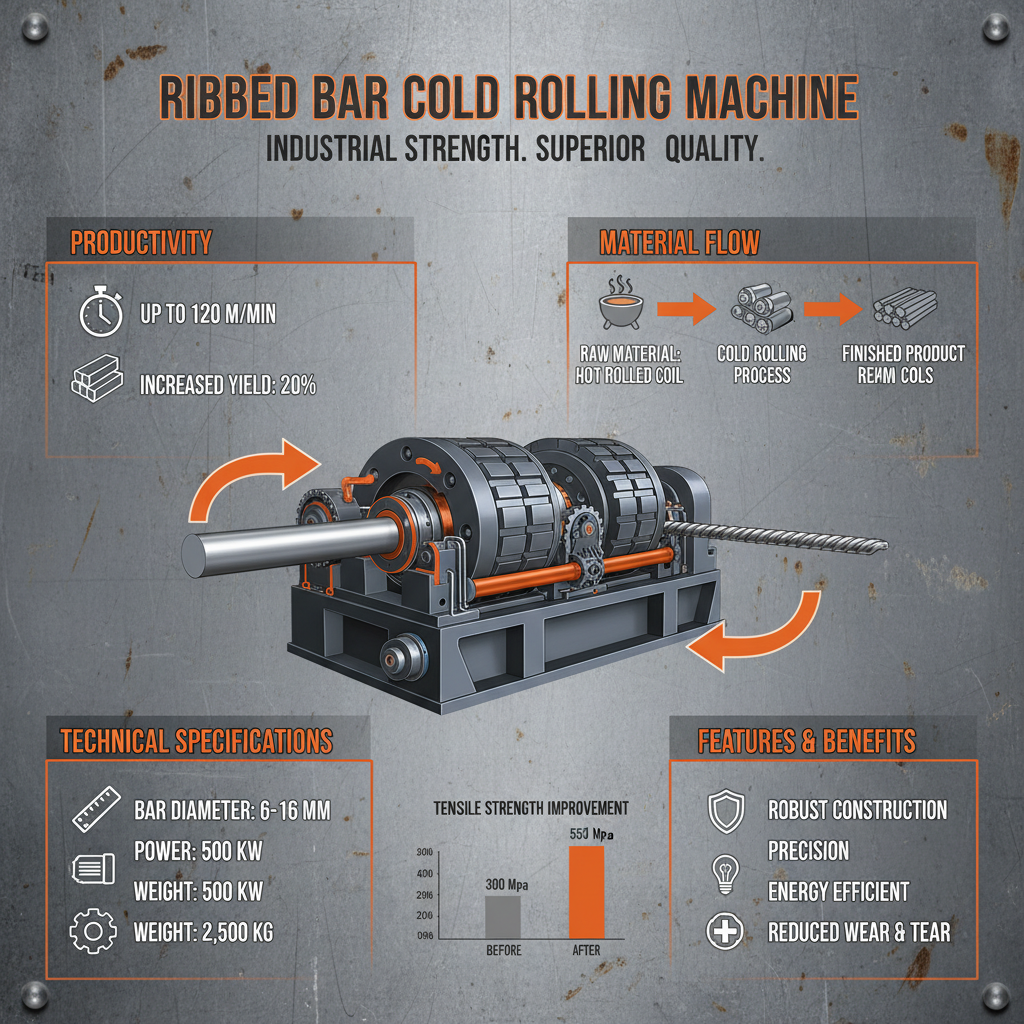
Choosing the right ribbed bar cold rolling machine requires careful consideration of several factors. Production capacity, the range of bar diameters needed, the level of automation desired, and the budget are all critical. It’s also important to assess the manufacturer’s reputation, the availability of after-sales service, and the quality of spare parts. Investing in a reliable machine from a reputable supplier, like Mesh Machinery, ensures long-term productivity and minimizes downtime. Don't underestimate the importance of ongoing maintenance and operator training.
The ribbed bar cold rolling machine is a cornerstone of modern steel reinforcement production. By prioritizing quality, efficiency, and reliability, businesses can ensure a consistent supply of high-performance rebar for critical infrastructure projects. Investing in the right machine is not just a cost; it's an investment in the future of construction.
Regular maintenance is crucial for ensuring the longevity and optimal performance of your ribbed bar cold rolling machine. This includes daily lubrication of moving parts, regular inspection of roll dies for wear, and periodic checks of the hydraulic and electrical systems. It’s essential to have a scheduled maintenance plan in place and to use only genuine spare parts. Proper maintenance can significantly reduce downtime and prevent costly repairs. We recommend consulting the machine’s manual for specific maintenance guidelines.
Safety should be a top priority when selecting a ribbed bar cold rolling machine. Look for features such as emergency stop buttons, safety guards around moving parts, overload protection systems, and proper electrical grounding. The machine should also comply with relevant safety standards and regulations. Operator training is also vital to ensure that personnel are aware of potential hazards and proper safety procedures.
A higher level of automation generally leads to increased production efficiency. Fully automatic machines require less manual intervention, reducing labor costs and minimizing the risk of human error. Automated systems can also optimize the rolling process, resulting in more consistent product quality and higher throughput. However, the initial investment for an automated machine is typically higher than for a semi-automatic one.
The payback period for a ribbed bar cold rolling machine varies depending on factors such as the machine's cost, production volume, and market demand. However, a well-chosen machine can typically pay for itself within 2 to 5 years, through increased production efficiency, reduced labor costs, and improved product quality. A thorough cost-benefit analysis is essential before making a purchase decision.
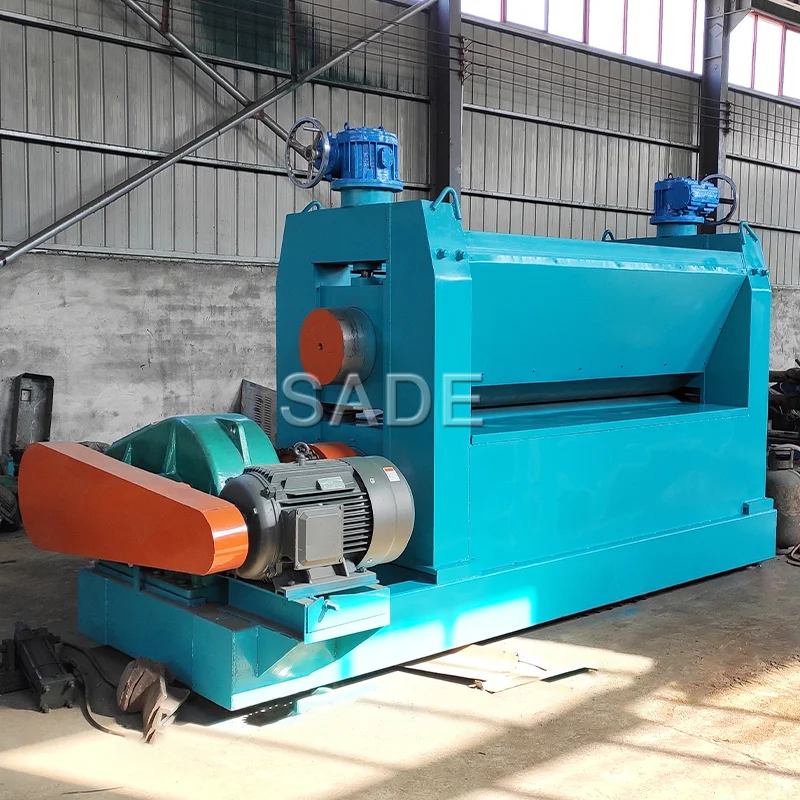
ZPJ Metal Mesh Flatting Machine
ZPJ metal mesh flatting machine is special designed for expanded metal flatting.It’s a corollary equipment of expanded metal machine. It can make expanded wire-mesh smoothly.And the flattened expanded metal have much more widely different applications.
Apr 24, 2026
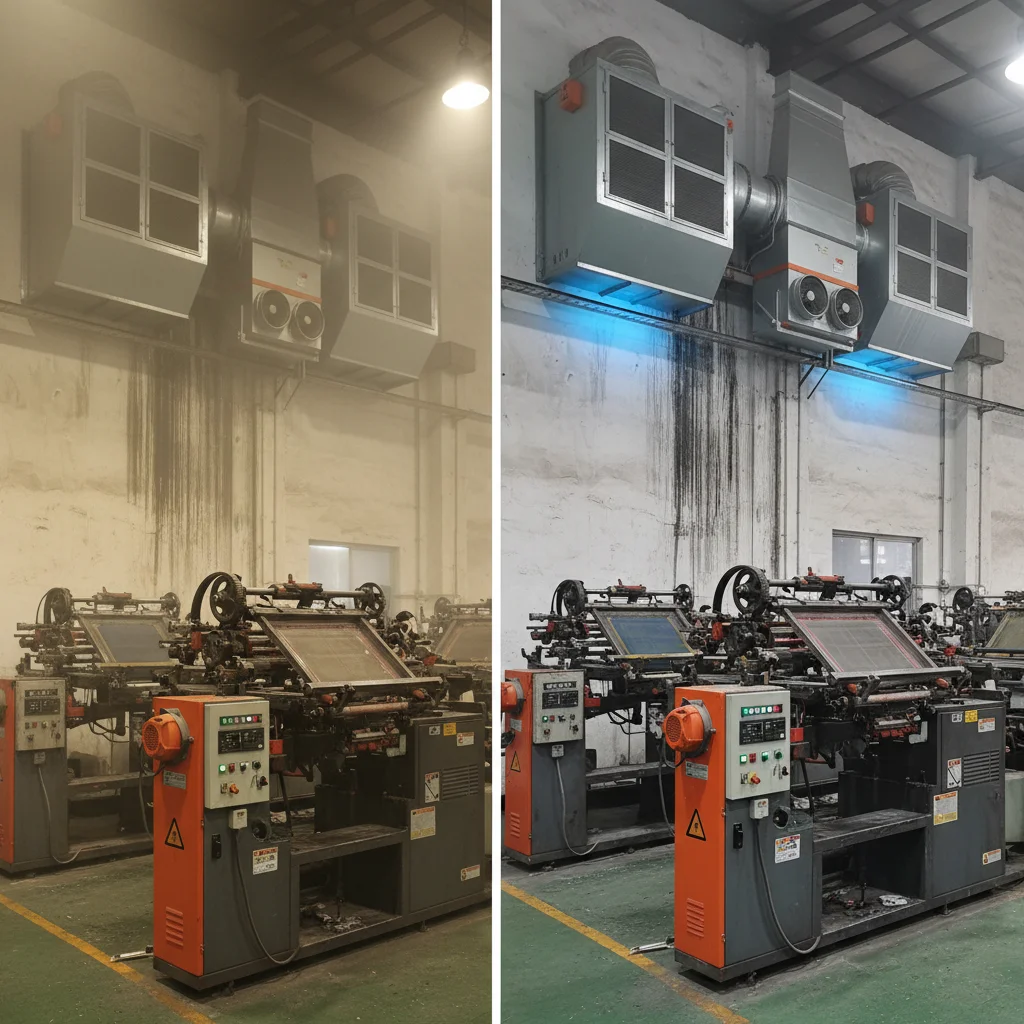
Industrial Wall Mounted Air Filtration for Clean Work Environments