
February 26, 2026
In the competitive world of steel manufacturing, producing high-quality rebar is crucial. A ribbed bar cold drawing machine is a vital piece of equipment for achieving precision, strength, and consistency in rebar production. This article explores the benefits, applications, and key considerations when investing in this technology, providing a comprehensive overview for businesses looking to optimize their steel manufacturing processes. We’ll cover how cold drawing enhances the material properties and why choosing the right machine is paramount for success.
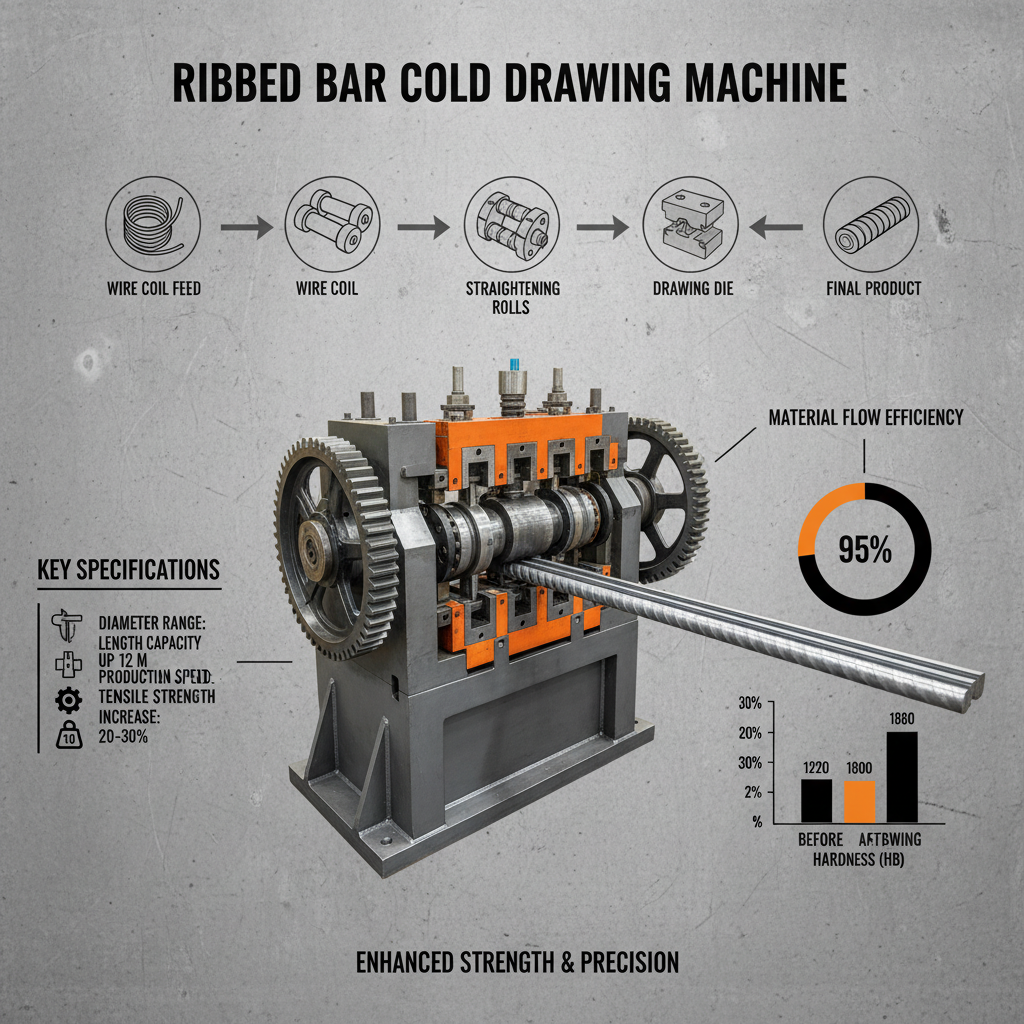
A ribbed bar cold drawing machine is a specialized piece of machinery used to reduce the diameter of steel bars (rebar) through a drawing process. Unlike hot rolling, cold drawing occurs at room temperature, resulting in a superior finish, tighter tolerances, and enhanced mechanical properties. The ‘ribbed’ aspect refers to the surface deformation applied to the rebar, which improves its bond strength with concrete. This process involves pulling the steel bar through a series of dies, progressively reducing its size and increasing its tensile strength. The efficiency and precision of a cold drawing machine are directly related to the quality of the final product.
Key Benefits: Enhanced tensile strength, improved surface finish, tighter dimensional tolerances, and increased bond strength with concrete.
The cold drawing process typically involves several stages. First, the steel bar is cleaned and lubricated to reduce friction. It's then passed through a series of progressively smaller dies. Each die reduces the diameter of the bar incrementally. Between each die, the bar may be re-lubricated and straightened. The ribbed pattern is formed during the drawing process, often using specially designed die profiles. Finally, the finished ribbed bar is cut to the desired length and inspected for quality. This intricate process requires a robust and precisely engineered ribbed bar cold drawing machine to maintain consistent quality and output.
Process Highlights:
• Cleaning & Lubrication: Preparing the steel bar for drawing.
• Die Drawing: Progressively reducing diameter.
• Ribbing: Forming the surface pattern for concrete bonding.
• Cutting & Inspection: Ensuring final product quality.
A high-performance ribbed bar cold drawing machine comprises several critical components. These include the drawing bench, which provides the pulling force; the dies, which determine the final dimensions and rib profile; the lubrication system, essential for reducing friction and wear; the straightening device, ensuring straightness of the rebar; and the control system, which monitors and regulates the entire process. The quality and precision of these components directly impact the machine’s efficiency and the quality of the finished product. Choosing a machine with durable, high-quality components is vital for long-term reliability.
Cold drawn rebar finds extensive applications in various construction projects. Its superior strength and bonding capabilities make it ideal for reinforcing concrete in bridges, buildings, tunnels, and roads. The tighter tolerances achieved through cold drawing also make it suitable for applications requiring precise dimensions, such as precast concrete elements. The enhanced durability of cold drawn rebar contributes to the overall longevity and safety of these structures. Investing in a ribbed bar cold drawing machine allows manufacturers to cater to the growing demand for high-quality rebar in the construction industry.
Selecting the right ribbed bar cold drawing machine requires careful consideration of several factors. These include production capacity, the range of rebar diameters to be processed, the required level of automation, and the overall budget. It's crucial to choose a machine that aligns with your specific production needs and can deliver consistent quality. Furthermore, consider the manufacturer’s reputation for reliability, after-sales service, and technical support. A well-chosen machine will significantly enhance your production efficiency and profitability.
A ribbed bar cold drawing machine is an essential investment for any steel manufacturing company aiming to produce high-quality rebar efficiently and reliably. By understanding the process, key components, and factors to consider when choosing a machine, businesses can optimize their production processes and gain a competitive edge. Don't compromise on quality – choose the right machine for your needs.
Production capacity varies significantly depending on the machine's size, automation level, and the diameter and grade of rebar being processed. Generally, machines range from processing several tons per day to over 20 tons per day. Factors such as die life, lubrication effectiveness, and operator skill also influence the actual output. Mesh Machinery offers machines tailored to a wide range of production needs, from small-scale to large-scale operations.
Regular maintenance is crucial for ensuring optimal performance and longevity. This includes lubricating the machine components, inspecting and replacing worn dies, cleaning the lubrication system, and checking the hydraulic and electrical systems. Preventative maintenance schedules are recommended to minimize downtime and prevent costly repairs. Mesh Machinery provides comprehensive maintenance services and spare parts to support its customers.
The lifespan of the dies depends on several factors, including the type of steel being drawn, the lubrication effectiveness, and the machine’s operating parameters. High-quality dies can last for several hundred tons of steel, but regular inspection and replacement are essential to maintain consistent quality. Signs of wear include changes in the rebar dimensions and surface finish.
Safety is paramount. Important features include emergency stop buttons, safety guards around moving parts, proper electrical grounding, and overload protection systems. Operators should be thoroughly trained on safe operating procedures. The machine should also comply with relevant safety standards and regulations.
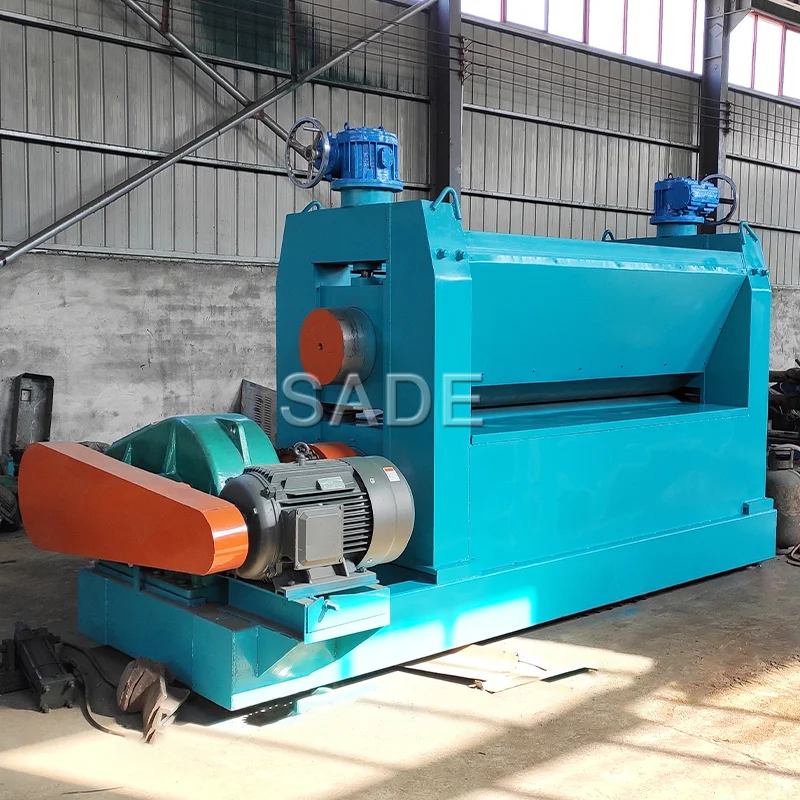
ZPJ Metal Mesh Flatting Machine
ZPJ metal mesh flatting machine is special designed for expanded metal flatting.It’s a corollary equipment of expanded metal machine. It can make expanded wire-mesh smoothly.And the flattened expanded metal have much more widely different applications.
Apr 24, 2026
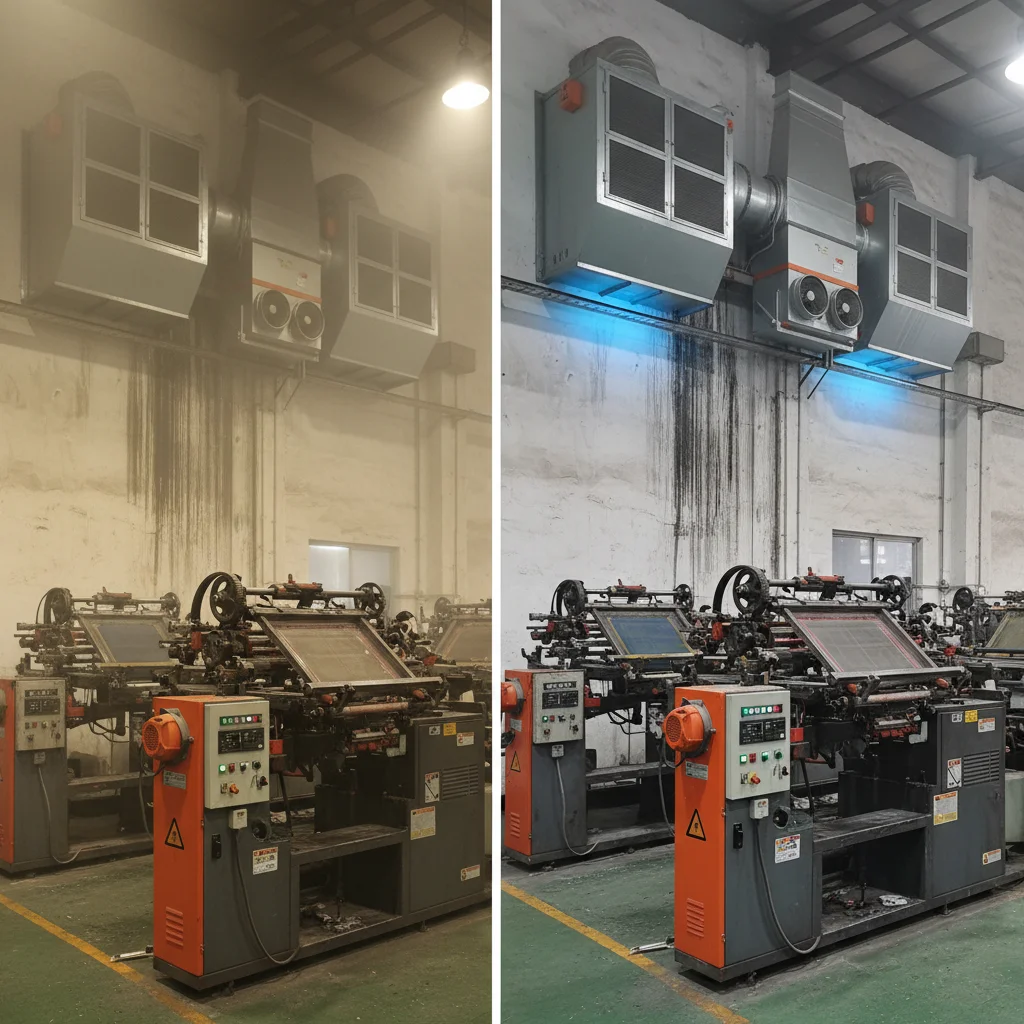
Industrial Wall Mounted Air Filtration for Clean Work Environments