
February 24, 2026
Expanded metal mesh machines are crucial for producing versatile materials used in various industries, from construction and automotive to filtration and security. This article offers an in-depth look at these machines, their applications, types, operational principles, and key considerations for purchasing. Understanding the nuances of expanded metal mesh machines is vital for businesses seeking to optimize production processes and meet diverse market demands. We'll explore the benefits of choosing the right machine for your specific needs and delve into the future trends shaping this industry.
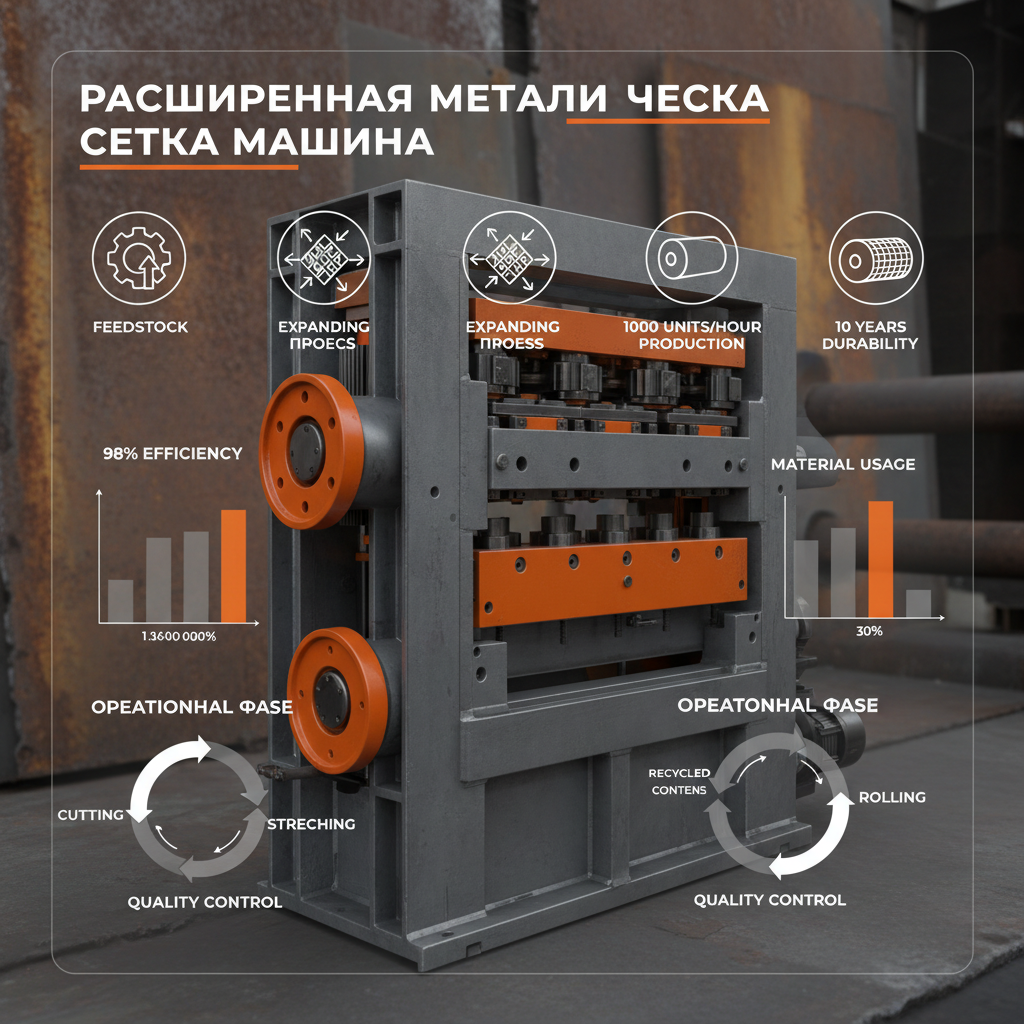
These machines work by slitting and stretching metal sheets, creating a diamond-shaped or hexagonal pattern with interconnected strands. This process doesn't remove any metal, making it a cost-effective and environmentally friendly production method. The resulting expanded metal offers high strength-to-weight ratios, excellent ventilation, and a non-slip surface. Different machine configurations cater to a wide range of metal types – including steel, aluminum, stainless steel, and more – and thicknesses. Key components of a typical machine include a feeding system, slitting tools, stretching rollers, and a control panel for precise operation. The quality of the finished product heavily depends on the precision and reliability of these components.
Key Highlights: Expanded metal mesh machines offer a cost-effective and environmentally friendly production method, utilizing all the original material. They produce a high-strength, versatile product for various industries.
There are several types of expanded metal mesh machines, each designed for specific production needs and scales. Mechanical machines are traditional, relying on mechanical force for slitting and stretching. They're typically more affordable but may offer lower production speeds. Hydraulic machines utilize hydraulic power, providing greater force and precision, leading to higher production rates and the ability to handle thicker materials. CNC machines (Computer Numerical Control) represent the most advanced type, offering automated operation, precise control over parameters like mesh size and strand width, and high repeatability. The choice depends on factors such as production volume, material type, required precision, and budget. Explore the different machine options at Mesh Machinery.
Machine Type Comparison:
• Mechanical: Affordable, lower production speed.
• Hydraulic: Higher force, faster production, handles thicker materials.
• CNC: Automated, precise control, high repeatability.
Selecting the right machine requires careful consideration of several factors. Material type and thickness are paramount – ensure the machine can handle your target materials effectively. Production volume dictates the required machine capacity and automation level. Mesh size and strand width influence the machine's precision and adjustability. Budget is a practical constraint, balancing initial investment with long-term operational costs. Maintenance requirements and availability of spare parts should also be factored in. Finally, consider the manufacturer's reputation and after-sales support. Thoroughly evaluating these factors will lead to a more informed and profitable investment.
Expanded metal mesh finds applications in diverse industries. In construction, it's used for scaffolding, walkways, and reinforcing concrete. The automotive industry utilizes it for filters, speaker grilles, and safety components. Filtration systems benefit from its excellent permeability and strength. Security applications leverage its robust structure for fencing, screens, and protective guards. Other applications include animal enclosures, architectural features, and industrial flooring. Its versatility and durability make it an essential material across numerous sectors.
The industry is witnessing several key trends. Increased automation and CNC control are enhancing precision, efficiency, and reducing labor costs. Development of machines capable of processing a wider range of materials – including exotic alloys and composites – is expanding application possibilities. Integration of Industry 4.0 technologies, such as IoT sensors and data analytics, is enabling predictive maintenance and optimized production processes. Focus on energy efficiency and sustainability is driving the development of more eco-friendly machines. These advancements promise to revolutionize the expanded metal mesh manufacturing landscape.
Investing in a high-quality Расширенная металлическая сетка machine is crucial for businesses seeking to enhance production efficiency, product quality, and overall competitiveness. By carefully considering factors such as material compatibility, production volume, and budget, you can select a machine that aligns with your specific needs. Mesh Machinery offers a comprehensive range of solutions to meet your requirements. Don't compromise on quality – choose a reliable machine for long-term success.
Regular maintenance is crucial for ensuring optimal performance and longevity. This includes lubricating moving parts, inspecting and replacing worn slitting tools, checking hydraulic fluid levels (for hydraulic machines), and cleaning the machine to prevent material buildup. Following the manufacturer's recommended maintenance schedule is essential. Preventive maintenance can significantly reduce downtime and extend the lifespan of the machine. Regular inspections can identify potential issues before they escalate into costly repairs.
Production speed varies significantly depending on the machine type, material thickness, mesh size, and automation level. Mechanical machines typically have lower speeds, ranging from a few meters per hour. Hydraulic machines can achieve speeds of up to 20-30 meters per hour. CNC machines, with their advanced automation, can reach even higher speeds, exceeding 40 meters per hour. Always refer to the machine's specifications and conduct tests with your target materials to determine the actual production rate.
Safety is paramount when operating these machines. Always wear appropriate personal protective equipment (PPE), including safety glasses, gloves, and hearing protection. Ensure the machine is properly grounded and that all safety guards are in place. Never reach into the machine while it's in operation. Follow the manufacturer's safety guidelines and provide adequate training to all operators. Regular safety inspections and maintenance are essential to prevent accidents.
Expanded metal mesh machines can process a wide variety of metal sheets. Common materials include carbon steel, stainless steel (grades 304, 316, etc.), aluminum, galvanized steel, and copper. The specific material compatibility depends on the machine's capabilities and the hardness of the metal. Consult the machine's specifications and the manufacturer to ensure it can handle your desired material effectively.
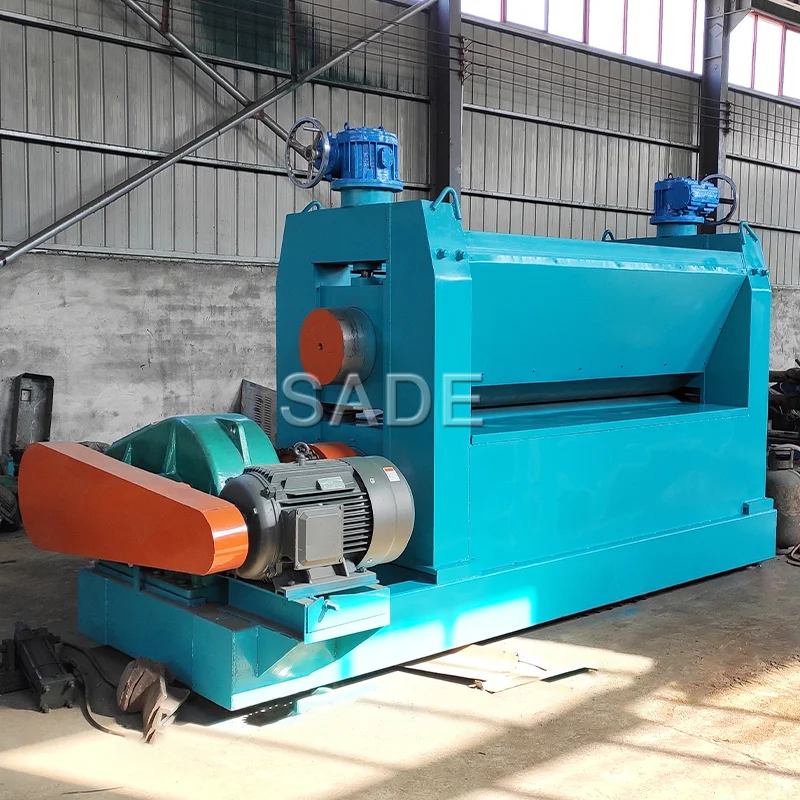
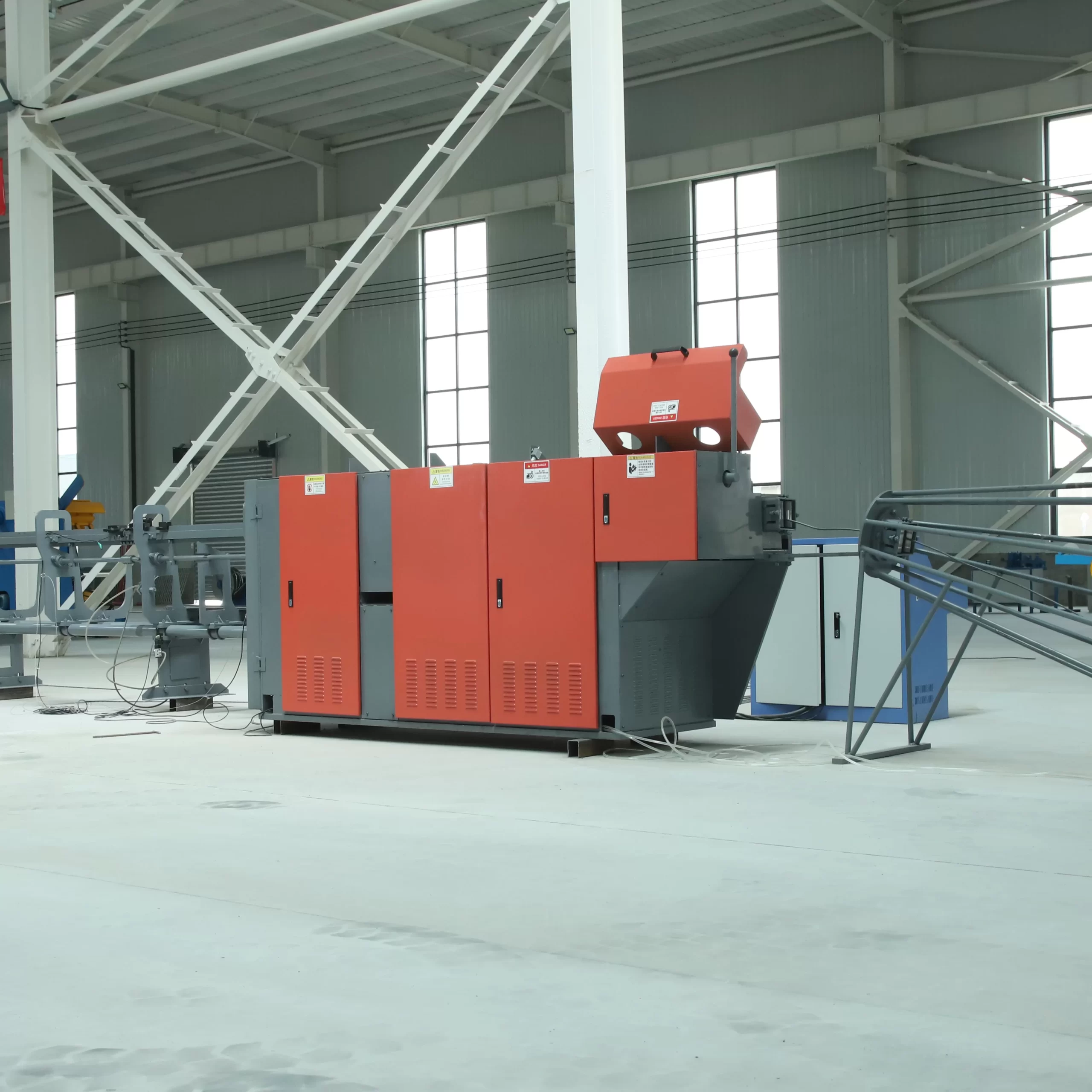
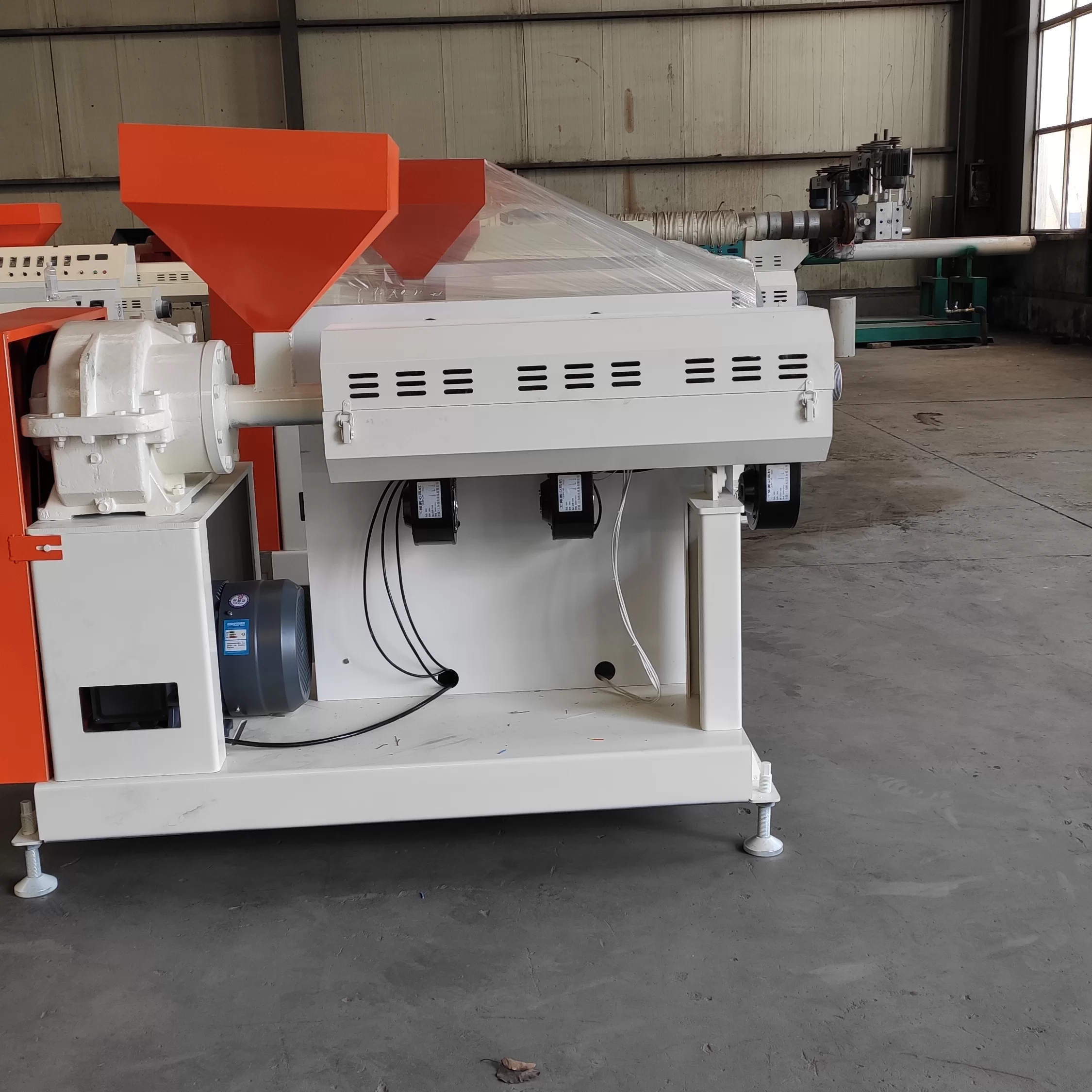
ZPJ Metal Mesh Flatting Machine
ZPJ metal mesh flatting machine is special designed for expanded metal flatting.It’s a corollary equipment of expanded metal machine. It can make expanded wire-mesh smoothly.And the flattened expanded metal have much more widely different applications.
Apr 24, 2026
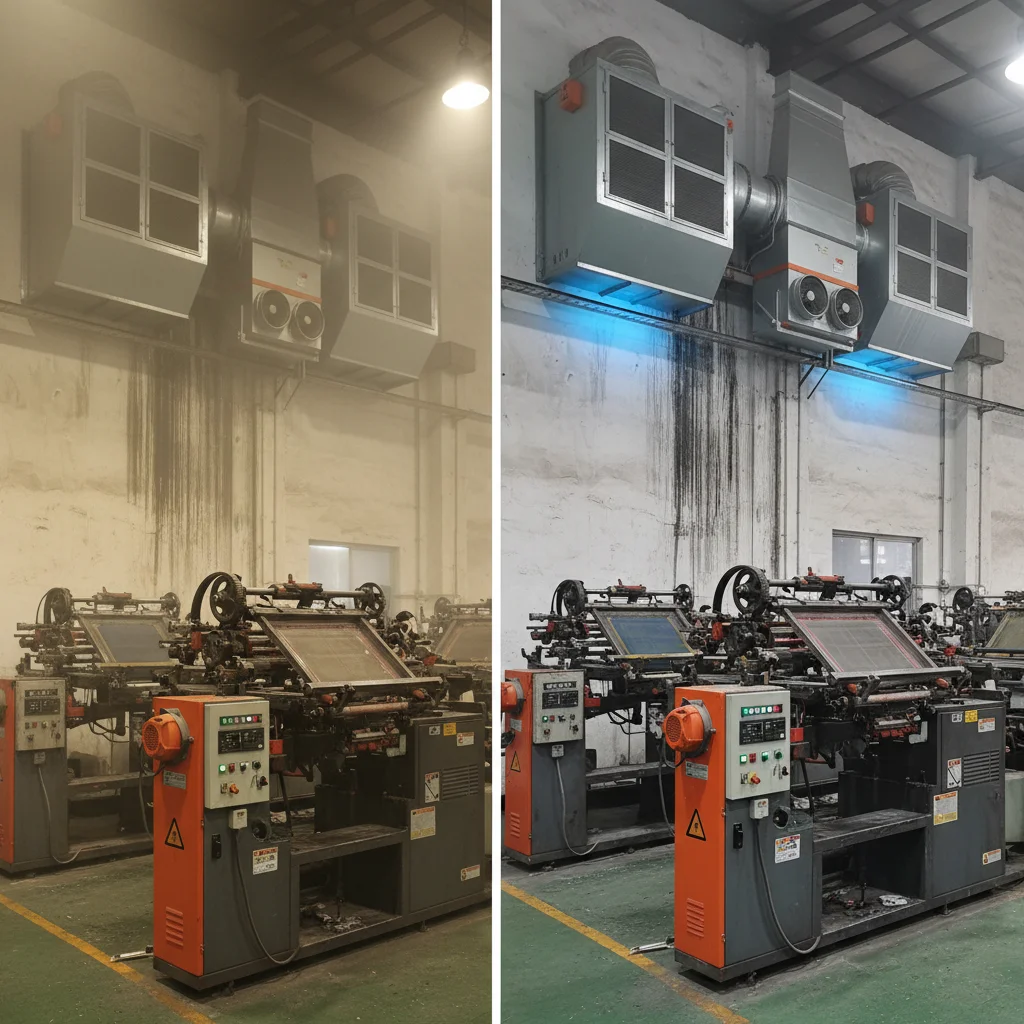
Industrial Wall Mounted Air Filtration for Clean Work Environments