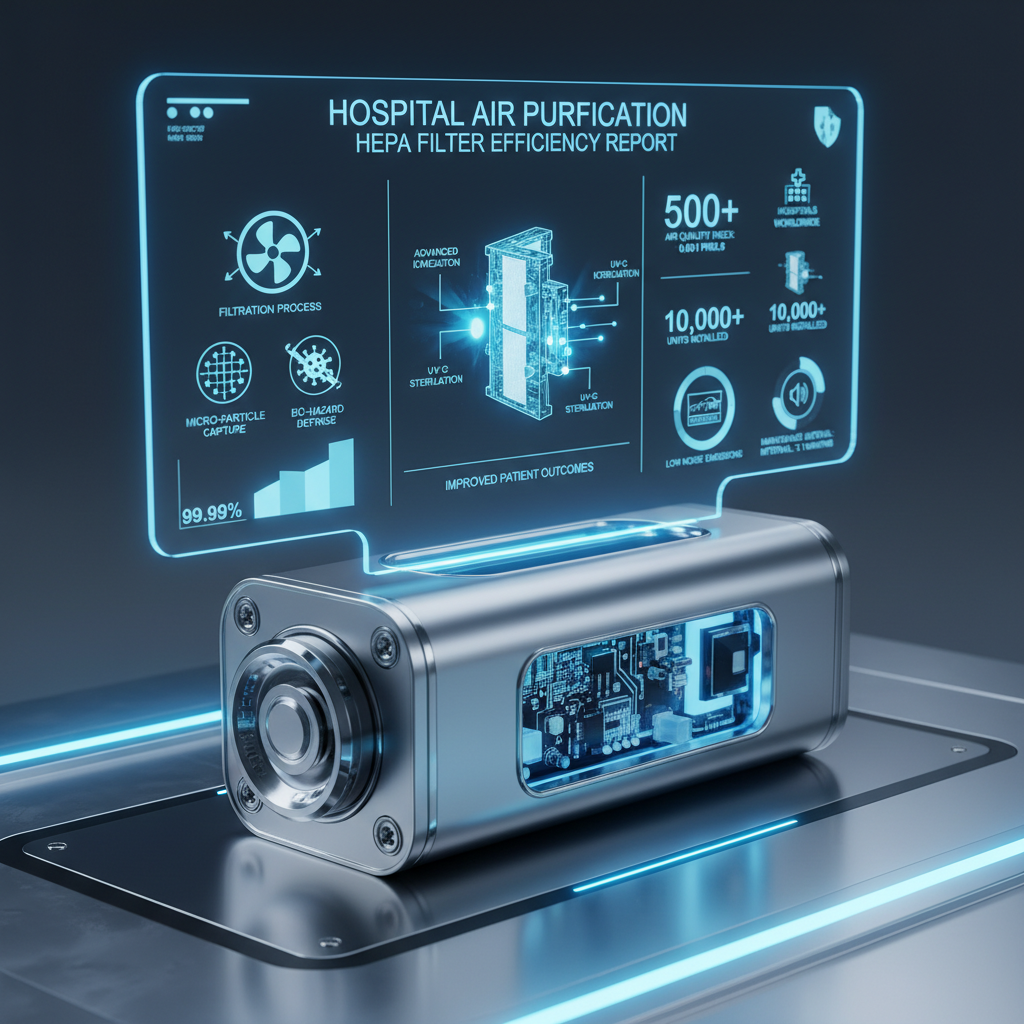
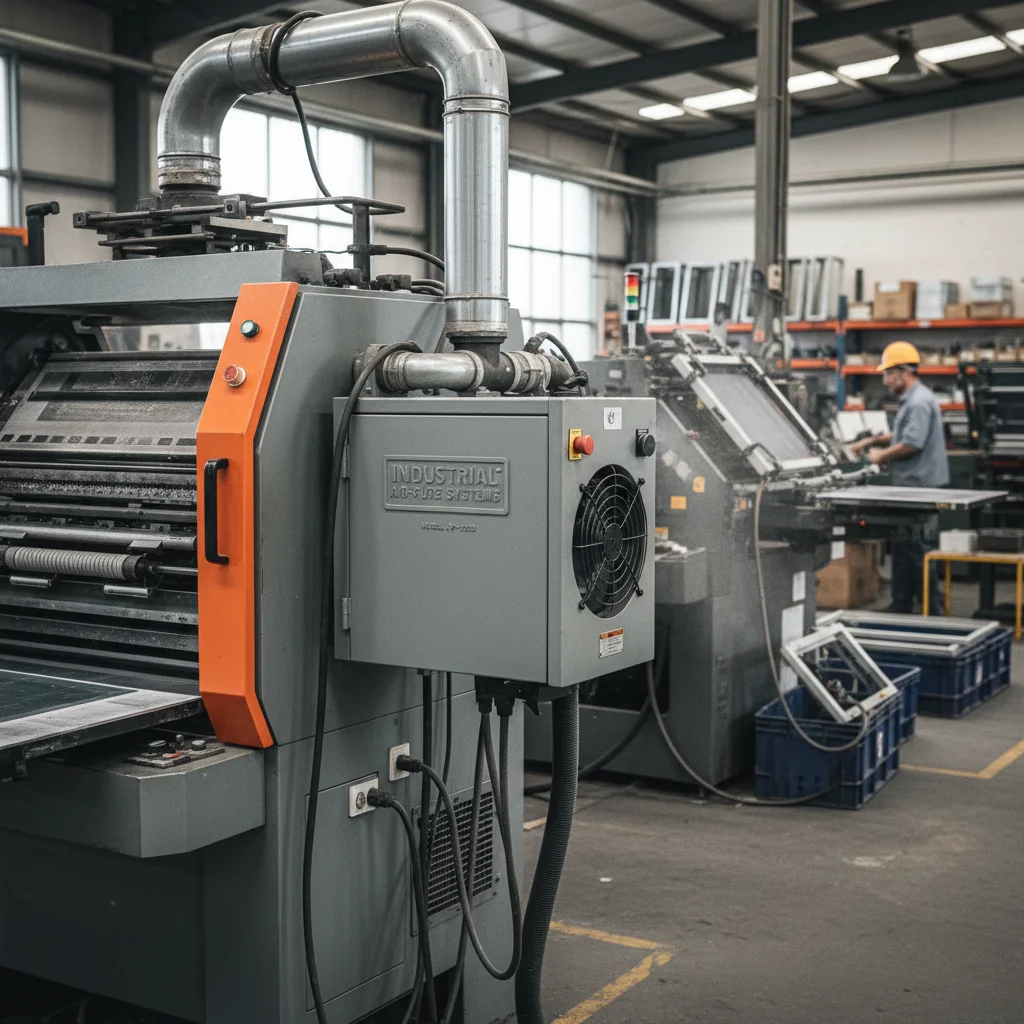
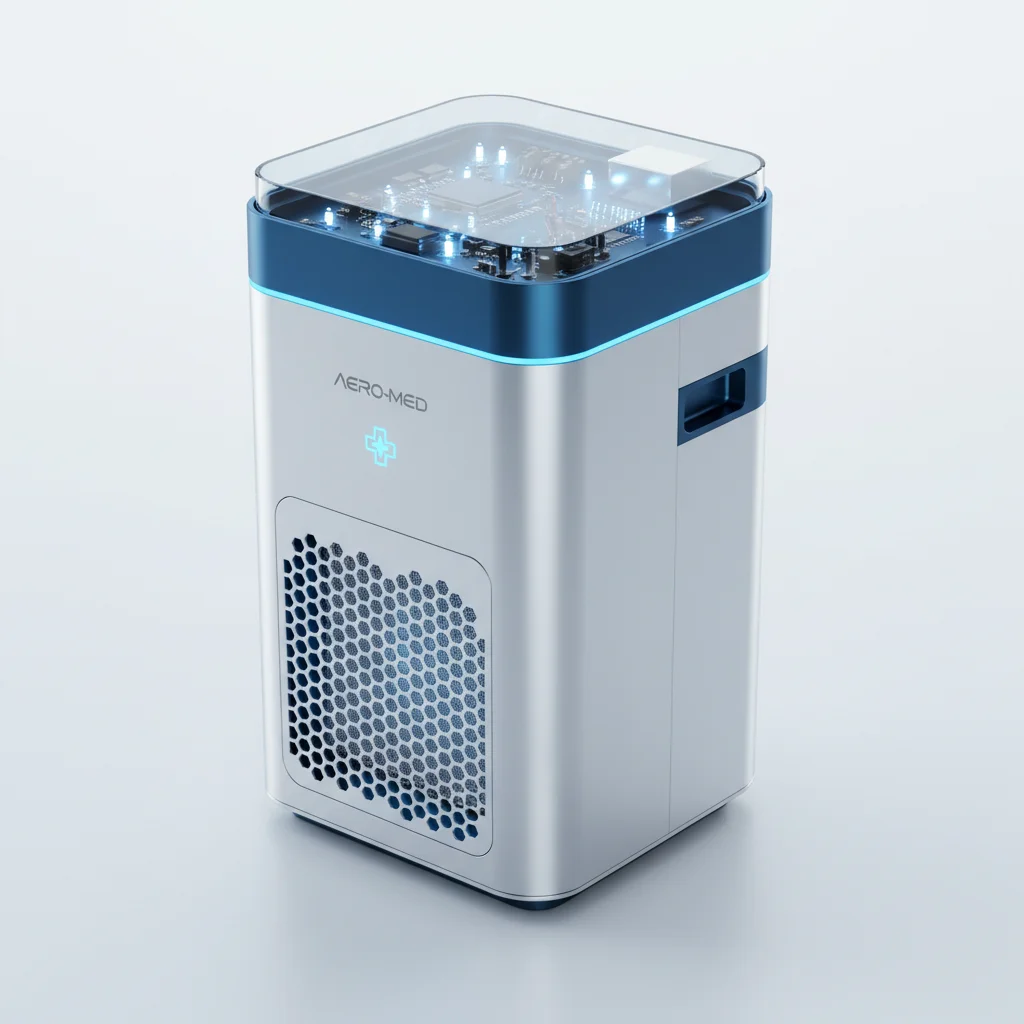
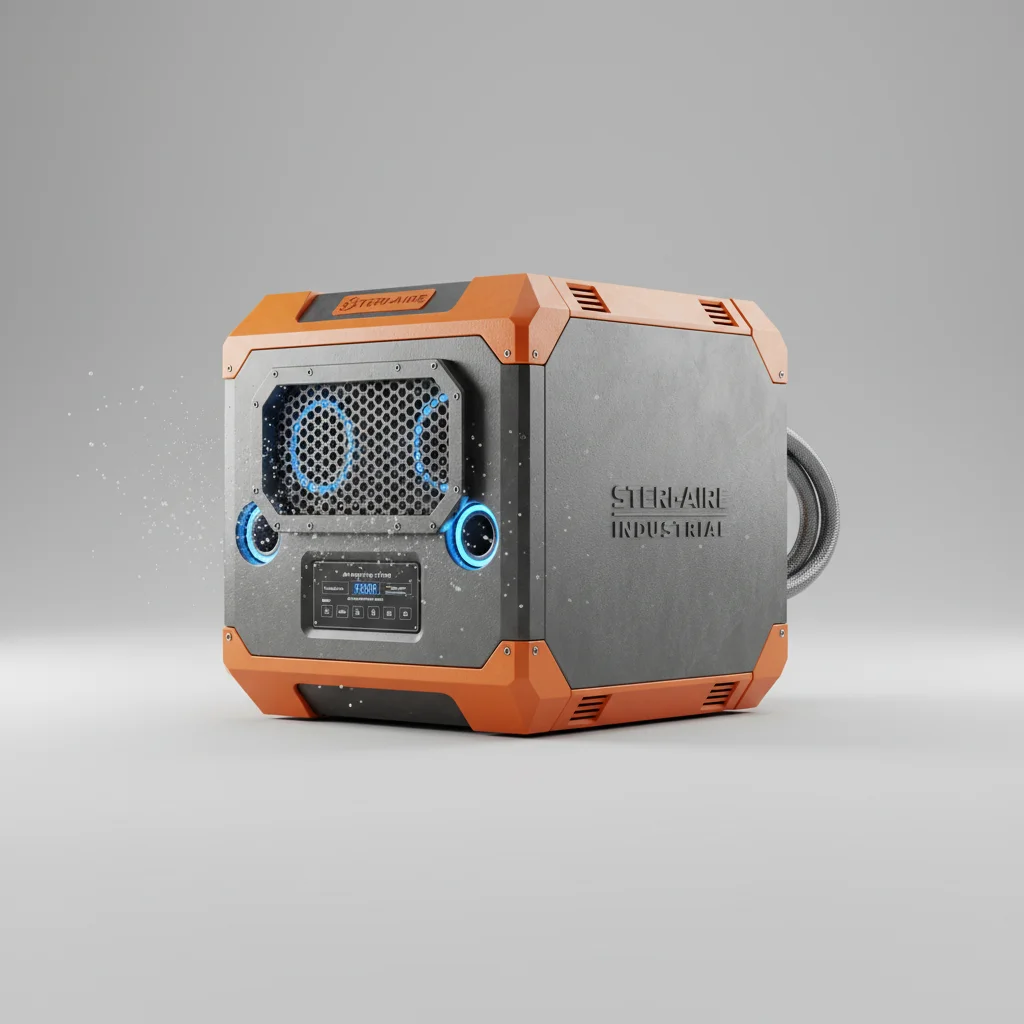
Hospital HEPA filters are critical components in maintaining sterile environments within healthcare facilities. They play a pivotal role in infection control, protecting both patients and medical staff from airborne pathogens. These filters aren’t just about removing dust; they’re about preventing the spread of dangerous diseases, contributing significantly to improved patient outcomes and a safer healthcare experience. Understanding the intricacies of hospital hepa filter technology is paramount in ensuring effective air purification and a robust defense against airborne contaminants.
The global demand for high-efficiency air filtration systems, specifically hospital HEPA filters, is steadily increasing, driven by factors like rising healthcare awareness, stringent regulations regarding air quality, and the emergence of new and resistant pathogens. According to the World Health Organization, hospital-acquired infections (HAIs) remain a significant public health concern, and effective air filtration is a key strategy in minimizing their occurrence. The consistent need for advanced filtration highlights the growing importance of investing in and understanding the capabilities of this technology.
The impact of quality hospital HEPA filters extends beyond the immediate healthcare setting, influencing broader public health outcomes. Effective air purification can reduce the burden on healthcare systems by minimizing HAIs, allowing resources to be allocated more efficiently. Furthermore, advancements in filter technology are contributing to more sustainable and energy-efficient healthcare facilities, aligning with global efforts to reduce carbon footprints and promote environmental responsibility.
Introduction to Hospital HEPA Filters
Hospital HEPA filters represent a cornerstone of modern infection control, actively removing airborne particles and ensuring a safer environment for patients and healthcare professionals. Their ability to capture 99.97% of particles 0.3 microns in diameter makes them uniquely suited for critical medical environments. Understanding their importance is paramount in creating and maintaining hygienic healthcare spaces.
The demand for these filters is driven by increasingly stringent healthcare regulations and a growing awareness of the impact of airborne pathogens on patient health. The ongoing evolution of antimicrobial resistance further emphasizes the necessity of advanced air purification technologies. Selecting the right hospital hepa filter is a crucial decision for any healthcare facility.
Defining Hospital HEPA Filters
A Hospital HEPA (High-Efficiency Particulate Air) filter is a type of mechanical air filter that removes at least 99.97% of particles 0.3 microns in diameter. These filters are designed to trap microscopic particles, including bacteria, viruses, allergens, and dust, ensuring the air circulating within a healthcare environment is exceptionally clean. This standard is crucial for preventing the spread of airborne illnesses and maintaining sterile conditions.
The connection to modern industry lies in the increasingly sophisticated manufacturing processes required to create these filters, demanding precision engineering and quality control. Simultaneously, these filters address a vital humanitarian need by safeguarding vulnerable populations – patients – within healthcare facilities, particularly during outbreaks or in settings with compromised immune systems.
Beyond their core function of particle removal, modern hospital HEPA filters are often integrated into larger HVAC (Heating, Ventilation, and Air Conditioning) systems, offering comprehensive air management solutions. The evolution of HEPA filter technology mirrors the broader trend toward preventative healthcare and the importance of environmental control in mitigating disease transmission.
Core Components of Hospital HEPA Filters
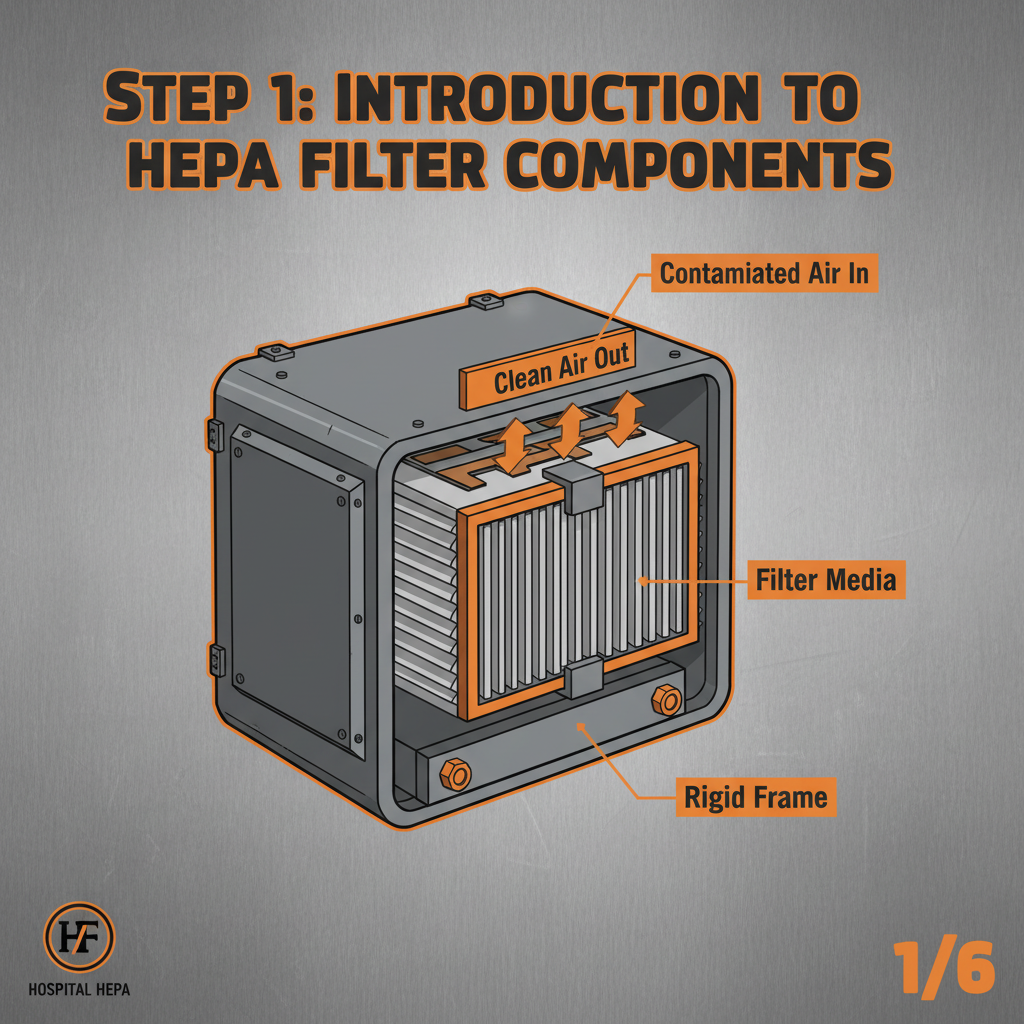
The effectiveness of a hospital HEPA filter isn't simply about the filter media itself; it’s a result of a carefully engineered system. The primary component is the filter media, typically composed of tightly woven glass fibers arranged in a random pattern. This intricate structure maximizes surface area for particle capture.
Another key factor is the filter frame, usually made of aluminum or cardboard, which provides structural support and ensures a tight seal within the HVAC system. Pre-filters are often incorporated to extend the life of the HEPA filter by capturing larger particles, reducing the load on the primary filter. Finally, the seal between the filter and the housing is critical; any leaks can compromise the filter’s effectiveness.
Durability is paramount as frequent filter replacement can disrupt operations and increase costs. HEPA filters are rigorously tested to withstand specific airflow rates and pressure drops, ensuring consistent performance over time. Scalability refers to the ability to tailor filter size and configuration to different HVAC systems and room sizes. Cost-efficiency is balanced against performance and longevity; a higher initial cost may be justified by a longer lifespan and reduced maintenance.
Applications Across Healthcare Settings
Hospital HEPA filters are indispensable in a wide range of healthcare environments. Operating rooms require the highest level of air purification to minimize the risk of surgical site infections. Intensive care units (ICUs), housing patients with compromised immune systems, rely on these filters to protect vulnerable individuals from airborne pathogens.
Beyond critical care areas, HEPA filters are increasingly employed in respiratory therapy departments, pharmacies compounding sterile medications, and even patient waiting rooms to create a cleaner and safer atmosphere. In post-disaster relief operations, portable HEPA filters can be deployed to establish temporary field hospitals with controlled air quality.
Hospital HEPA Filter Performance by Application
Advantages and Long-Term Value
The most tangible benefit of hospital HEPA filters is the reduction of healthcare-associated infections (HAIs). This translates to decreased patient morbidity and mortality, shorter hospital stays, and lower treatment costs. Investing in high-quality hospital hepa filter also improves patient confidence and enhances the overall reputation of a healthcare facility.
From a sustainability perspective, properly maintained HEPA filters can contribute to more energy-efficient HVAC systems, reducing energy consumption and lowering operating costs. The emotional impact of providing a clean and safe environment for patients and staff cannot be overstated; it fosters a sense of trust and well-being.
Future Trends in Hospital HEPA Filtration
Future developments in hospital HEPA filtration are focused on integrating smart technology into filter monitoring and management. Real-time sensors will provide data on filter performance, enabling proactive replacement and optimizing air quality. The development of filters with antimicrobial coatings is also gaining momentum, offering an additional layer of protection against pathogens.
Nanotechnology is being explored to enhance filter efficiency and reduce energy consumption. Furthermore, the drive towards sustainable healthcare practices is prompting research into biodegradable and recyclable filter materials, minimizing environmental impact. Digital transformation will streamline filter inventory management and predictive maintenance.
Challenges and Solutions in HEPA Filter Implementation
One common challenge is ensuring proper installation and maintenance of HEPA filters. Incorrect installation can compromise their effectiveness, while inadequate maintenance can lead to reduced airflow and increased pressure drop. Training for HVAC technicians is crucial to address this issue.
Another challenge is the cost of HEPA filters, particularly for smaller healthcare facilities. Implementing a lifecycle cost analysis, considering filter lifespan and replacement frequency, can help justify the investment. Exploring innovative financing options and group purchasing agreements can also reduce costs.
Finally, the disposal of used HEPA filters presents an environmental concern. Developing sustainable disposal methods, such as incineration with energy recovery or recycling of filter materials, is essential for minimizing environmental impact.
Summary of Hospital HEPA Filter Implementation Challenges and Solutions
| Challenge |
Impact |
Solution |
Implementation Cost (1-10) |
| Incorrect Installation |
Reduced Filter Efficiency |
Comprehensive Technician Training |
6 |
| High Filter Costs |
Budget Constraints |
Lifecycle Cost Analysis, Group Purchasing |
7 |
| Improper Maintenance |
Reduced Airflow & Pressure Drop |
Scheduled Filter Inspections & Replacement |
5 |
| Filter Disposal Issues |
Environmental Impact |
Sustainable Disposal Methods (Incineration, Recycling) |
8 |
| Lack of Monitoring |
Unawareness of Filter Performance |
Real-Time Sensor Integration |
9 |
| Limited Space for Filters |
Difficulty in System Integration |
Compact Filter Designs & Modular Systems |
4 |
FAQS
HEPA filters are far more efficient than standard air filters. Standard filters typically capture larger particles like dust and pollen, while HEPA filters are designed to capture at least 99.97% of particles 0.3 microns in size, including bacteria and viruses. This level of filtration is crucial for maintaining sterile environments in healthcare settings where airborne pathogens pose a significant threat. They're built with a much denser, more intricate fiber structure, resulting in superior particle capture.
The replacement frequency of hospital HEPA filters depends on various factors, including the filter type, usage conditions, and air quality. Generally, filters should be inspected regularly (every 6-12 months) and replaced when they reach their recommended lifespan or when pressure drop exceeds a specified level. Monitoring pressure drop is a reliable indicator of filter loading. Neglecting replacement can compromise air quality and increase energy consumption.
When purchasing a hospital hepa filter, ensure it is certified to meet industry standards like EN 1822 (European Standard) or IEST-RP-CC007 (Recommended Practice for Testing HEPA Filters). These certifications verify that the filter has been independently tested and meets the required efficiency and performance criteria. Look for filters that are specifically designed and validated for use in healthcare environments.
Yes, HEPA filters are effective at removing viruses, including COVID-19, as viruses typically attach to respiratory droplets that fall within the 0.3-micron particle size range captured by HEPA filters. However, it's important to note that HEPA filters don’t kill viruses; they simply remove them from the air. Combining HEPA filtration with other preventative measures like ventilation and social distancing is crucial.
Using a damaged or improperly installed HEPA filter can significantly compromise air quality and increase the risk of airborne infection transmission. Damaged filters may allow particles to bypass the filtration system, while improper installation can create gaps where unfiltered air can enter the room. Regular inspections and professional installation are essential to ensure optimal filter performance and protect patient safety.
Pre-filters play a vital role in extending the lifespan and maintaining the efficiency of HEPA filters. They capture larger particles like dust, pollen, and lint, preventing them from clogging the HEPA filter and reducing its airflow. By reducing the load on the HEPA filter, pre-filters help to lower maintenance costs and ensure consistent air purification performance. They are a cost-effective way to enhance the overall filtration system.
Conclusion
In conclusion, hospital HEPA filters are a vital component of modern healthcare, offering unparalleled air purification and playing a crucial role in infection control, patient safety, and overall healthcare quality. Their ability to capture microscopic particles, combined with ongoing advancements in filter technology, makes them an indispensable asset for any healthcare facility committed to providing a safe and healthy environment.
Looking ahead, continued innovation in filter materials, smart monitoring systems, and sustainable disposal practices will further enhance the effectiveness and environmental responsibility of hospital HEPA filtration. Investing in high-quality HEPA filters and implementing robust maintenance programs is not just a matter of compliance; it's a commitment to protecting patients, staff, and the community. Visit our website at www.meshmachinery.com to learn more about our range of hospital HEPA filtration solutions.