
February 09, 2026
Are you looking to invest in a chain link fence mesh production line? Understanding the options available is crucial for maximizing your investment and ensuring high-quality output. This article provides a detailed overview of these lines, covering types, components, applications, and key considerations for choosing the right system for your business. We'll explore the benefits of automated production, the factors influencing cost, and the latest advancements in fence mesh manufacturing technology.
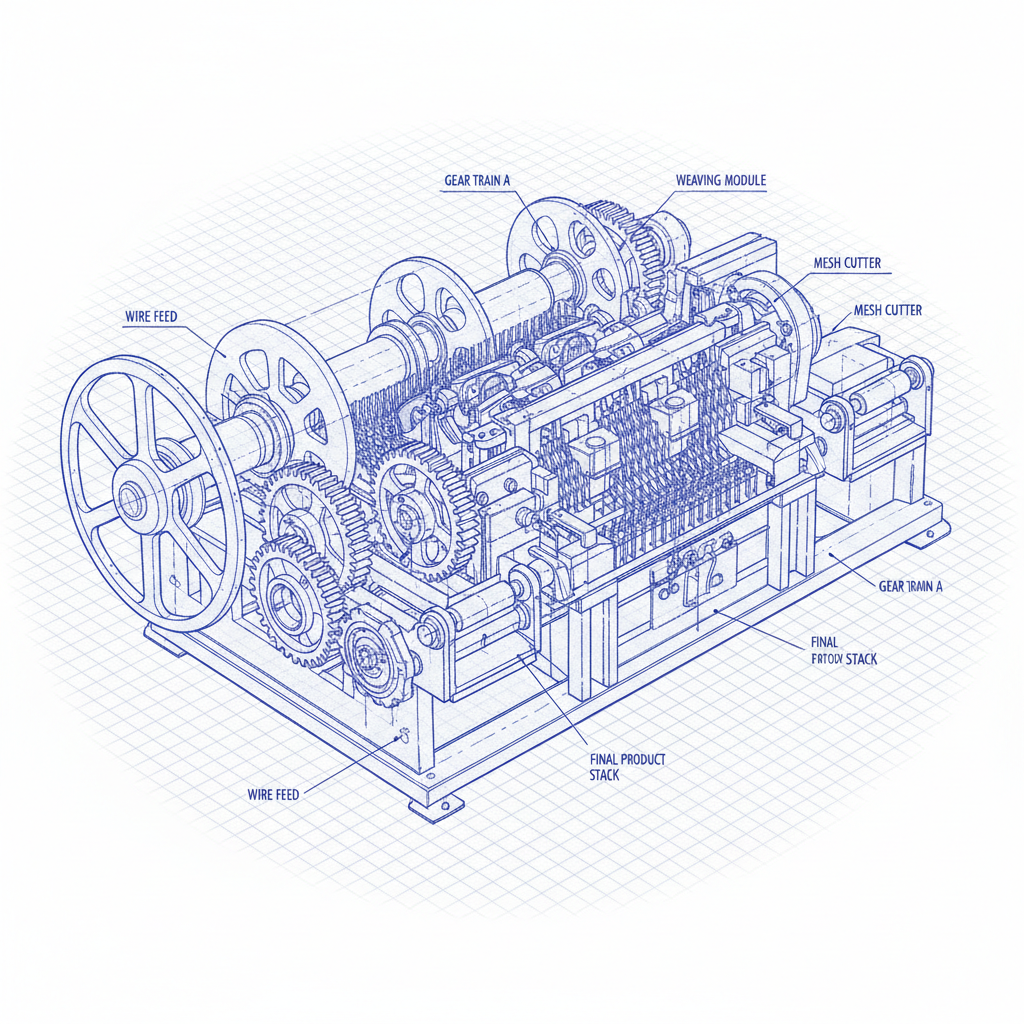
A complete chain link fence mesh production line consists of several key components working in synergy. These typically include an unwinding machine, wire drawing machine (if necessary), mesh weaving machine, edge winding machine, and a control system. The unwinding machine feeds the wire into the weaving machine. The mesh weaving machine is the heart of the line, forming the interlocking diamond pattern. The edge winding machine then rolls up the finished mesh into coils. Modern lines often incorporate automated control systems for precise operation and reduced labor costs. Choosing a reputable supplier like Mesh Machinery ensures high-quality components and reliable performance.
Chain link fence mesh production lines fall into two primary categories: manual and automatic. Manual lines require significant operator involvement for each step of the process, resulting in lower output and higher labor costs. Automatic lines, on the other hand, utilize automated machinery and control systems to streamline production. While the initial investment is higher, automatic lines offer increased efficiency, reduced labor requirements, and consistent product quality. Consider your production volume and budget when choosing between these options.
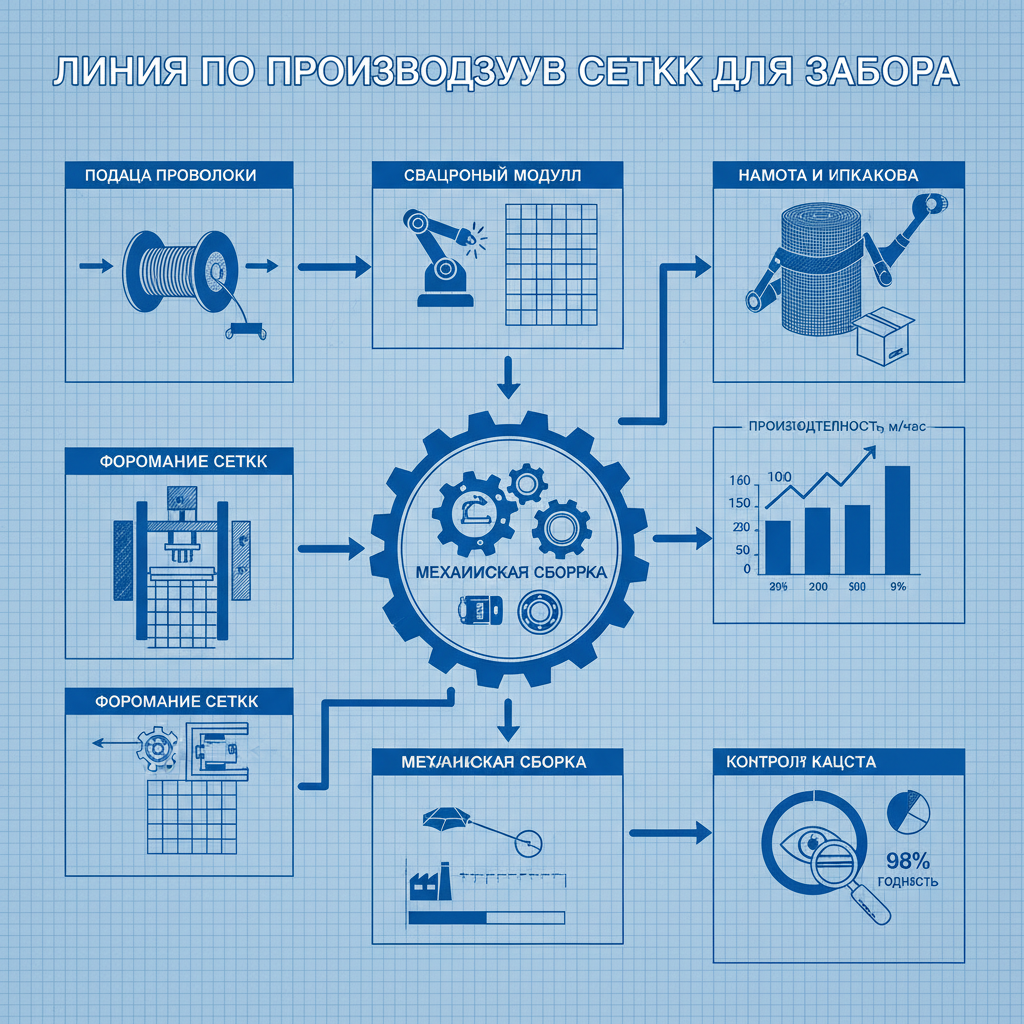
The cost of a chain link fence mesh production line can vary significantly depending on several factors. These include the level of automation (manual vs. automatic), production capacity, wire diameter, mesh size, and the supplier's reputation. Larger capacity lines with advanced automation features will naturally be more expensive. Furthermore, the quality of the components and the after-sales support provided by the supplier also play a role in the overall cost. Mesh Machinery offers competitive pricing and tailored solutions to meet diverse budgetary needs.
Here’s a comparison of different automatic production lines available, showcasing their specifications and expected performance. These details can help you identify a system that matches your specific needs.
The mesh produced by these lines has diverse applications across numerous industries. Common uses include agricultural fencing, industrial security fencing, residential privacy screens, animal enclosures, sports field barriers, and highway safety barriers. The versatility of chain link mesh makes it a popular choice for a wide range of containment and security needs. Mesh Machinery can advise on choosing the appropriate line configuration for your target market.
Investing in a chain link fence mesh production line is a significant step towards establishing or expanding your fencing business. Careful consideration of factors such as automation level, production capacity, and supplier reliability is crucial for maximizing your return on investment. Mesh Machinery provides comprehensive solutions and expert guidance to help you choose the perfect line for your specific needs.
Regular maintenance is crucial for ensuring optimal performance and longevity of your production line. This includes daily lubrication of moving parts, periodic inspection and replacement of worn components (such as bearings and belts), and cleaning of the machinery. It's also important to regularly check and adjust tension settings to maintain consistent mesh quality. Mesh Machinery provides detailed maintenance manuals and offers on-site maintenance services.
Most lines are designed to accommodate galvanized steel wire, PVC-coated wire, and stainless steel wire. The specific wire diameter and tensile strength that the line can handle will depend on the model and its capabilities. It's essential to verify compatibility with the supplier before using different wire materials. Using the incorrect wire type can damage the machinery and affect the quality of the finished mesh.
The ideal level of automation depends on your production volume, budget, and labor costs. If you have high production demands and want to minimize labor expenses, a fully automatic line is the best option. However, if you have lower production volumes or a limited budget, a semi-automatic or even manual line might be more suitable. Carefully assess your needs and consider the long-term cost savings of automation when making your decision. Mesh Machinery can assist you in evaluating your requirements and recommending the most appropriate solution.
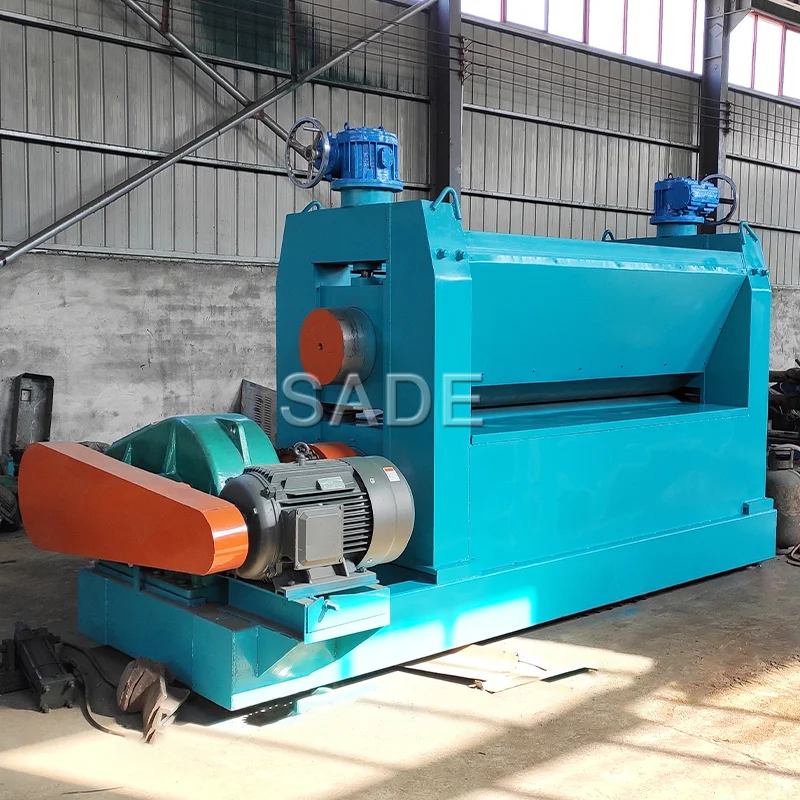
ZPJ Metal Mesh Flatting Machine
ZPJ metal mesh flatting machine is special designed for expanded metal flatting.It’s a corollary equipment of expanded metal machine. It can make expanded wire-mesh smoothly.And the flattened expanded metal have much more widely different applications.
Apr 24, 2026
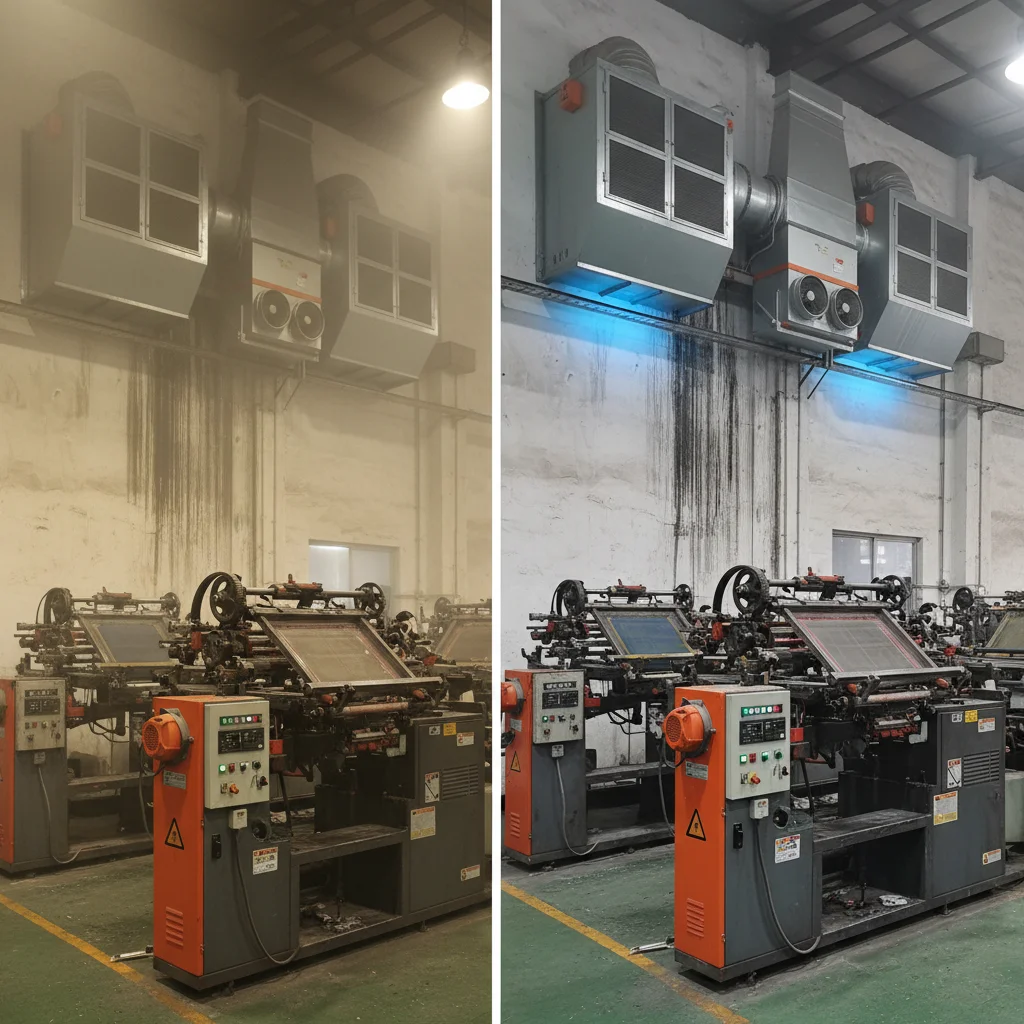
Industrial Wall Mounted Air Filtration for Clean Work Environments