Medical air filters are crucial components in maintaining sterile environments within healthcare facilities, playing a vital role in patient safety and infection control. The global demand for effective air filtration systems is steadily increasing, driven by factors like rising healthcare expenditure, a growing aging population susceptible to respiratory illnesses, and heightened awareness regarding indoor air quality. Understanding the nuances of medical air filter technology, from its core principles to its practical applications, is paramount for healthcare professionals, facility managers, and policymakers alike.
The increasing prevalence of airborne diseases, including influenza, tuberculosis, and now COVID-19, underscores the critical need for robust air filtration solutions. These filters aren’t merely about removing dust; they’re about capturing microscopic pathogens and particles that can compromise immune systems and hinder recovery. Investing in and deploying high-quality medical air filters is a proactive measure against healthcare-associated infections (HAIs), reducing morbidity and mortality rates.
The benefits extend beyond direct patient care. Effective medical air filters contribute to a healthier work environment for healthcare staff, minimizing their exposure to harmful airborne contaminants. This translates to reduced sick leave, increased productivity, and improved overall wellbeing within the healthcare system. Modern medical air filter technologies are evolving rapidly, offering enhanced performance and energy efficiency.
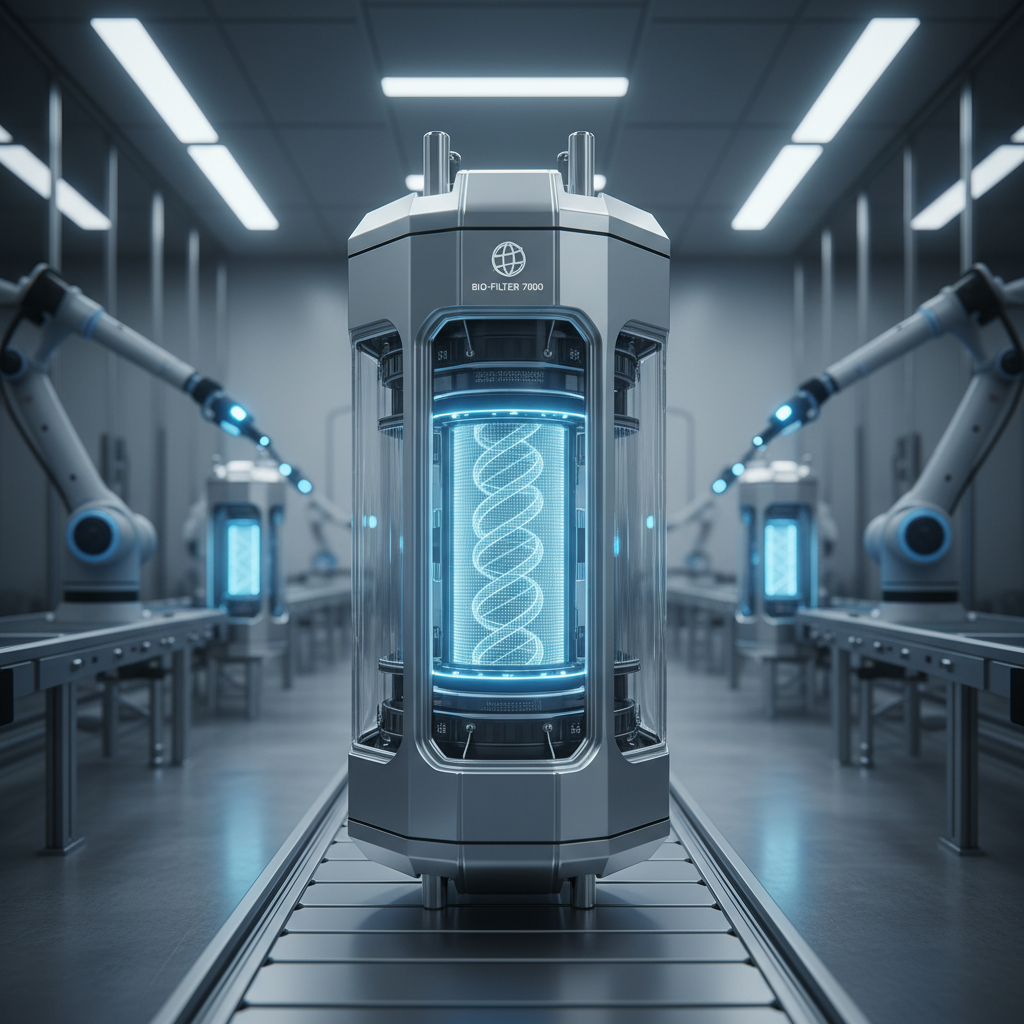
Introduction to Medical Air Filters
Medical air filters are specialized filtration systems designed to remove particulate matter, microorganisms, and volatile organic compounds (VOCs) from the air within healthcare settings. These filters are not simply standard air conditioning filters; they are engineered to meet stringent regulatory standards and provide a consistently high level of air purity, vital for protecting vulnerable patients. medical air filter technologies are continuously improving to address emerging airborne threats.
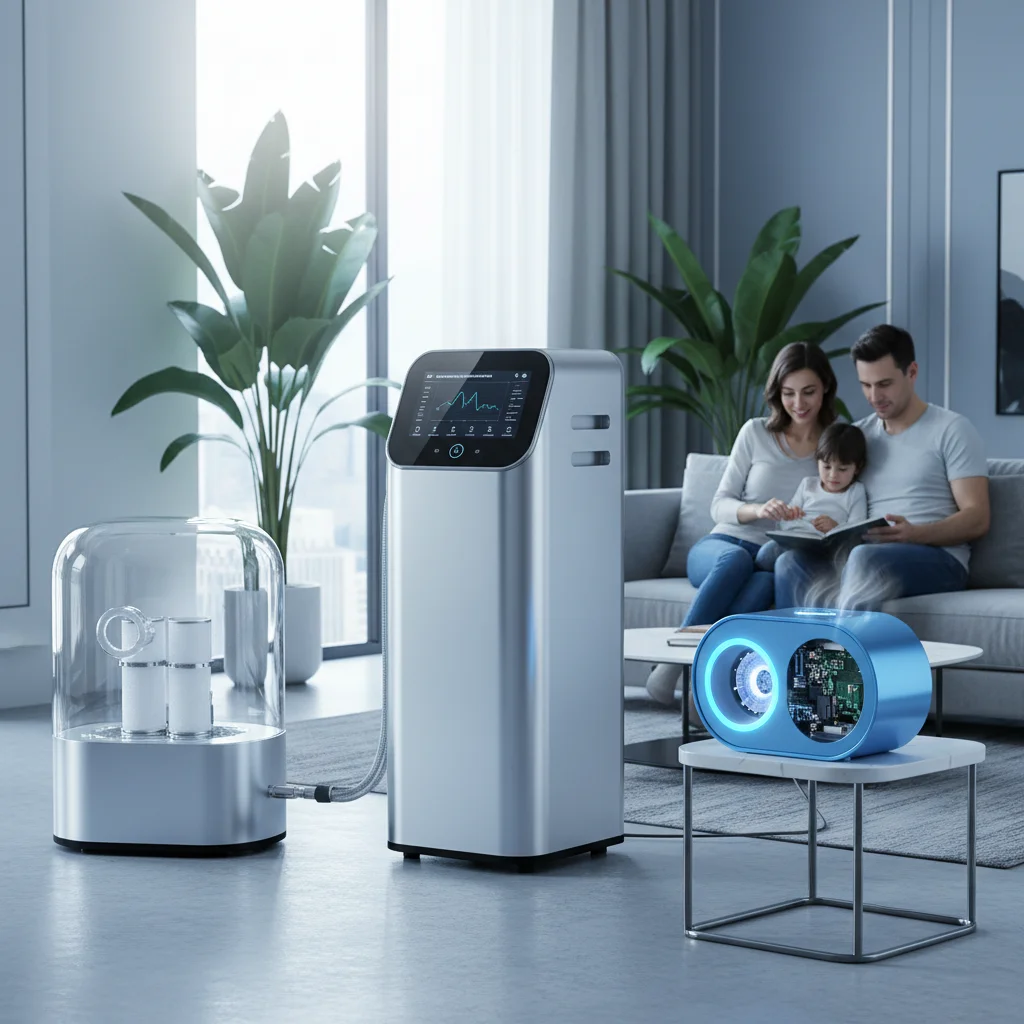
The effectiveness of a medical air filter directly impacts the quality of care delivered in hospitals, clinics, and laboratories. Proper air filtration reduces the risk of airborne infections, improves surgical outcomes, and protects immunocompromised individuals. A well-maintained system demonstrates a commitment to patient safety and a proactive approach to infection prevention, contributing to a positive healthcare environment.
Defining Medical Air Filters
A medical air filter is a device engineered to remove contaminants from the air supply in healthcare facilities. These contaminants can include bacteria, viruses, fungi, dust, pollen, and other particulate matter. Unlike general-purpose air filters, medical air filters are specifically designed and tested to meet the stringent requirements of healthcare environments, ensuring they effectively capture and retain harmful airborne particles.
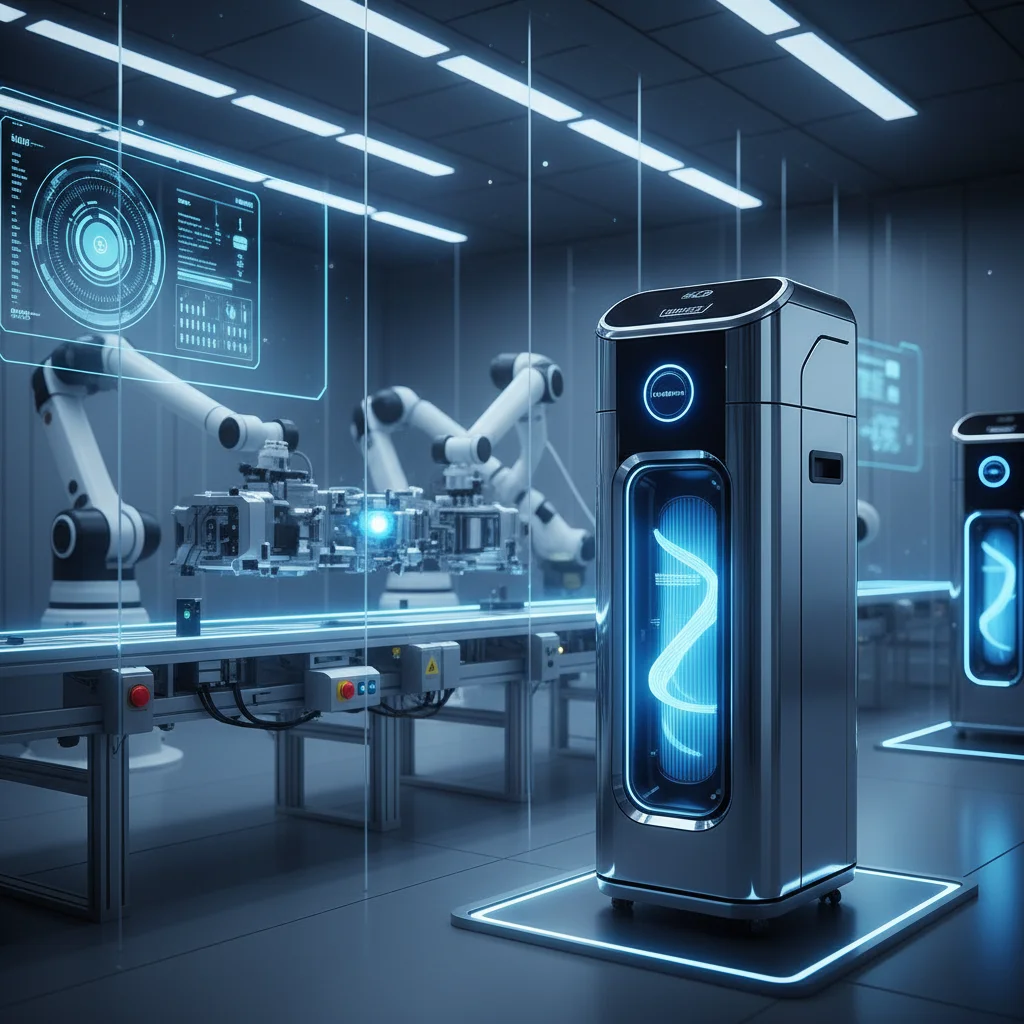
The connection to modern industry stems from advancements in materials science and engineering. High-efficiency particulate air (HEPA) filters, a cornerstone of medical air filtration, were originally developed for the Manhattan Project. Today, these filters and their more advanced counterparts, like ULPA filters, are crucial in maintaining sterile conditions in operating rooms, intensive care units, and pharmaceutical manufacturing facilities.
These filters directly address humanitarian needs by providing safe and clean air in disaster relief situations, field hospitals, and areas with compromised air quality. A reliable medical air filter system can be life-saving in such scenarios, preventing the spread of infectious diseases and protecting vulnerable populations.
Core Components of Medical Air Filter Systems
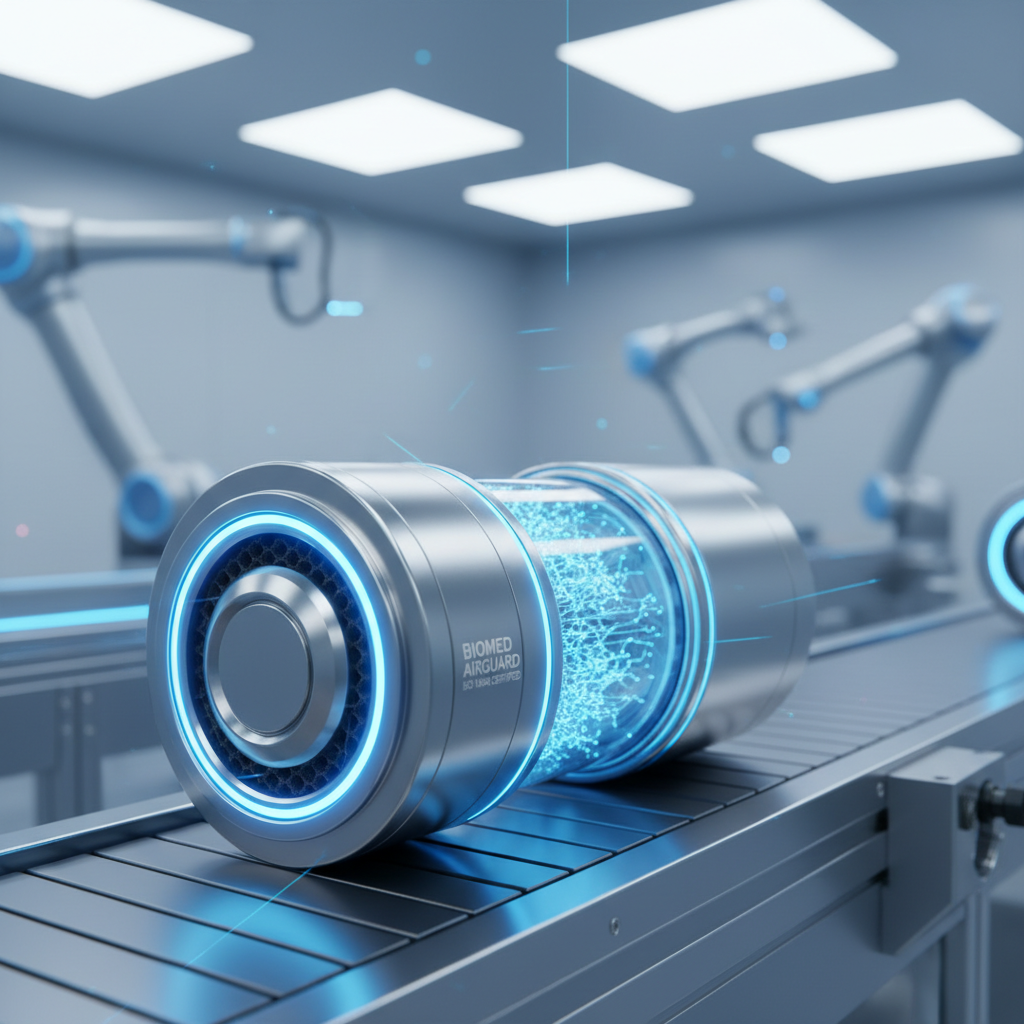
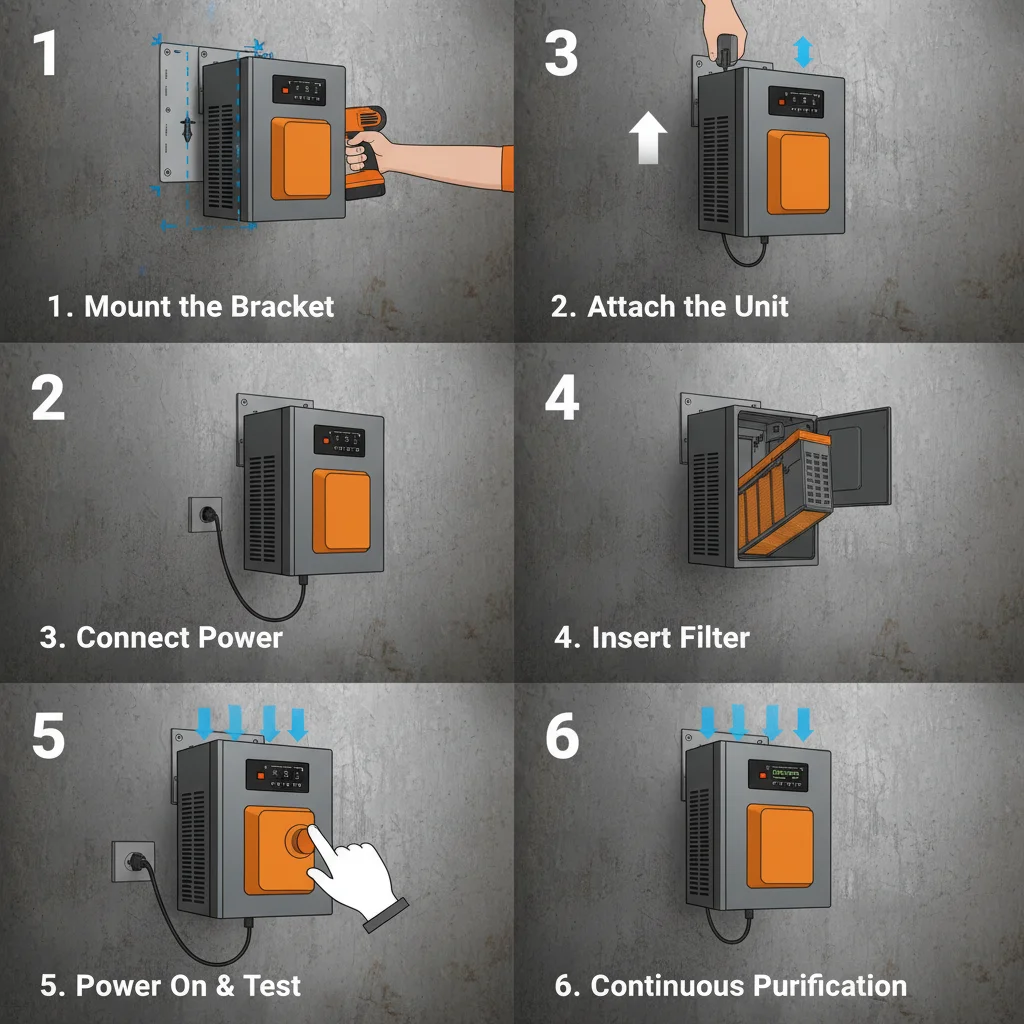
Medical air filter systems are not just about the filter itself. A complete system comprises several key components working in concert. These include the pre-filter, which captures larger particles and extends the life of the main filter; the primary filter, typically a HEPA or ULPA filter, responsible for removing microscopic contaminants; the airflow system, ensuring consistent and efficient air circulation; and the monitoring system, which tracks filter performance and alerts staff to maintenance needs.
The filter media itself is the heart of the system. HEPA filters, composed of a mat of randomly arranged fibers, capture at least 99.97% of particles 0.3 microns in diameter. ULPA filters offer even higher efficiency, removing 99.999% of particles of the same size. The material used—typically fiberglass, polypropylene, or a combination thereof—influences the filter's efficiency, durability, and resistance to moisture.
Furthermore, the system's housing and seals are crucial. Any gaps or leaks can compromise the filter's effectiveness, allowing contaminated air to bypass the filtration process. Regular inspection and maintenance of all components are therefore essential to ensure optimal performance and continued protection.
Key Performance Factors for Medical Air Filters
Evaluating the performance of a medical air filter requires considering several crucial factors. Filtration efficiency, measured by the Minimum Efficiency Reporting Value (MERV) rating, indicates the filter's ability to capture particles of varying sizes. A higher MERV rating signifies greater efficiency, but also potentially increased airflow resistance.
Airflow resistance is another vital consideration. A filter with excessive resistance can strain the HVAC system, reducing its overall efficiency and increasing energy consumption. Maintaining an optimal balance between filtration efficiency and airflow resistance is key to achieving cost-effective and reliable air purification.
Medical Air Filter Performance Comparison
Global Applications of Medical Air Filters
Medical air filters are indispensable across a broad spectrum of healthcare settings globally. Operating rooms rely on them to maintain sterility during surgical procedures, minimizing the risk of post-operative infections. Intensive care units (ICUs), where patients are particularly vulnerable, utilize advanced filtration systems to protect against airborne pathogens.
In post-disaster relief operations, portable medical air filtration units are deployed to create safe and clean environments in field hospitals and temporary healthcare facilities. They are also crucial in pharmaceutical manufacturing plants, ensuring the purity of products and preventing contamination. Furthermore, many laboratories utilize medical air filter systems for sensitive research and diagnostic procedures.
Advantages and Long-Term Value
The advantages of implementing effective medical air filter systems are multifaceted. Tangible benefits include reduced healthcare-associated infection rates, leading to lower treatment costs and improved patient outcomes. The longevity and durability of modern filters, coupled with optimized energy efficiency, translate into long-term cost savings.
Beyond the financial aspects, there’s a significant social impact. Clean air promotes a healthier and safer environment for both patients and healthcare workers, fostering trust and confidence in the healthcare system. Investing in high-quality air filtration demonstrates a commitment to patient wellbeing and ethical healthcare practices.
Future Trends in Medical Air Filter Technology
The future of medical air filter technology is poised for significant advancements. Innovations in nanomaterials and advanced filter media are driving the development of filters with even higher efficiency and lower airflow resistance. Smart filtration systems, incorporating sensors and data analytics, will enable real-time monitoring of air quality and predictive maintenance.
There's a growing emphasis on sustainability, with manufacturers exploring biodegradable and recyclable filter materials. Furthermore, integration with building management systems (BMS) and the Internet of Things (IoT) will enable remote monitoring and control of air filtration systems, optimizing performance and reducing energy consumption. These trends will solidify the role of medical air filter technology in safeguarding public health.
The integration of UV-C disinfection technology with filtration systems is also gaining traction, providing an additional layer of protection against airborne pathogens. Expect to see wider adoption of these hybrid systems in the coming years, especially in high-risk healthcare environments.
FAQS
HEPA (High-Efficiency Particulate Air) filters capture at least 99.97% of particles 0.3 microns in diameter, while ULPA (Ultra-Low Penetration Air) filters capture at least 99.999% of particles of the same size. ULPA filters offer significantly higher efficiency, making them ideal for applications requiring the highest levels of air purity, such as semiconductor manufacturing and critical medical procedures.
The replacement frequency of medical air filters depends on several factors, including the filter type, the level of air contamination, and the system’s usage. Generally, pre-filters should be replaced every 3-6 months, while HEPA and ULPA filters may last 1-3 years. Regular monitoring of filter pressure drop is crucial to determine when replacement is necessary.
Hospital operating rooms typically require filters with a MERV rating of 17 or higher, often utilizing HEPA filters (MERV 17-20). These filters ensure the removal of even the smallest airborne particles, maintaining a sterile environment essential for surgical procedures.
Yes, medical air filters, particularly HEPA and ULPA filters, can effectively remove viruses. Viruses are typically attached to larger particles, such as droplets or dust, which are captured by the filter. However, filter efficiency depends on particle size, air flow rate and filter integrity.
While the initial cost of high-efficiency medical air filters can be significant, their long-term operating costs can be managed through proper maintenance and filter selection. Choosing filters with lower airflow resistance and implementing a regular replacement schedule can minimize energy consumption and maximize filter lifespan.
Pre-filters play a vital role in extending the lifespan of the more expensive HEPA or ULPA filters. By capturing larger particles, such as dust and pollen, pre-filters prevent premature clogging of the primary filter, reducing the frequency of replacements and lowering overall maintenance costs.
Conclusion
Medical air filters are an essential component of modern healthcare, playing a critical role in protecting patients, healthcare workers, and the broader community from airborne threats. From maintaining sterile operating rooms to providing safe air in disaster relief situations, these systems are indispensable for ensuring a healthy and safe environment. Continuous innovation in filter technology and a growing emphasis on sustainability will further enhance their effectiveness and reduce their environmental impact.
Investing in high-quality medical air filtration is not merely a cost, but a proactive investment in public health and patient safety. Healthcare facilities should prioritize regular maintenance, filter replacement, and ongoing evaluation of their air filtration systems to ensure optimal performance and compliance with regulatory standards. For cutting-edge medical air filter solutions, visit our website today.