
February 05, 2026
The demand for barbed wire remains consistently high across various sectors, including agriculture, security, and construction. For businesses looking to capitalize on this demand, investing in an automatic barbed wire making machine is a crucial step. This article delves into the factors influencing the price of automatic barbed wire making machines, explores different types available, and provides insights to help you make an informed purchasing decision. Understanding the market and your specific requirements is key to securing a cost-effective and high-performing machine.
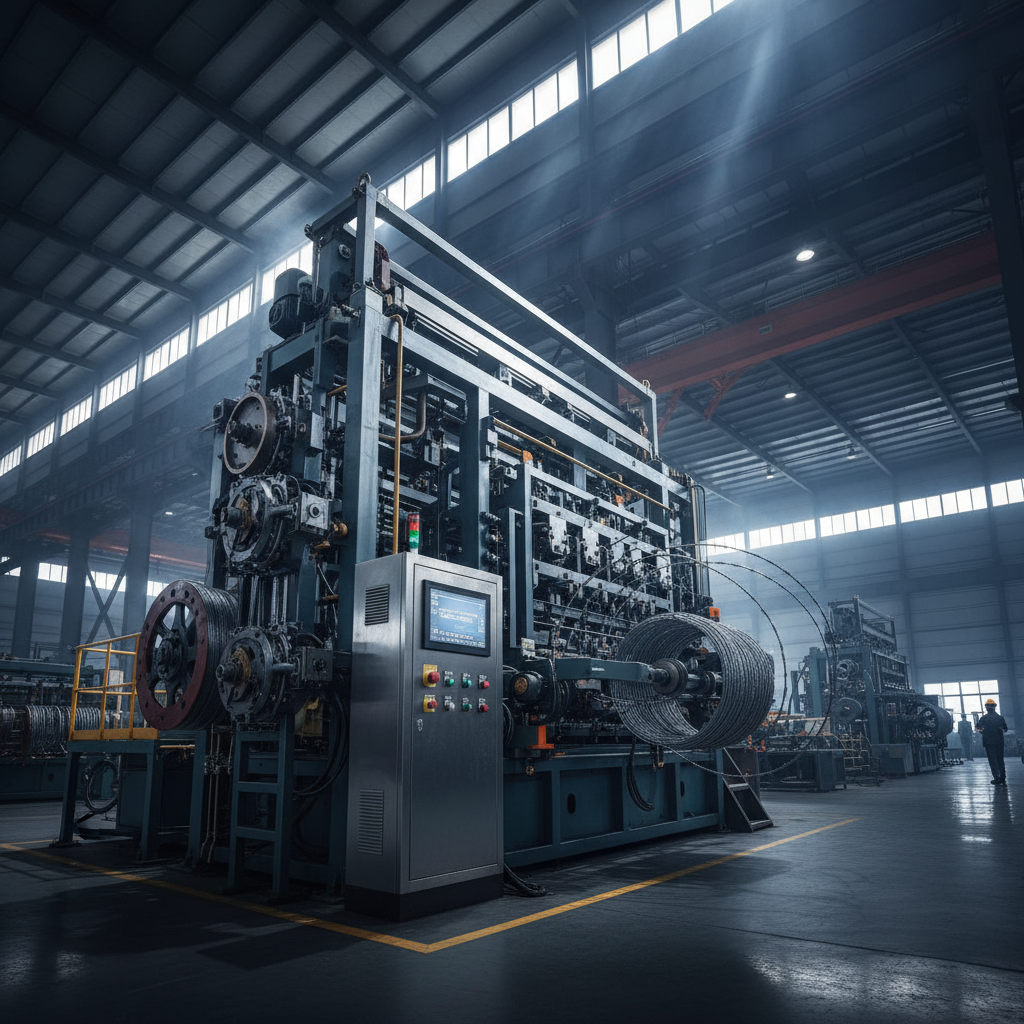
Several factors contribute to the overall price of an automatic barbed wire making machine. The degree of automation is a primary driver; fully automatic machines, capable of handling the entire production process from wire feeding to coiling, typically command a higher price than semi-automatic models. The production capacity, measured in tons per hour, also plays a significant role. Machines with higher output capabilities are naturally more expensive. Furthermore, the quality of the materials used in construction (steel grade, motor brand, etc.), the manufacturer's reputation, and the inclusion of advanced features such as automatic tension control and fault detection systems all impact the price. Finally, geographical location and shipping costs can add to the total expense.
Key Considerations: The degree of automation, production capacity, material quality, manufacturer's reputation, and advanced features all directly influence the price of barbed wire making machines.
The market offers a variety of automatic barbed wire making machines, each catering to different production needs and budgets. Mesh Machinery offers a wide range. Typically, these fall into three main categories: low-speed, medium-speed, and high-speed. Low-speed machines are suitable for smaller-scale operations and have a lower initial investment. Medium-speed machines offer a balance between production capacity and cost, making them a popular choice for many businesses. High-speed machines are designed for large-scale production and require a significant capital outlay. Here’s a general price overview:
Selecting the right machine involves a careful comparison of key features. Consider factors like the wire diameter range the machine can handle, the type of core wire it supports, and the accuracy of the barb spacing. Machines with automatic fault detection systems can minimize downtime and reduce maintenance costs. Evaluate the ease of operation and the availability of technical support from the manufacturer. Mesh Machinery offers machines with user-friendly interfaces and comprehensive after-sales service.
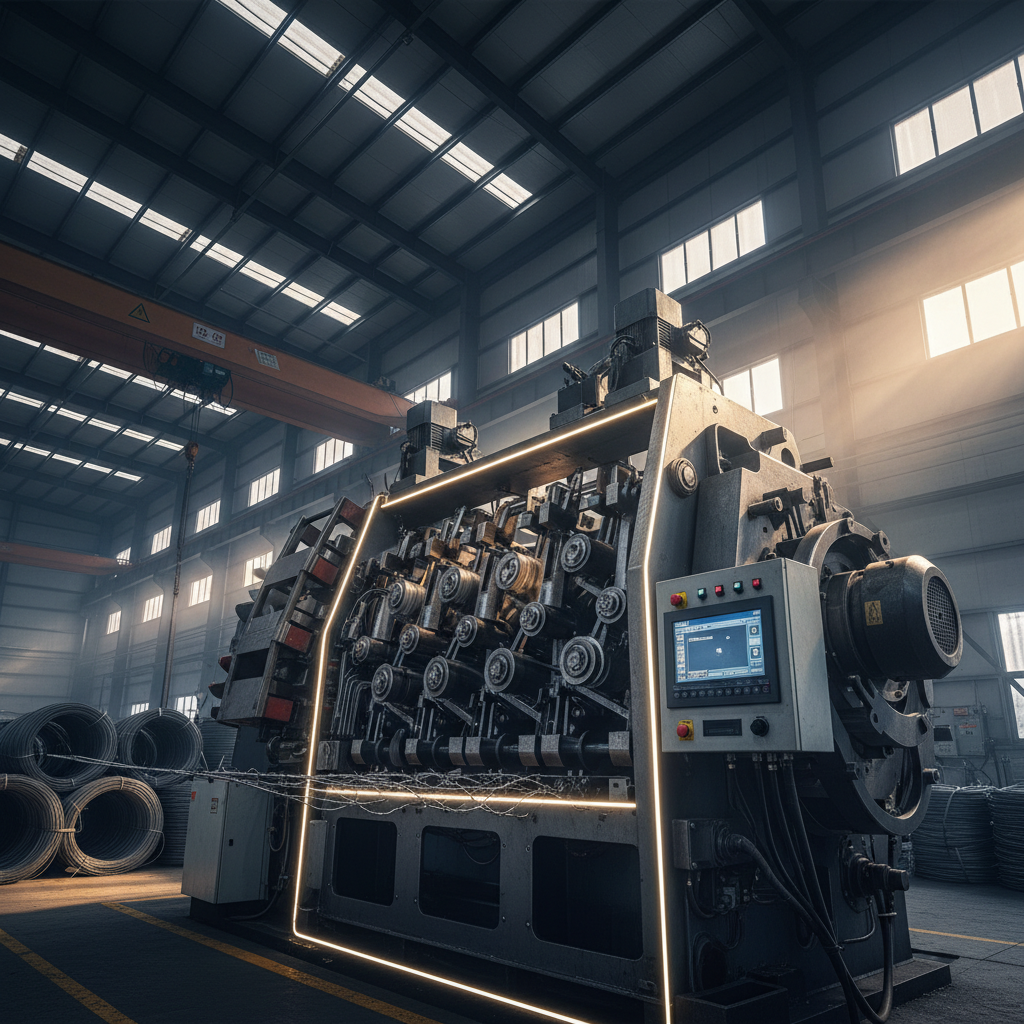
While the initial purchase price is important, don’t overlook long-term cost considerations. Energy efficiency, maintenance requirements, and the availability of spare parts all contribute to the total cost of ownership. Opting for a machine with robust construction and high-quality components can minimize downtime and reduce repair expenses. Investing in a machine from a reputable manufacturer ensures access to reliable technical support and readily available spare parts. A well-maintained machine will deliver consistent performance and maximize your return on investment.
Many manufacturers, including Mesh Machinery, offer customization options to tailor the machine to your specific needs. This might include modifications to the wire feeding system, adjustments to the barb spacing, or integration of specific control systems. While customization can increase the initial cost, it can ultimately lead to greater efficiency and productivity. Carefully consider your unique requirements and discuss customization options with the manufacturer to find the optimal solution.
Investing in an automatic barbed wire making machine is a significant decision. Understanding the factors that influence the price, carefully evaluating your production needs, and choosing a reputable manufacturer are essential for success. By making an informed choice, you can secure a machine that delivers reliable performance, maximizes your return on investment, and helps you meet the growing demand for barbed wire.
The lead time can vary depending on the manufacturer and the complexity of the machine. Generally, it ranges from 30 to 90 days. Machines with customized features or high demand may have longer lead times. It's crucial to inquire about the lead time upfront to ensure it aligns with your production schedule. Mesh Machinery strives to provide accurate lead time estimates and efficient delivery processes.
Reputable manufacturers typically provide comprehensive training for your operators, covering machine operation, maintenance, and troubleshooting. They also offer ongoing technical support, including phone support, online resources, and potentially on-site service. Mesh Machinery provides detailed training manuals, video tutorials, and dedicated support personnel to ensure you get the most out of your investment.
Power consumption varies depending on the machine’s size and production capacity. Smaller, low-speed machines generally require less power than high-speed models. Manufacturers typically provide specifications on the required voltage, amperage, and kilowatt usage. Consider the energy costs in your region when evaluating the long-term operating expenses of the machine.
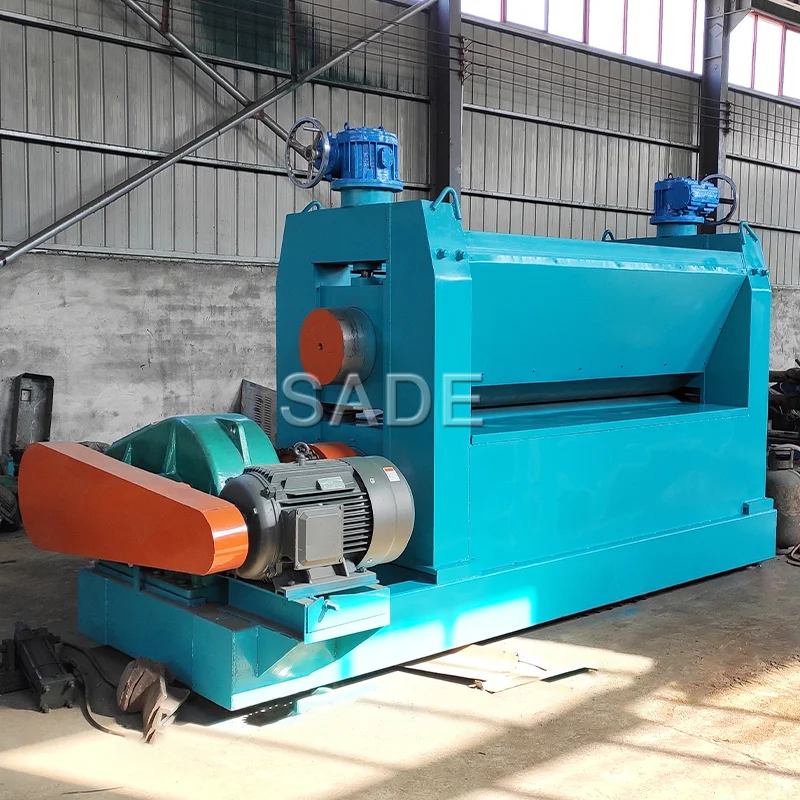
ZPJ Metal Mesh Flatting Machine
ZPJ metal mesh flatting machine is special designed for expanded metal flatting.It’s a corollary equipment of expanded metal machine. It can make expanded wire-mesh smoothly.And the flattened expanded metal have much more widely different applications.
Apr 24, 2026
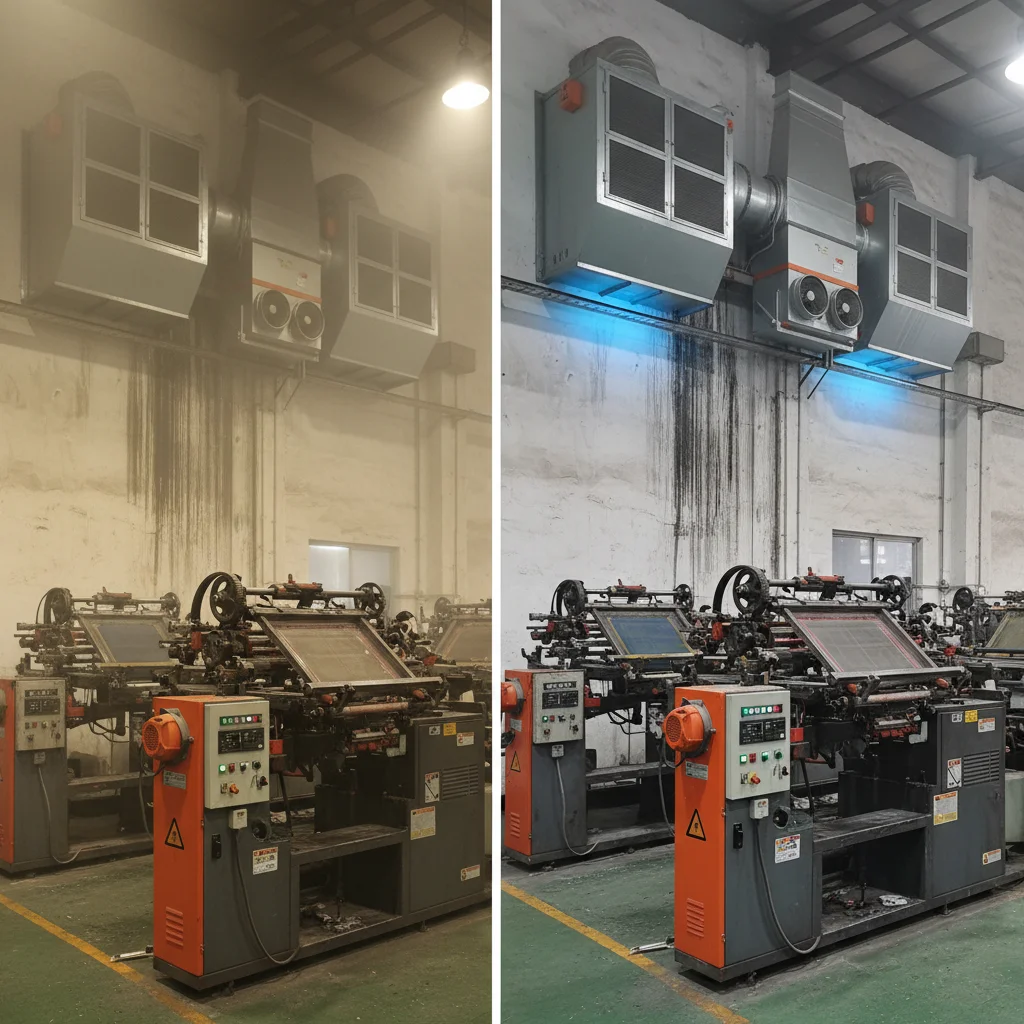
Industrial Wall Mounted Air Filtration for Clean Work Environments