
February 03, 2026
In the realm of perimeter security, agricultural fencing, and animal containment, barbed wire remains a crucial material. The demand for efficient and high-quality barbed wire production has led to the development of sophisticated automatic barbed wire making machines. This article provides an in-depth look at these machines, exploring their functionalities, benefits, applications, and the factors to consider when making a purchase. We will cover everything from the core components to the latest technological advancements, equipping you with the knowledge to optimize your barbed wire manufacturing process.
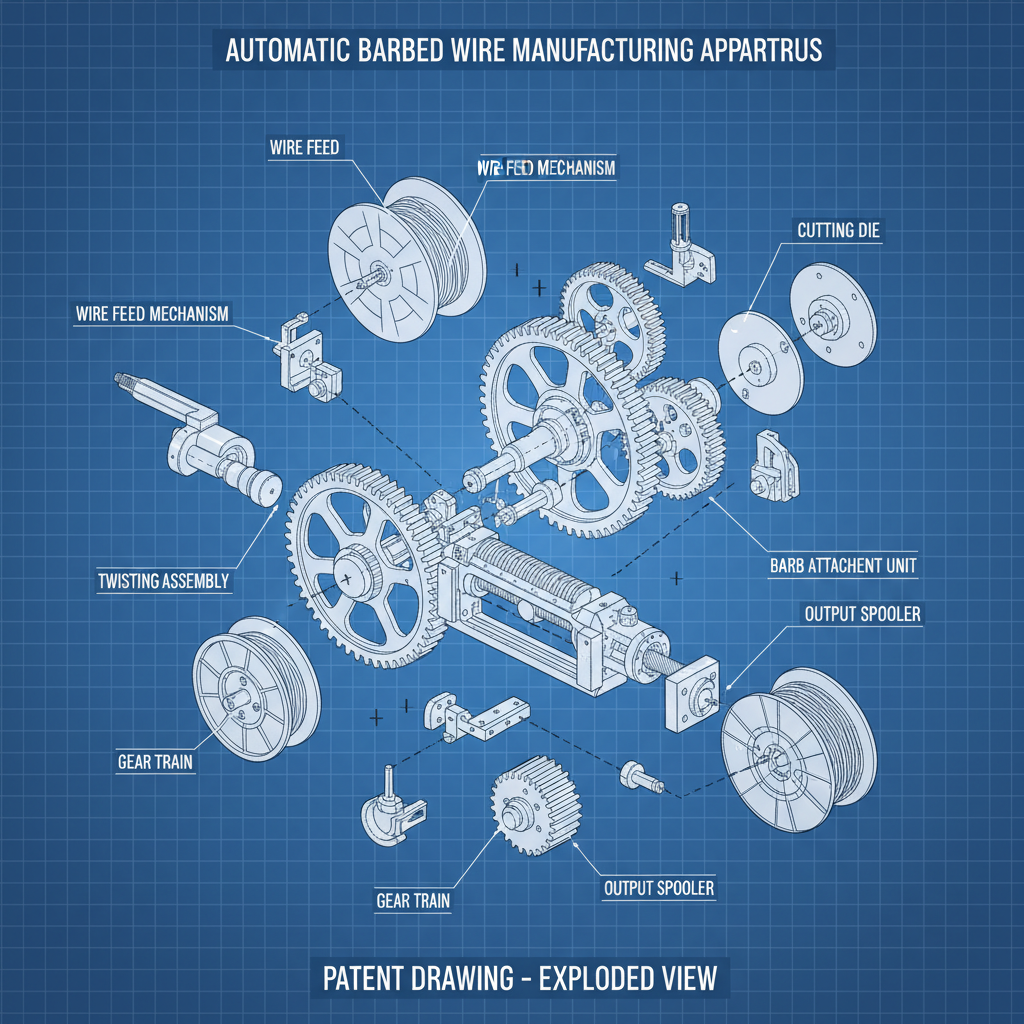
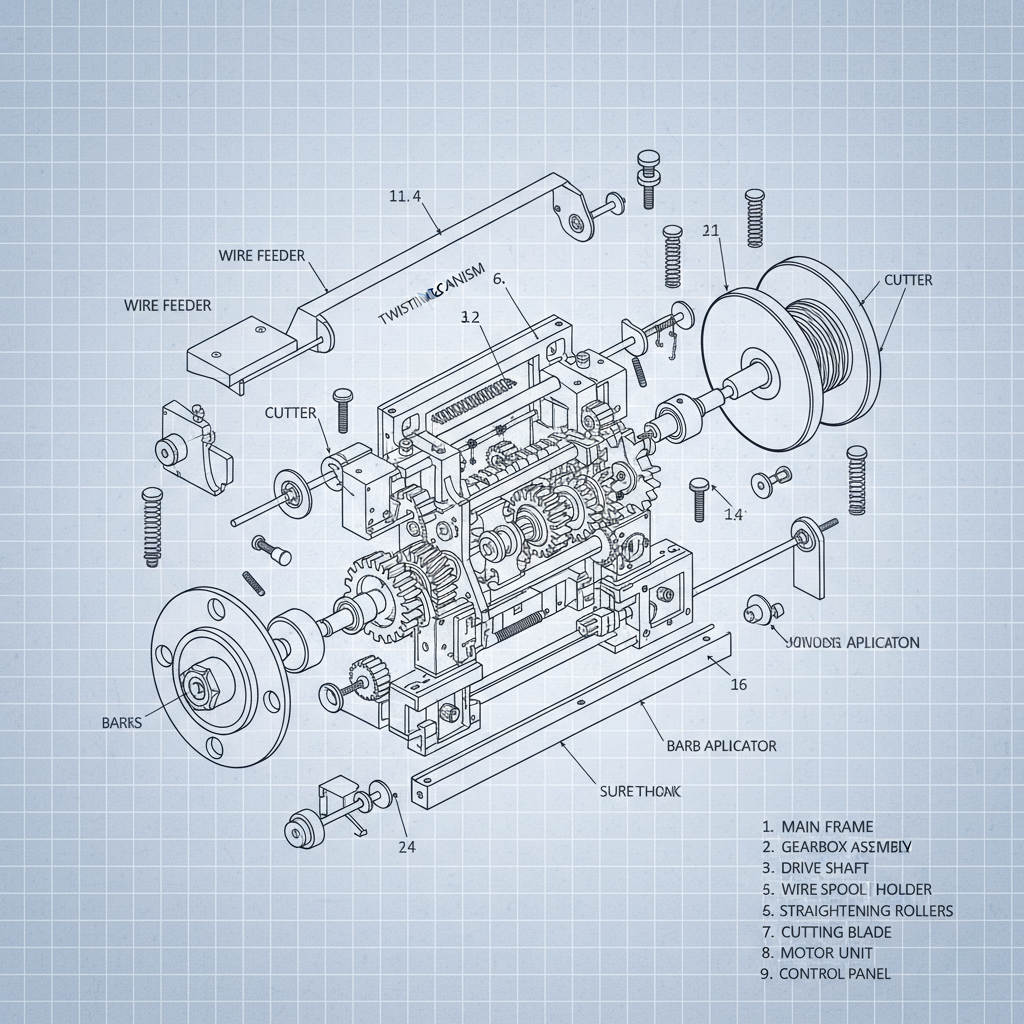
An automatic barbed wire making machine is engineered to continuously produce barbed wire from raw materials—typically high-tensile steel wire. These machines automate several key processes, including wire drawing, blade cutting, winding, and spooling. Compared to manual production, automation significantly increases output, reduces labor costs, and ensures consistent quality. The core components generally include a wire feeding system, a blade cutting mechanism, a winding drum, a tension control system, and a control panel. Modern machines often incorporate PLC (Programmable Logic Controller) systems for precise control and monitoring of the production process. Choosing the right machine is crucial for meeting specific production requirements and maintaining a competitive edge.
Key Benefits: Increased production efficiency, reduced labor costs, consistent product quality, minimal material waste, and enhanced safety.
The production process begins with feeding high-tensile steel wire into the machine. The wire then passes through a series of rollers and dies to achieve the desired diameter. Simultaneously, blades are precisely cut and attached to the wire at predetermined intervals. The barbed wire is then wound onto spools or coils, with tension carefully controlled to ensure uniform spacing of the barbs and consistent wire thickness. The machine's control system allows for adjustments to barb spacing, wire diameter, and coil size, offering flexibility to produce different types of barbed wire based on market demand. A final quality check is often integrated into the process to identify and remove any defective products.
Process Highlights:
• Wire Feeding & Drawing
• Blade Cutting & Attachment
• Precise Tension Control
• Automatic Winding & Coiling
Choosing the right automatic barbed wire machine requires careful consideration of its specifications. Key features include processing capacity (tons/day), wire diameter range, barb type (two-strand, four-strand), degree of automation, power requirements, and machine dimensions. PLC control systems are becoming increasingly common, enabling precise parameter adjustments and remote monitoring. The quality of the blades and their durability also play a crucial role in production efficiency and product quality. A well-designed machine should also incorporate safety features such as emergency stop buttons and protective enclosures.
Barbed wire finds widespread applications across numerous sectors. It's commonly used in agricultural fencing to contain livestock, in perimeter security systems for residential, commercial, and industrial properties, and in military applications for border control and defense. The demand for barbed wire remains strong due to its effectiveness, affordability, and ease of installation. Consequently, the need for efficient and reliable barbed wire making machines is consistently high. Manufacturers serving these industries rely on these machines to meet growing market demands and maintain a competitive advantage.
Selecting a reputable supplier is paramount. Look for companies with a proven track record, a comprehensive product range, and a strong commitment to customer support. Factors to consider include machine quality, price, delivery time, installation services, and after-sales support. Mesh Machinery offers a wide array of automatic barbed wire making machines, coupled with expert technical assistance and reliable after-sales service, ensuring a seamless manufacturing experience. Prioritize suppliers who can provide customized solutions tailored to your specific production needs.
Investing in an automatic barbed wire making machine is a strategic move for businesses looking to enhance their production capabilities, reduce costs, and improve product quality. By carefully considering your specific needs and choosing a reliable supplier like Mesh Machinery, you can ensure a successful and profitable venture. Embrace automation to stay competitive in the dynamic barbed wire market.
The payback period varies depending on production volume, labor costs, and the efficiency of the machine. However, generally, an automatic barbed wire machine can pay for itself within 1-3 years. The increased production capacity and reduced labor costs quickly offset the initial investment. The specific return on investment (ROI) can be calculated based on your individual business circumstances and production goals. Consider factors like wire price fluctuations and market demand when estimating the payback period.
Automatic barbed wire machines require regular maintenance to ensure optimal performance and longevity. This includes lubricating moving parts, inspecting and replacing worn blades, cleaning the machine, and checking the tension control system. A detailed maintenance schedule is typically provided by the manufacturer. Preventive maintenance can significantly reduce downtime and extend the machine's lifespan. Skilled technicians should be employed to perform more complex maintenance tasks.
Most automatic barbed wire making machines are designed to handle a variety of high-tensile steel wires. However, it's crucial to specify the type of wire you plan to use when purchasing the machine. Factors like wire diameter, tensile strength, and surface coating can affect performance. Some machines may require adjustments or specific tooling to accommodate different wire types. Mesh Machinery can provide guidance on selecting a machine compatible with your desired wire specifications.
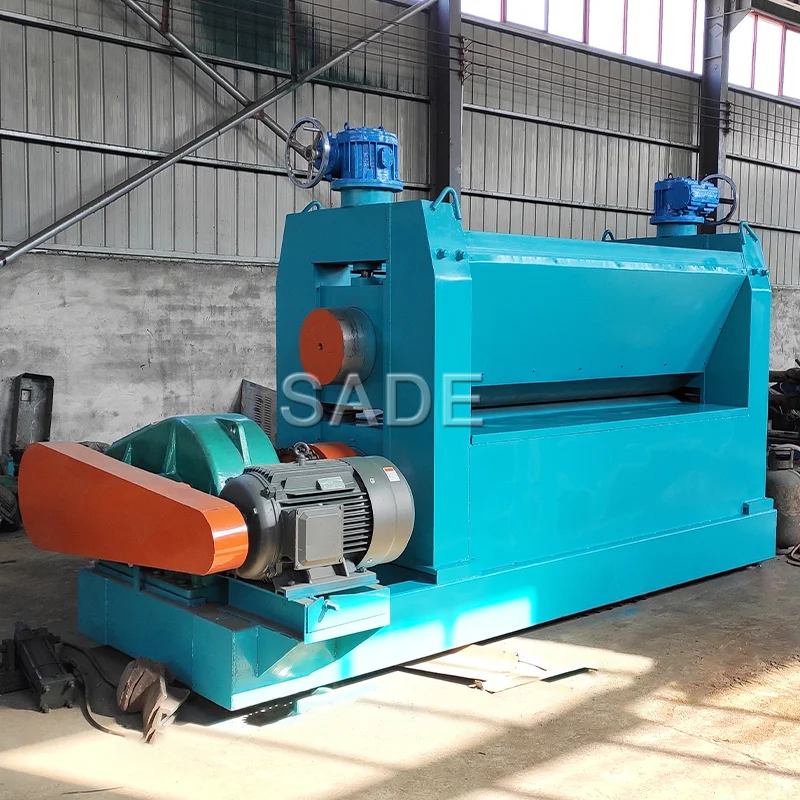
ZPJ Metal Mesh Flatting Machine
ZPJ metal mesh flatting machine is special designed for expanded metal flatting.It’s a corollary equipment of expanded metal machine. It can make expanded wire-mesh smoothly.And the flattened expanded metal have much more widely different applications.
Apr 24, 2026
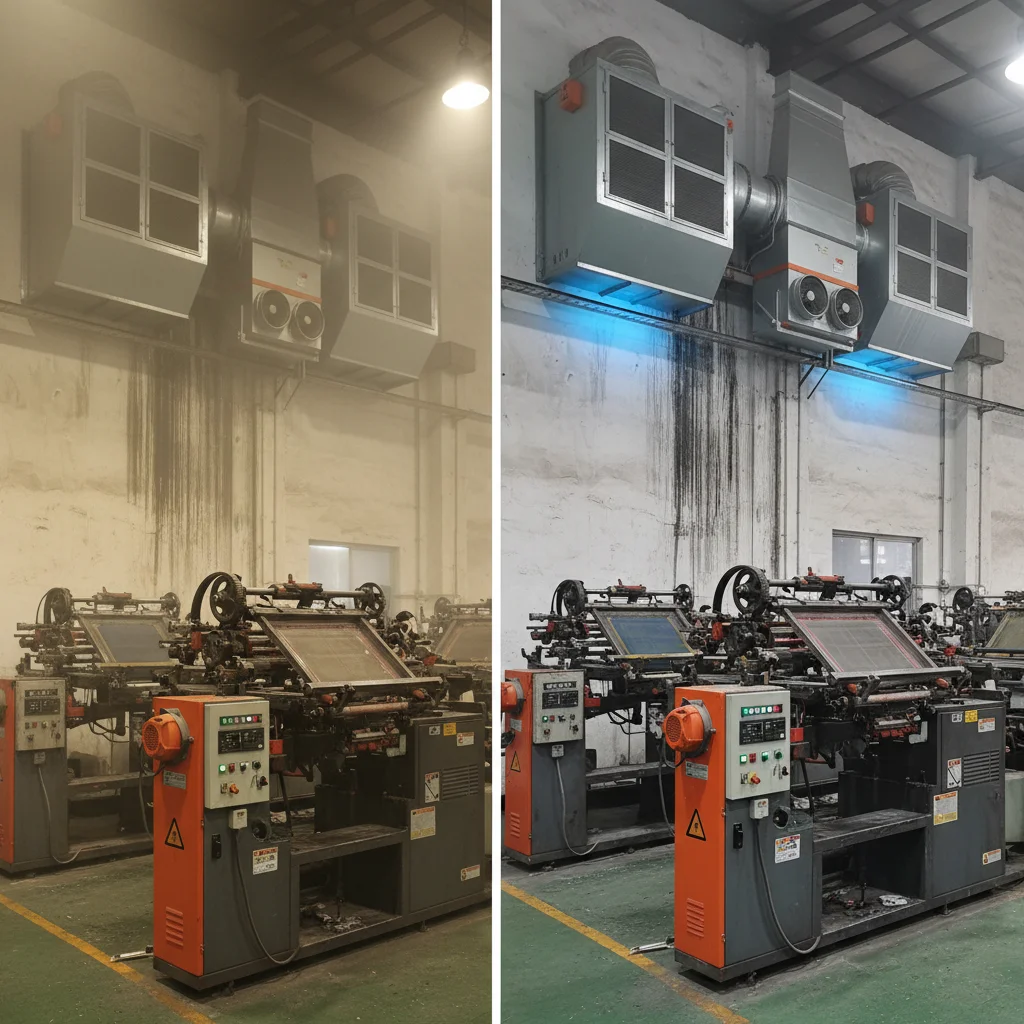
Industrial Wall Mounted Air Filtration for Clean Work Environments