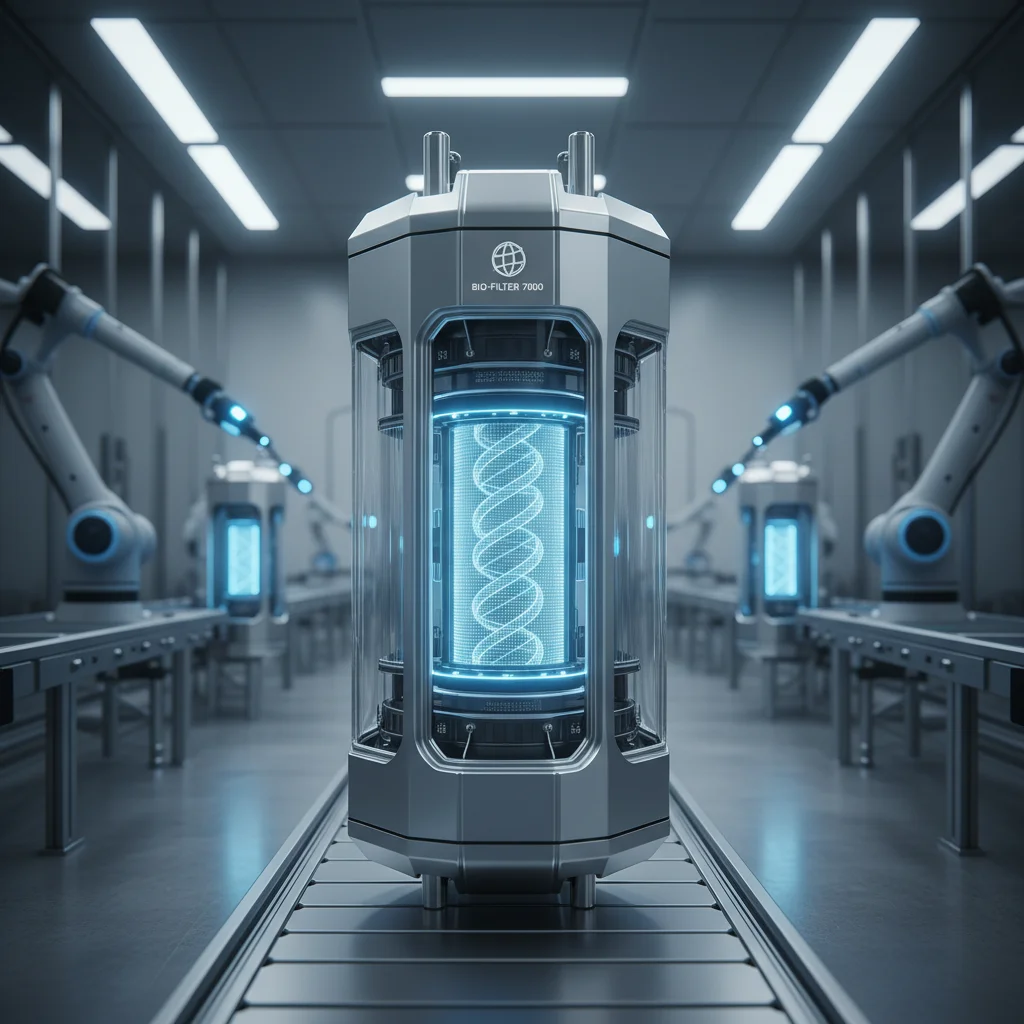
You know, I've been running around construction sites for nearly 20 years. Seen a lot of stuff come and go. Lately, everyone’s obsessed with prefabrication, modular stuff, trying to build more offsite. It's a good trend, really, cuts down on waste, speeds things up… supposed to, anyway. But honestly, the details are what kill you.
It's all about efficiency, right? Fewer guys on site, faster turnaround. But that means everything has to fit perfectly. You wouldn't believe the headaches I've seen from a slightly off tolerance. Last year, at that new data center in Beijing… forget it, I don't want to relive that.
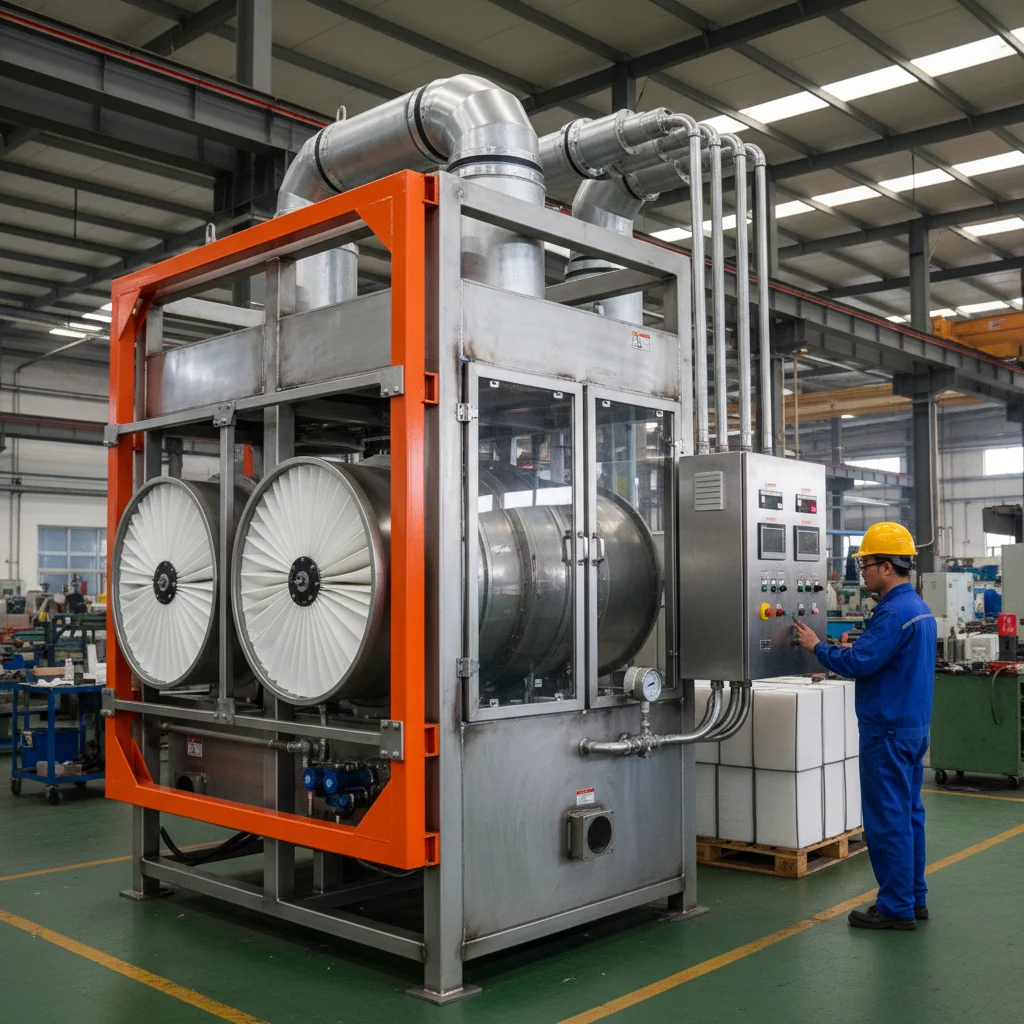
Anyway, we're talking nitrogen generators, specifically for factories. More and more folks are realizing it's cheaper and cleaner than buying liquid nitrogen or relying on those bulky tanks. Been seeing a huge uptick in demand.
The Current Landscape of Nitrogen Generator Factories
To be honest, the market is getting crowded. A lot of small workshops popping up, churning out units. Quality varies wildly, though. You've got the big players from Europe and the US, built to last, but pricey. Then you have the Chinese manufacturers… some are fantastic, some are… well, let’s just say you get what you pay for. I saw one last month in a semiconductor factory—it sounded like a jet engine. No bueno.
Have you noticed how everyone wants 'plug and play'? They don't want to deal with complicated installation or maintenance. That's driving a lot of the design. Factories want to get up and running now, not spend a week messing with pipes and filters. It also means the factories need to build more testing into the final design.
Common Design Pitfalls
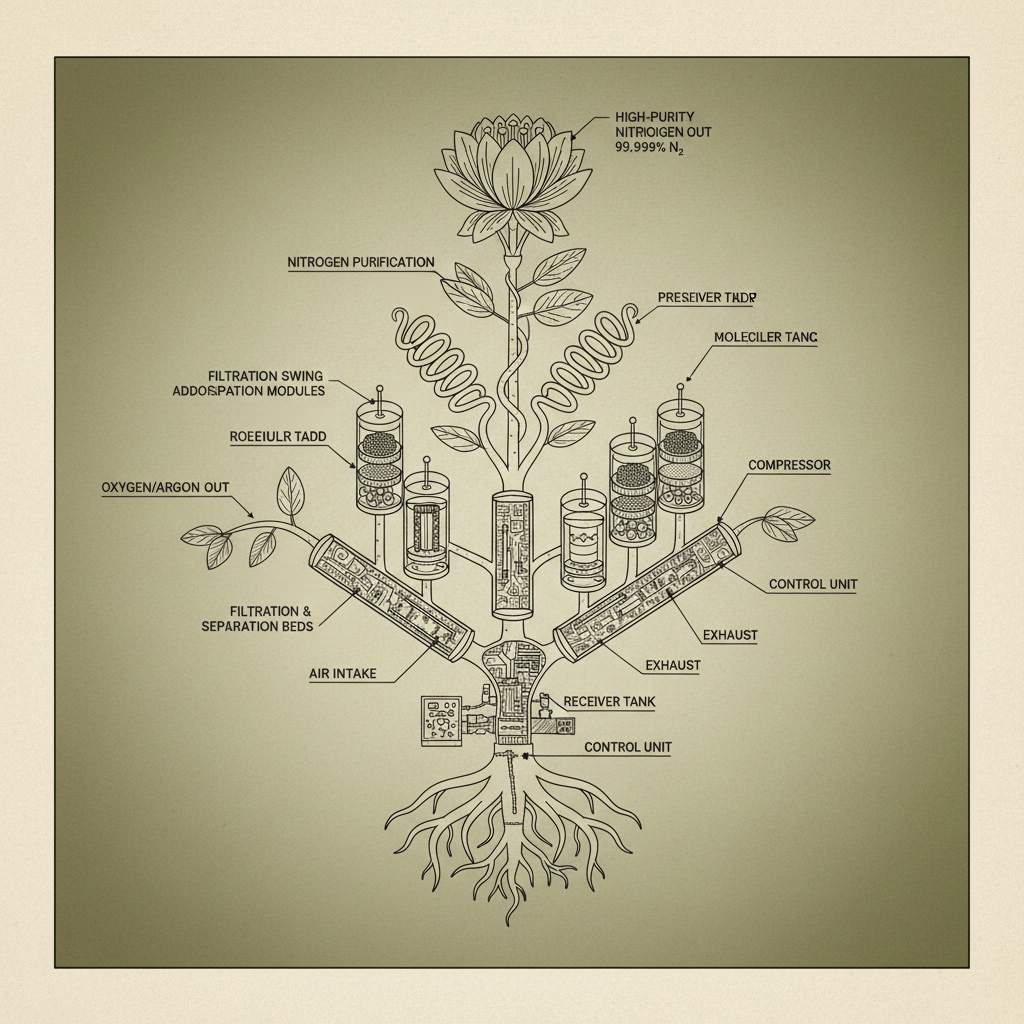
The biggest mistake? Undersizing the compressor. Seriously. People try to save a few bucks on the front end, and then the generator can't keep up with demand. Another thing is neglecting the air filtration system. Dust, oil, moisture… it all gums up the works and ruins the zeolite sieves. Those sieves are the heart of the whole system, you know? They’re expensive to replace.
I also see a lot of designs that don't account for humidity. If you're in a humid environment, you need a really good pre-treatment system to dry the air properly. Otherwise, you're fighting a losing battle. Strangely, some engineers forget that factories aren't always climate-controlled!
And the control panels… don’t even get me started. Too complicated, too many unnecessary features. Workers just want something simple and reliable. They don't need a touchscreen with a dozen different menus.
Key Materials and Their Quirks
The zeolite sieves, as I mentioned, are critical. They're these little crystalline aluminosilicates that selectively absorb nitrogen. They feel kind of gritty, almost like sand. Smell… well, they don’t really smell like anything, thankfully. You have to handle them carefully, though, they can break easily.
The compressor itself… usually a screw compressor these days. They're more efficient than piston compressors, but also more expensive. The oil in those things is a nightmare to deal with. Sticky, smelly, and gets everywhere. You need to make sure the oil separator is working properly, otherwise you'll end up with oil carryover in your nitrogen stream.
Then there's the stainless steel for the tanks and piping. 304 stainless is the standard, but for really corrosive environments, you need 316. It's more expensive, but worth it in the long run. I encountered this at a chemical plant in India last time… a 304 tank corroded through in six months. Disaster.
Real-World Testing & Usage
Labs are fine, but the real test is on-site. We pressure test everything, of course, but we also run them for extended periods under realistic conditions. That means varying loads, fluctuating temperatures, and dirty air. We even simulate power outages to see how the system recovers.
Users… they often use it for more than just blanketing or purging. I've seen them using it for food packaging, laser cutting, even tire inflation! They often don’t read the manual, either. They just want to turn it on and have it work. Which is why simplicity is so important.
Nitrogen Generator Factory Performance Metrics
Advantages & Disadvantages - The Honest Truth
The biggest advantage? Cost savings. No more recurring nitrogen bills. Reliability is also huge, especially for continuous processes. And it's environmentally friendly – reduces your carbon footprint.
But they're not perfect. They require regular maintenance – filter changes, sieve replacements. They also consume electricity. And honestly, the initial investment can be significant. Anyway, I think the long-term benefits outweigh the drawbacks, especially for larger users.
Customization Capabilities & A Shenzhen Story
We can customize just about anything. Flow rate, purity level, even the size of the unit. Last month, that small boss in Shenzhen who makes smart home devices insisted on changing the interface to , instead of the standard IEC connector. Said it was “more modern.” The result? He couldn’t find a power cord anywhere when he got it back to his factory. Had to special order them. Cost him a week of downtime.
Seriously, sometimes clients have ideas that are… less than ideal. But we try to accommodate them, within reason. We’ve done units with remote monitoring, automatic start/stop, even integration with their existing control systems. It's all doable.
Performance Metrics & Considerations
To get down to brass tacks, you want to look at purity levels, flow rates, and power consumption. Purity is usually expressed as a percentage – 99.999% is standard for most applications. Flow rate depends on your needs, obviously. And power consumption… well, that's where things get tricky. It depends on the compressor efficiency and the sieve regeneration cycle.
You also need to consider the ambient temperature and humidity. These factors affect the compressor performance and the sieve lifespan. And don't forget about the maintenance schedule. Regular filter changes and sieve replacements are essential for optimal performance.
Here’s a rough guide we use when evaluating units. Keep in mind, it’s just a starting point.
Nitrogen Generator Factory Key Performance Indicators
| Metric |
Ideal Range |
Acceptable Range |
Potential Issue |
| Nitrogen Purity (%) |
99.999% |
99.99% |
Sieve Degradation |
| Flow Rate (Nm3/hr) |
Consistent with demand |
+/- 5% of demand |
Compressor Undersized |
| Power Consumption (kW) |
<5 kW |
<8 kW |
Inefficient Compressor |
| Maintenance Frequency |
Annual filter change |
Bi-annual filter change |
Air Quality Issues |
| Sieve Lifespan (Years) |
>5 years |
3-5 years |
Humidity/Contamination |
| Noise Level (dB) |
<70 dB |
<80 dB |
Compressor Vibration |
FAQS
It really depends on your nitrogen consumption. But for most factories, we're looking at a payback period of 1-3 years. You have to factor in the cost of the unit, installation, and maintenance, but then subtract the savings on liquid nitrogen deliveries. It’s often quicker than people think, especially if they're using a lot of nitrogen.
The main maintenance is filter changes, usually once a year. You also need to check the oil levels in the compressor and make sure the sieve dryer is functioning properly. It's not rocket science, but it's important to stay on top of it. We offer maintenance contracts, or you can train your own staff.
Yes, but you’ll need a robust pre-treatment system. We recommend a refrigerated air dryer and a desiccant dryer to remove the moisture. Otherwise, you’ll quickly ruin the zeolite sieves. It adds to the upfront cost, but it’s worth it in the long run.
We can design a system with a variable flow rate compressor and a larger storage tank to handle those fluctuations. The generator will ramp up and down as needed to meet your demand. You can also consider multiple generators for redundancy and scalability.
It depends on the model, but we offer sound-dampened enclosures to reduce noise levels. Typically, you can get them down to around 70 dB, which is comparable to a noisy air conditioner. We always recommend checking local noise regulations.
With proper maintenance, a good unit should last 10-15 years, easily. The compressor is usually the first thing to go, but even those can be rebuilt. The sieves need replacing every 5-7 years, depending on usage and air quality. It’s a solid investment, if you treat it right.
Conclusion
So, nitrogen generator factories aren’t a magic bullet. There are things that can go wrong, details that matter. But they’re a solid, reliable solution for a lot of industries. The key is to do your homework, choose a reputable manufacturer, and make sure the system is properly sized and maintained.
Ultimately, whether this thing works or not, the worker will know the moment he tightens the screw. You can run all the simulations and analyses you want, but the real test is out there on the factory floor. And that’s where we focus our efforts.