
February 02, 2026
Investing in a chain link fence for security or property delineation is a significant decision. But equally important is the machinery used to create it. A manual chain link fencing machine offers a cost-effective and efficient solution for fence manufacturers and installers. This article delves into the pricing factors, features, benefits, and considerations when purchasing a manual chain link fencing machine. We’ll explore the variables impacting manual chain link fencing machine price, helping you make an informed investment.
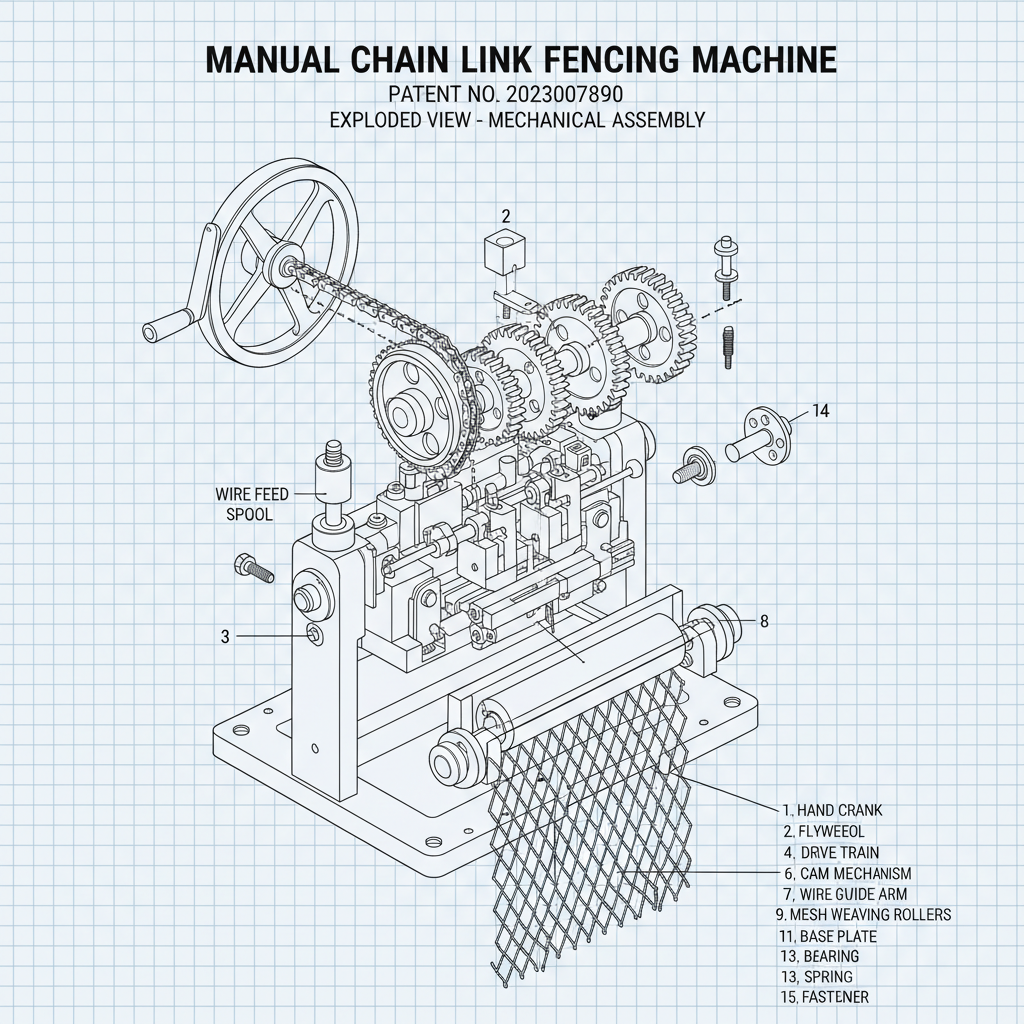
The price of a manual chain link fencing machine varies significantly depending on several key factors. The machine’s capacity (how much fence it can produce per hour) is a primary driver. More robust machines capable of higher output generally command a higher price tag. The quality of materials used in construction – from the gears and bearings to the frame – also plays a critical role. Machines built with durable, high-grade components will be more expensive upfront but offer greater longevity and reduced maintenance costs. Finally, the manufacturer's reputation and the level of after-sales support (including spare parts availability and technical assistance) contribute to the overall price. Exploring these aspects will help you determine a fair manual chain link fencing machine price.
Key Considerations: Machine capacity, material quality, manufacturer reputation, and after-sales support all influence price. Investing in a machine from a reputable supplier with reliable support is paramount.
The market offers a range of manual chain link fencing machines, catering to diverse budgets and production needs. Generally, prices range from approximately $1,500 to $5,000. Entry-level machines, suitable for small-scale operations or occasional use, typically fall within the $1,500 - $2,500 range. Mid-range machines, offering improved capacity and durability, are priced between $2,500 and $3,500. High-end manual machines, designed for continuous operation and heavier-duty applications, can exceed $3,500. It’s important to note that these prices are approximate and can vary based on the factors discussed previously.
Price Range Guide:
• Entry-Level: $1,500 - $2,500
• Mid-Range: $2,500 - $3,500
• High-End: $3,500+
While this article focuses on manual machines, it’s crucial to understand the difference between manual and automatic options. Automatic machines significantly increase production speed and reduce labor costs but come with a substantially higher initial investment – often exceeding $10,000. Manual machines require more physical effort and are slower, but their lower cost makes them ideal for smaller businesses or those with limited budgets. The best choice depends on your production volume, labor availability, and financial resources. Considering long-term operational costs (including labor and maintenance) is vital when comparing these options.
When selecting a machine, prioritize features that enhance efficiency and durability. Look for machines with robust gear systems, adjustable die sets for varying mesh sizes, and ergonomic handles for comfortable operation. A sturdy frame is essential for minimizing vibrations and ensuring consistent performance. Also, consider the availability of spare parts and the manufacturer’s reputation for customer support. Investing in a machine with these features will contribute to long-term productivity and cost savings. Meshmachinery.com offers a range of machines with these features.
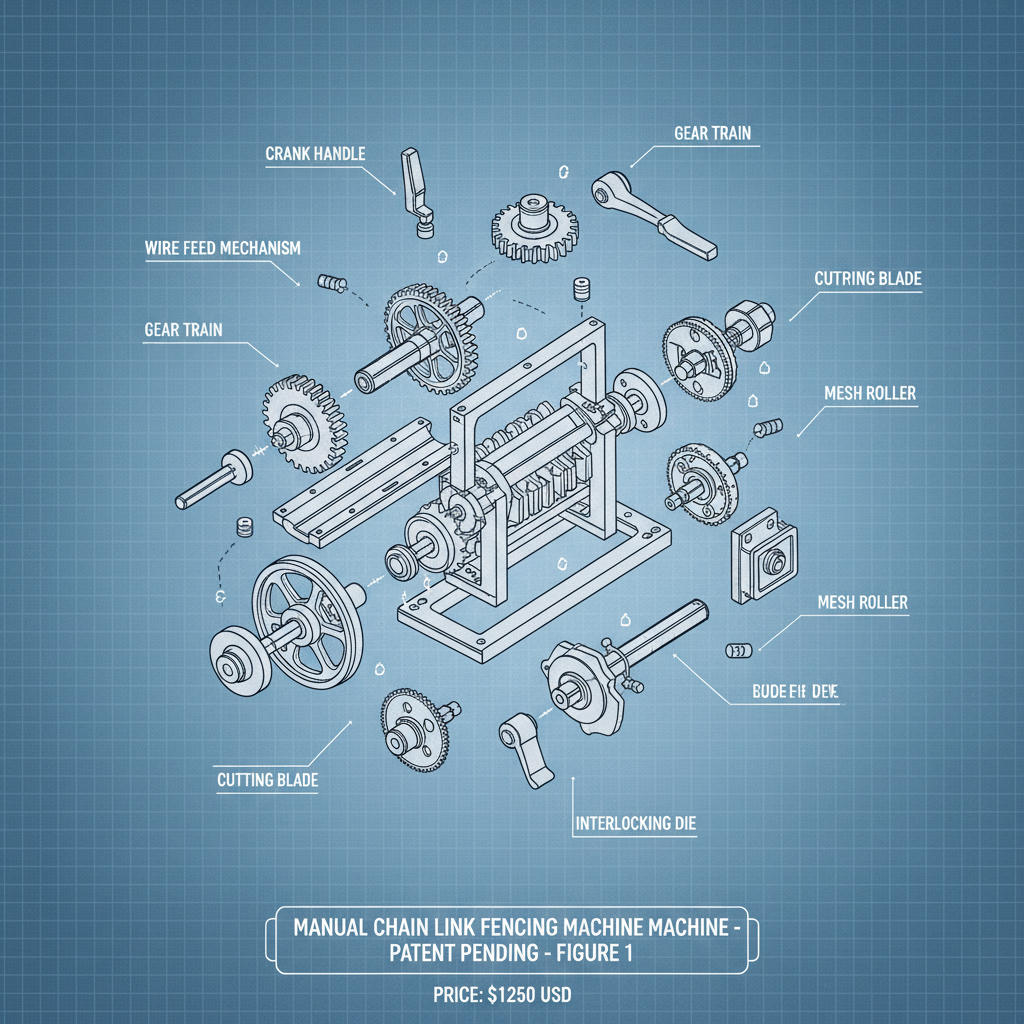
While the initial manual chain link fencing machine price is important, remember to factor in long-term costs. These include the cost of spare parts (gears, bearings, dies), maintenance, and potential repairs. Choosing a machine from a reputable manufacturer with readily available spare parts will minimize downtime and reduce maintenance expenses. Regular lubrication and cleaning are also crucial for extending the machine’s lifespan. Considering these factors will provide a more accurate assessment of the total cost of ownership.
Choosing the right manual chain link fencing machine requires careful consideration of your budget, production needs, and long-term costs. By understanding the factors influencing price, comparing different options, and prioritizing quality and durability, you can make a sound investment that will contribute to the success of your business. Explore the range of machines offered by Meshmachinery.com to find the perfect solution for your fencing needs.
Regular maintenance is crucial for ensuring the longevity and efficiency of your machine. This includes daily lubrication of moving parts, periodic cleaning to remove debris, and regular inspection for worn or damaged components like gears, bearings, and dies. It's also important to tighten any loose bolts or screws. Following the manufacturer's maintenance schedule, as outlined in the user manual, is highly recommended. Proper maintenance can significantly reduce the risk of breakdowns and extend the machine's lifespan, ultimately saving you money on repairs and replacements.
The range of mesh sizes a manual chain link fencing machine can produce depends on the die sets included with the machine. Most machines come with a selection of dies that allow for producing common mesh sizes, such as 1 1/4", 1 1/2", 2", and 2 1/2". Some manufacturers offer custom die sets for specific mesh size requirements. It's important to confirm the included die sets and the availability of additional dies before purchasing a machine to ensure it can meet your production needs. Meshmachinery.com offers machines with versatile die options.
The production rate of a manual chain link fencing machine varies significantly depending on the operator’s skill, the mesh size being produced, and the machine’s capacity. Generally, a skilled operator can produce between 10 to 20 meters of chain link fence per hour. However, this is just an estimate, and actual production rates may vary. It is lower than that of an automatic machine, which is a trade-off for the lower initial investment.
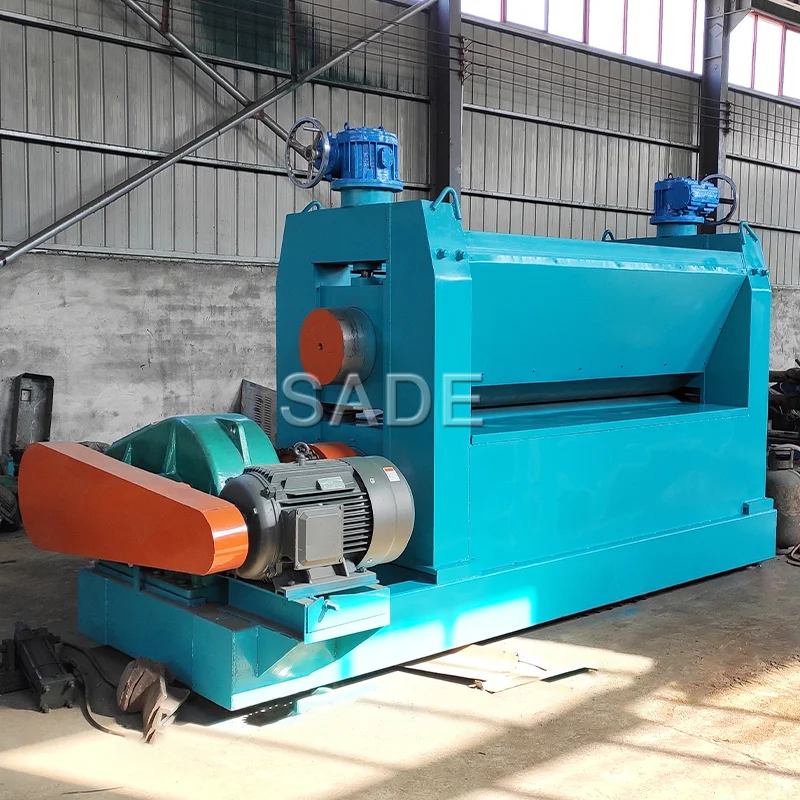
ZPJ Metal Mesh Flatting Machine
ZPJ metal mesh flatting machine is special designed for expanded metal flatting.It’s a corollary equipment of expanded metal machine. It can make expanded wire-mesh smoothly.And the flattened expanded metal have much more widely different applications.
Apr 24, 2026
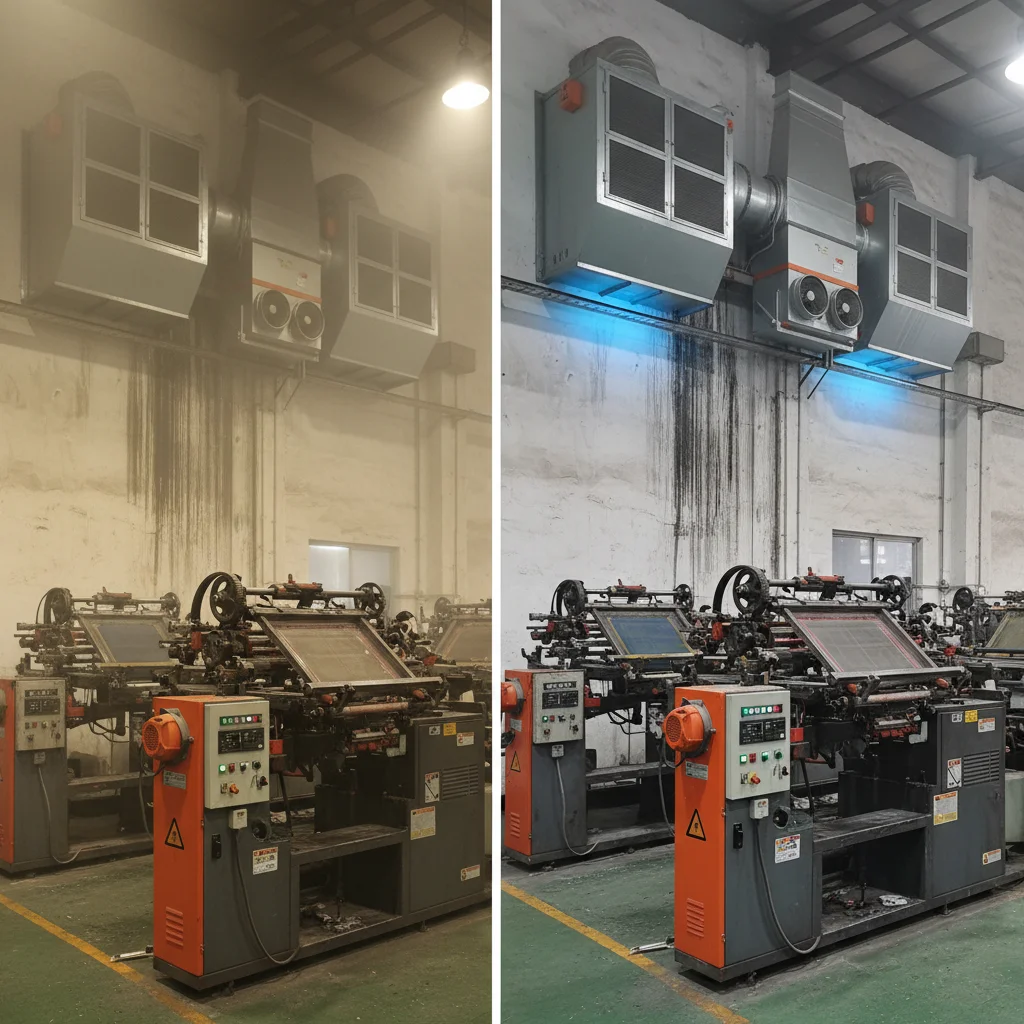
Industrial Wall Mounted Air Filtration for Clean Work Environments