
November 19, 2025
The global infrastructure boom, driven by rapid urbanization and a growing emphasis on sustainable construction, is pushing manufacturers to produce high-quality materials at an unprecedented scale. At the core of this challenge is wire mesh—a vital material used in reinforced concrete, security fencing, and specialized industrial filters. Traditional production methods, often reliant on manual labor and inconsistent in output, are no longer sufficient to meet modern project schedules and rigorous quality requirements.This is where advanced automation is reshaping the wire mesh manufacturing industry. Recent market studies forecast a compound annual growth rate (CAGR) of over 5% for the global wire mesh market through 2028, underscoring the urgent need for reliable, high-volume production solutions. A key response to this rising demand is the advanced EVG wire mesh welding machine , engineered to optimize every aspect of mesh production. More than just welding equipment, these systems function as integrated manufacturing units, delivering exceptional speed, precision, and efficiency. They set new standards for productivity and quality in a highly competitive global marketplace, marking a decisive transition from labor-intensive processes to streamlined, digitally controlled production—enabling manufacturers to achieve operational excellence and strengthen their market position.
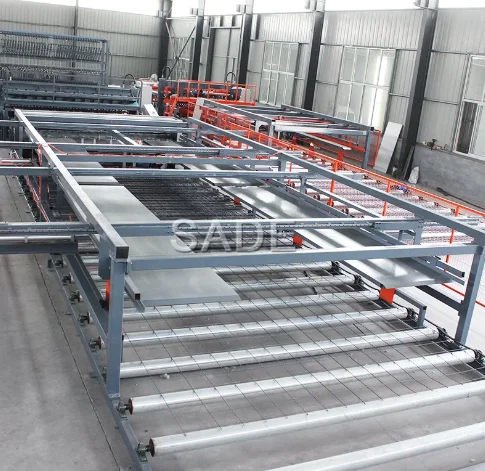
The critical role of automation and precision in today's construction and industrial sectors is undeniable. As infrastructure projects grow more complex and timelines tighter, the need for high-quality, consistently manufactured materials becomes essential. A single large-scale project—such as a commercial complex or highway—can easily require hundreds of thousands of square meters of welded wire mesh. Manual production at this scale is not only economically inefficient but also prone to human error, resulting in expensive rework and delays.Automated wire mesh production systems effectively overcome these limitations by ensuring uniform quality and achieving production speeds far beyond manual capabilities. In precast concrete manufacturing, for example, where dimensional accuracy is vital to structural safety, even minor deviations in mesh can compromise compliance and performance. Likewise, in agricultural uses such as livestock fencing or greenhouse frames, the consistency and strength of the mesh determine its durability and service life.The shift from basic spot welding to fully automated, digitally controlled processes has not only boosted production rates but also raised quality standards across industries. This transformation goes beyond speed—it incorporates advanced safety measures that reduce operator exposure to hazardous equipment, while optimizing material usage to cut waste and support sustainable operations.
An examination of the technical strengths of advanced EVG-style wire mesh welding machines demonstrates why they set industry standards. Engineered with precision-focused components, these systems deliver exceptional productivity and accuracy. Central to their operation are programmable logic controller (PLC) and human-machine interface (HMI) systems, which provide intuitive control over key parameters—including wire spacing, diameter, current, and weld timing—ensuring consistent weld quality and geometric precision with minimal operator intervention.High-performance servo motors enable synchronized feeding and positioning of multiple wires, often achieving tolerances within fractions of a millimeter. This allows quick adaptation to various mesh layouts and custom designs with little downtime. Integrated straightening and cutting units also prepare raw wire with high accuracy, reducing waste and improving material efficiency.The welding heads, powered by pneumatic or hydraulic systems, deliver uniform pressure for strong and repeatable welds—even with thicker wires. Advanced thermal management systems prevent overheating, supporting extended operation and machine durability. Additionally, automated stacking and conveying systems streamline material handling after welding, minimizing manual labor and accelerating packaging.By integrating these features, EVG-style machines not only enhance product quality and production speed but also lower operating costs, making them essential for high-volume mesh manufacturers who prioritize precision and efficiency.
Making an informed decision about wire mesh production equipment often involves a critical evaluation of various technologies, weighing initial investment against long-term operational benefits. While traditional manual or semi-automatic welding methods may appear to offer a lower upfront cost, a comprehensive strategic analysis quickly reveals the overwhelming advantages of advanced automated systems, particularly those designed in the EVG style. The following comparison highlights key performance indicators that differentiate these approaches, emphasizing why investing in modern automation is a strategic imperative for businesses aiming for sustainable growth and competitive edge:
Feature/Metric | Advanced EVG-Style Automated Welder | Traditional Manual/Semi-Auto Method |
Production Speed (m²/hr) | Up to 150-300+ m²/hr (e.g., 2-5 times faster) | 20-60 m²/hr (highly dependent on operator skill) |
Welding Precision & Consistency | ±0.5 mm tolerance; uniform weld strength (PLC controlled) | ±2-5 mm tolerance; variable weld strength (operator dependent) |
Labor Requirement | 1-2 operators for supervision & material loading | 3-6 skilled welders/assistants per line |
Material Waste Rate | < 1% (optimized cutting, precise feeding) | 3-7% (human error, inaccurate cuts, rework) |
Energy Efficiency | Optimized power consumption per weld, smart energy management | Higher consumption per unit output due to inefficiencies |
Product Quality & Weld Strength | Consistently high; meets international standards (e.g., ISO, ASTM) | Variable; often requires post-production inspection & repairs |
Maintenance & Downtime | Predictive maintenance options, robust components, modular design for quick repairs | Unpredictable, often reactive, higher wear on manual tools |
Adaptability & Customization | Rapid changeovers for different mesh types, programmable patterns | Limited to basic patterns, time-consuming adjustments |
Safety Features | Comprehensive safety interlocks, guarding, emergency stops | Reliance on operator vigilance, higher exposure to hazards |
Overall ROI | Rapid payback period (typically 1-3 years) due to efficiency, quality, and labor savings | Slower ROI, ongoing high labor costs, limited scalability |
This data clearly demonstrates that while the initial capital expenditure for an advanced automated system might be higher, the long-term operational savings, superior product quality, increased production capacity, and enhanced safety collectively deliver a significantly faster and more substantial return on investment. The ability to meet tight deadlines with unwavering quality, reduce labor dependency, and minimize waste directly translates into a stronger competitive position and greater profitability.
A key advantage of advanced wire mesh welding systems lies in their extensive customization capabilities, enabling manufacturers to tailor production precisely to diverse project needs. Far from offering a one-size-fits-all solution, these machines can be adapted to produce a wide range of mesh types for specialized applications and niche markets.Customization starts with core specifications: panel dimensions can be adjusted from small, intricate components to large structural sheets. Machines also support variable wire diameters, allowing different gauges of longitudinal and cross wires to be welded together for optimized strength and material efficiency. Mesh openings can be flexibly programmed—from dense security screens to wide-spaced grids for gabions or agricultural use.Beyond standard features, advanced options include integrated bending units for 3D mesh forms, automated trimming and stacking systems, and specialized welding heads for coated or non-standard materials. Software customization enables storage of multiple production recipes, facilitating quick changeovers with minimal downtime. For smart factory integration, these systems can be equipped with connectivity modules for real-time data exchange, remote monitoring, and ERP synchronization.This tailored approach ensures each welding system aligns with the manufacturer’s workflow, material requirements, and product goals—enhancing operational efficiency while creating opportunities for product diversification and market expansion.
The versatility of advanced wire mesh welding technology is clearly demonstrated by its broad adoption across numerous industries, where it enhances traditional processes and enables innovative applications. In construction, these systems are essential for producing reinforced mesh used in concrete slabs, walls, foundations, and precast components. The consistent weld quality and dimensional accuracy they deliver help ensure structural reliability while accelerating project schedules. Major infrastructure developments—such as bridges and highways—depend on precisely manufactured mesh panels to meet demanding load-bearing and durability requirements.Beyond structural uses, wire mesh is widely employed in fencing systems, ranging from high-security enclosures for industrial sites to durable agricultural fencing and decorative garden screens. Automated welding equipment efficiently produces various mesh patterns and wire thicknesses to match specific security or functional needs, often incorporating integrated bending for three-dimensional fence sections.In environmental and civil engineering, welded mesh is vital for fabricating gabion baskets used in erosion control, retaining walls, and landscape architecture. The strength and uniformity of automated welds contribute to the long-term stability of these installations. Agriculture also relies on welded mesh for animal enclosures, poultry cages, and greenhouse frameworks, where strength and cleanable designs are essential.Additional specialized uses include shelving and storage systems for logistics centers, industrial filters and grilles, and even architectural cladding—illustrating the remarkable adaptability of this technology. Across all these sectors, automated mesh welding delivers the same core benefits: high speed, exact precision, and reliable consistency, providing end-products that comply with rigorous industry standards and fulfill diverse customer requirements.
In today's rapidly evolving global market, manufacturers face increasing pressure to enhance efficiency, maintain consistent quality, and adapt quickly to changing demands. Adopting advanced wire mesh welding technology is no longer just an upgrade—it is a strategic move to future-proof production operations.These systems deliver multiple advantages: they significantly increase production speed, reduce reliance on manual labor, and ensure uniform product quality that meets strict international standards. By minimizing material waste and optimizing energy use, they also support more sustainable and cost-effective manufacturing. Their flexibility allows for easy adaptation to custom orders and shifting market needs.Companies that integrate this technology gain a clear competitive edge—enabling them to take on larger projects, access new markets, and sustain profitability even in a challenging operating environment. As Industry 4.0 and smart manufacturing become the norm, the value of connected, data-capable welding systems continues to grow.Choosing an EVG-style wire mesh welding machine means more than acquiring equipment—it is investing in an integrated solution built on precision engineering, reliable performance, and scalable output. This commitment drives operational excellence, promotes sustainable practices, and helps secure leadership in the competitive field of wire mesh manufacturing—laying a strong foundation for long-term growth and innovation.
These machines are typically designed to process various types of wire, including cold-drawn low carbon steel wire, galvanized wire, stainless steel wire, and sometimes ribbed reinforcement bars, depending on the specific model and its welding capabilities.
The dimensions vary significantly by machine model. Standard machines can produce panels from 1 meter up to 3-4 meters in width and up to 6-12 meters or more in length. Customization options can further extend these ranges.
Advanced EVG-style machines, controlled by PLCs, offer exceptional precision, often maintaining mesh opening tolerances within ±0.5 mm. Weld consistency is also very high, ensuring uniform strength across the entire mesh panel, surpassing international quality standards.
Common automation features include automatic wire feeding (from coils or pre-cut bars), automatic cross-wire loading, programmable welding patterns, automatic mesh cutting to length, and integrated stacking and conveying systems. Some models also feature remote diagnostics and Industry 4.0 integration.
Key benefits include significantly higher production speed, superior and consistent product quality, reduced labor costs, minimal material waste, enhanced operational safety, and greater flexibility for producing diverse mesh types. This leads to a faster and higher return on investment.
Yes, modern EVG-style machines are highly versatile. Their PLC control systems allow for easy programming and rapid changeovers between various mesh patterns, wire spacings, and wire diameters, making them suitable for producing a wide range of products without extensive retooling.
With regular preventive maintenance (e.g., lubrication, inspection of wear parts, calibration of welding parameters), these robust machines are designed for a long operational lifespan, often exceeding 15-20 years. Many come with diagnostic tools to aid in predictive maintenance, minimizing unexpected downtime.
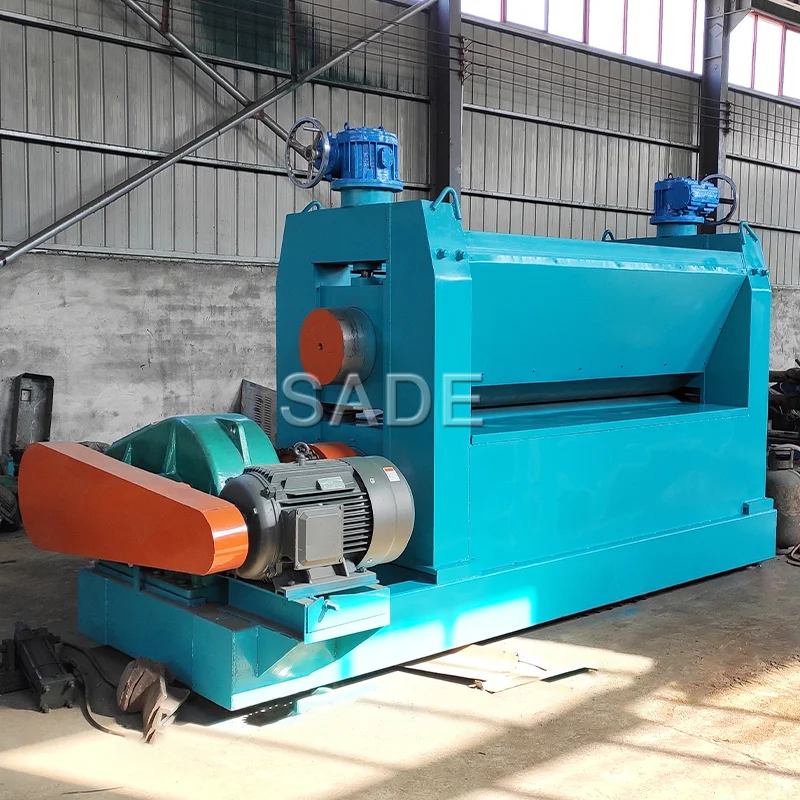
ZPJ Metal Mesh Flatting Machine
ZPJ metal mesh flatting machine is special designed for expanded metal flatting.It’s a corollary equipment of expanded metal machine. It can make expanded wire-mesh smoothly.And the flattened expanded metal have much more widely different applications.
Apr 24, 2026
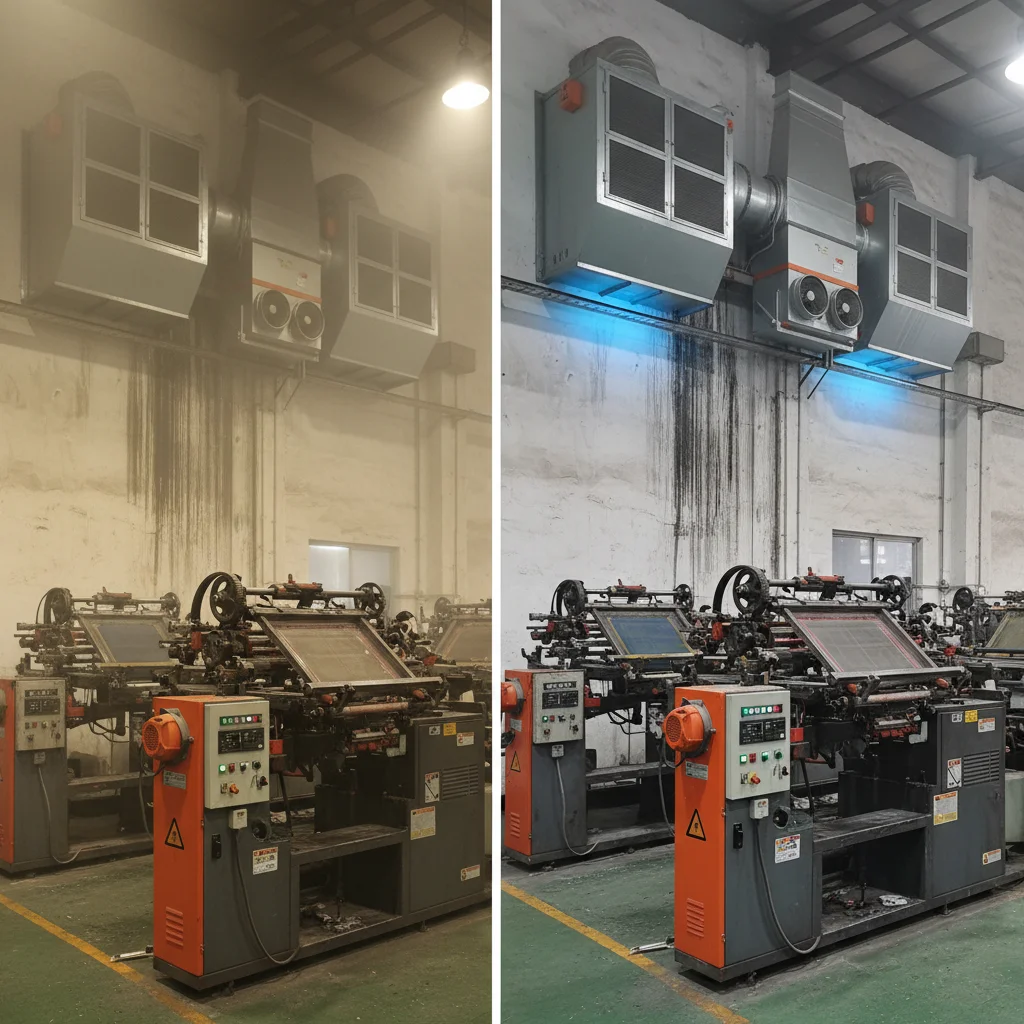
Industrial Wall Mounted Air Filtration for Clean Work Environments