
November 19, 2025
In the relentless pursuit of manufacturing efficiency and precision, the introduction of the automatic wire mesh welding machine marks a pivotal technological breakthrough. This advanced equipment has fundamentally transformed the metal fabrication landscape, shifting industries away from labor-intensive manual processes toward a new paradigm of high-speed, high-precision automation.For decades, the production of wire mesh—a material widely used in applications ranging from construction reinforcement to protective barriers—was often hampered by production bottlenecks, inconsistent quality, and rising labor costs. Manually welding hundreds or even thousands of wire intersections per panel was not only time-consuming but also susceptible to human error, which directly compromised the structural integrity and visual quality of the final product.In today’s competitive industrial environment, there is a growing demand not just for production capacity, but for smart and streamlined manufacturing processes that can meet strict deadlines and quality standards—all while minimizing human intervention and optimizing resource utilization.
The advent of the automatic wire mesh welding machine represents not merely an incremental upgrade, but a transformative leap that delivers unparalleled benefits across the entire production chain. Manufacturers adopting this technology report substantial gains in output, significant reductions in material waste, and consistently superior product finishes that adhere to precise specifications.Engineered for versatility, these robust systems accommodate a wide spectrum of wire diameters and material types—including mild steel, stainless steel, and galvanized wire—making them suitable for diverse applications. The operational framework is designed to optimize each stage of mesh production: from precise wire feeding and tension control to accurate welding parameter management and automated panel cutting.Integrating advanced control systems such as PLCs and CNC interfaces, the machine enables the production of complex mesh patterns and custom dimensions with minimal operator involvement. This enhances operational uptime, reduces labor dependency, and lowers overall overhead.As global industries increasingly prioritize competitiveness, sustainability, and compliance with stringent regulations, understanding the full capabilities and strategic value of this advanced equipment has become essential. Embracing this technology is no longer optional—it is a crucial determinant for sustained growth and market leadership in today’s interconnected economy.
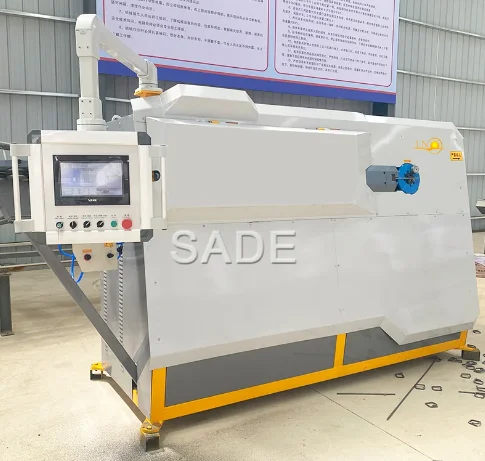
Beneath the robust exterior of modern wire mesh welding systems lies a meticulously engineered architecture, designed for unwavering performance, exceptional output, and longevity. The core of their operational brilliance stems from the precise synchronization of multiple sophisticated subsystems. At the heart of most advanced units is a sophisticated PLC or CNC control system, serving as the central nervous system that orchestrates every movement and action. This controller manages everything from the unwinding of longitudinal wires and their precise positioning, to the feeding and cutting of cross wires, and crucially, the execution of each individual weld with microsecond accuracy. High-precision servo motors are instrumental in achieving the rapid and accurate movement of welding electrodes and wire feeding mechanisms. These motors provide dynamic control over speed and position, ensuring that each cross wire is placed with sub-millimeter accuracy and that the welding cycle is initiated at the exact moment required for optimal fusion, even at high production speeds.
The welding process is driven by state-of-the-art transformers, typically utilizing Medium-Frequency DC (MFDC) technology. This advanced method offers clear advantages over traditional AC welding, establishing it as a cornerstone of high-quality mesh production. MFDC systems deliver significantly higher energy efficiency, reducing power consumption and long-term operating costs. Crucially, they provide a highly stable and consistent welding current, which translates to superior weld integrity with minimal spatter and a reduced heat-affected zone. This reliability is essential for creating strong, uniform welds that meet the stringent load-bearing requirements of critical applications, such as concrete reinforcement, where structural integrity is paramount.Robust pneumatic or hydraulic clamping systems work in tandem with the welding process, firmly securing all wires during the cycle to prevent slippage and maintain perfect mesh geometry. Further enhancing efficiency, integrated automatic wire straightening and cutting units are often incorporated upstream. These units transform raw wire coils into precisely cut, ready-to-weld segments, frequently eliminating separate pre-processing steps and streamlining the entire production workflow. It is this intricate synergy of mechanical precision, advanced electrical power control, and intelligent automation that defines the engineering excellence of these systems, ensuring they deliver consistent, high-quality results day after day.
The most compelling case for investing in a high-speed automatic wire mesh welding system lies in its undeniable economic advantages and transformative efficiency gains. Traditional manual or semi-automatic methods are simply no match for the output and cost-effectiveness of modern automated solutions.To illustrate: a manual welding process might produce only 10–20 square meters of complex mesh per hour. This approach depends heavily on skilled labor, is prone to fatigue-related errors, and often requires costly rework. In contrast, a modern automatic system can consistently output over 100–150 square meters per hour for standard mesh configurations—representing a productivity increase of 500% to 1000%.For applications using lighter wires and simpler patterns, certain high-speed models can even exceed 200–250 square meters per hour, redefining the limits of mesh fabrication capacity.
Beyond raw output, the economic benefits of automated wire mesh welding systems deliver a profound and multi-faceted impact on an enterprise's bottom line.Labor costs, traditionally a major manufacturing expense, can be slashed by 70–80%. A single operator can manage multiple machines or an entire line, transitioning personnel from manual fabrication to higher-value supervisory and quality control roles.Material waste is substantially reduced through precision feeding, straightening, and cutting mechanisms. These systems typically lower scrap rates by an estimated 15–25% compared to error-prone manual methods.Energy consumption is also optimized. Technologies like Medium-Frequency DC (MFDC) welding can reduce energy use per weld by up to 30% compared to conventional AC systems, lowering operating costs and supporting sustainability goals.Moreover, the consistent, high-quality output leads to fewer rejects and less rework, improving overall product yield by an estimated 10–15%.For a mid-sized manufacturer producing 50,000 to 100,000 square meters of mesh monthly, these cumulative efficiencies can generate annual savings ranging from tens to hundreds of thousands of dollars. The return on investment (ROI) is often achieved within 18 to 36 months, making automated mesh production not just an upgrade, but a strategic imperative for any modern, lean manufacturing operation focused on long-term profitability and competitiveness.
Navigating the diverse landscape of advanced mesh welding equipment requires a methodical approach to vendor and model selection, as the market offers a wide spectrum of capabilities and features. Key performance indicators (KPIs) and technological specifications vary significantly across manufacturers, influencing not only the initial capital investment but also long-term operational costs, maintenance requirements, and overall product capabilities. To illustrate these distinctions and aid in informed decision-making, a comparative analysis of hypothetical leading systems can illuminate critical decision points. While specific brand names are omitted to provide a generalized overview, the categories represent common differentiators one would encounter when evaluating market offerings.
When evaluating potential systems, astute buyers will look beyond the headline features and delve into critical operational aspects such as the ease of programming, maintenance simplicity, availability of local spare parts, and the quality and responsiveness of post-sales technical support. A machine with impressive specifications but poor service infrastructure can quickly become a significant liability, leading to costly downtime. Furthermore, considering the future scalability of production and potential integration with other factory automation systems – such as robotic handling for loading/unloading, automated stacking systems, or direct connectivity with Enterprise Resource Planning (ERP) systems – is crucial for long-term strategic planning and achieving a truly integrated smart factory environment. The reliability and user-friendliness of the control system, typically PLC or CNC based, also play a significant role in operator training time and daily operational efficiency, directly impacting labor productivity. The ultimate choice must carefully balance these factors, aligning the machine's capabilities with the specific production demands, budget constraints, and future growth objectives of the enterprise to ensure a robust and sustainable investment.
Comparative Analysis of Automatic Wire Mesh Welding Systems (Illustrative) | |||
Feature/System | System Alpha (Entry-Level Standard) | System Beta (Mid-Range Advanced) | System Gamma (High-End Industrial Pro) |
Wire Diameter Range (mm) | 2.0 - 6.0 (Mild Steel) | 2.5 - 8.0 (Mild, Galvanized, Some SS) | 3.0 - 12.0 (Heavy Gauge, All Materials) |
Max Mesh Width (mm) | 1500 | 2500 | 3500+ |
Welding Speed (Cross Wires/min) | 80 - 120 | 120 - 180 | 180 - 250+ (Multi-Transformer) |
Welding Technology | AC / SCR Control (Good for basic use) | MFDC / Servo Control (High efficiency, quality) | Advanced MFDC / Multi-Transformer & Servo (Highest efficiency, precision) |
Automation Level | Semi-Automatic Wire Feeding, Manual Mesh Cut | Automatic Cross Wire Feeding & Cut, Manual Longitudinal Load | Fully Automatic Wire Feeding (Coil), Auto Cut & Stacking/Bundling |
Power Consumption (kW/h) | High (due to AC, lower efficiency) | Medium (efficient MFDC, optimized) | Optimized Low (advanced MFDC, minimal waste) |
Typical Applications | Light Fencing, Animal Cages, Shelving | General Construction Mesh, Medium-Duty Fencing, Precast Elements | Heavy Duty Rebar Mesh, Industrial Grids, High-Volume Security Fencing |
Estimated Price Range (USD) | $50,000 - $100,000 | $150,000 - $300,000 | $400,000 - $1,000,000+ |
Note: These figures are illustrative and can vary greatly based on specific models, configurations, optional features, and regional markets.
One of the most significant advantages of contemporary wire mesh welding systems, particularly those from leading manufacturers, lies in their remarkable adaptability and potential for extensive customization. Recognizing that no two manufacturing operations are identical, and specific product requirements often demand unique capabilities, manufacturers now offer bespoke solutions designed to integrate seamlessly into existing production lines and cater to highly specific output requirements. This extends far beyond merely adjusting wire diameters or standard mesh sizes; it encompasses a complete engineering approach to tailor the machine's capabilities to an enterprise's unique demands and future growth trajectory.
Customization options frequently include specialized wire feeding mechanisms, for instance, multi-line feeding systems that can simultaneously handle different wire gauges or materials for complex composite meshes, or automatic coil loading systems for extended, uninterrupted production runs. The welding heads themselves can be customized in number, configuration, and electrode material to optimize for various mesh patterns, allowing for varied longitudinal and cross wire spacing within a single panel, or for welding specialty alloys. For specialized applications requiring intricate and non-uniform designs, advanced software interfaces permit the programming of highly irregular mesh pitches, unusual geometries, and even integrated cut-outs, a capability virtually impossible to achieve with consistency using manual methods. Furthermore, the integration of ancillary equipment is a common and highly valued customization request. This might involve automatic mesh bending stations for producing specific 3D structures, integrated shear lines for precise panel sizing and edge trimming, or robotic stacking and bundling systems to minimize post-production handling, reduce labor, and enhance safety. For those working with unique materials, such as heavily galvanized, high-tensile stainless steel, or even non-ferrous alloys, specialized welding electrodes, enhanced cooling systems, and finely tuned parameter sets can be developed to ensure optimal weld quality, joint strength, and longevity. Environmental considerations are also addressed, with options for enhanced fume extraction systems, low-noise operations, or specialized dust collection for specific factory settings. This collaborative engineering approach ensures that the client receives not just a machine, but a comprehensive production solution meticulously aligned with their operational objectives, maximizing efficiency, flexibility, and ultimately, return on investment in a competitive market.
The versatility, robust performance, and consistent output of modern wire mesh welding systems have made them indispensable across a multitude of industries, showcasing their profound real-world impact far beyond basic fabrication. Their unparalleled ability to produce precise, strong, and consistent mesh panels fuels critical components in various sectors, underpinning essential infrastructure, enhancing safety, and optimizing operational workflows with unparalleled efficiency.
In the construction industry, perhaps the most prominent and impactful application is the production of welded wire fabric (WWF) for concrete reinforcement. This includes standard rectangular or square mesh used extensively in floor slabs, roadways, bridge decks, precast concrete elements, and foundations. These machines produce mesh with exceptionally high dimensional accuracy and consistent weld shear strength, which are critical parameters for meeting stringent building codes, engineering specifications, and ensuring the long-term structural integrity and safety of concrete structures. Beyond standard rebar mesh, they also produce ladder and truss reinforcement for masonry work, enhancing the stability of brick and block structures.
For the fencing and security sector, these machines are fundamental to creating durable and effective barriers. They manufacture various types of welded mesh panels for perimeter fencing, high-security enclosures around critical infrastructure, animal enclosures, and protective barrier systems. The ability to produce different mesh apertures, wire gauges, and panel dimensions allows for extensive customization based on security levels, aesthetic requirements, and specific environmental conditions. This ranges from simple garden fences and agricultural enclosures to robust industrial security fences and specialized anti-climb barriers.
The agricultural sector benefits immensely from the production of robust and hygienic mesh for livestock cages, poultry flooring, animal traps, and crop trellises. The hygienic and durable nature of galvanized or stainless steel welded mesh, precisely fabricated by these machines, ensures longevity, ease of cleaning, and resistance to corrosion, which are all crucial factors for animal welfare, biosecurity, and overall farm productivity. The consistency of mesh sizing is vital for preventing injury and ensuring effective containment.
In industrial manufacturing and general fabrication, mesh finds its way into a myriad of products such as heavy-duty shelving units, secure storage racks, machine guards for safety compliance, and critical filtration systems. The precision fabrication capabilities ensure that these components fit perfectly, perform reliably under load or in demanding operational environments, and meet strict regulatory standards. For instance, customized mesh panels are used extensively in HVAC systems for air filtration, in automotive production for component protection and internal structures, and in mining for ground support and rockfall protection. Even niche applications, such as retail display stands, shopping carts, and architectural design elements, frequently incorporate welded mesh for its combination of strength, aesthetic appeal, and design flexibility. The underlying factor in all these diverse and critical uses is the machine's proven capacity to deliver high-quality, high-strength welded wire panels efficiently, economically, and consistently, cementing its role as a foundational technology in modern industrial production across the globe.
As industries globally navigate an era defined by rapid technological advancement, an increasing demand for unparalleled precision, enhanced efficiency, and greater sustainability, the strategic importance of the automatic wire mesh welding machine continues to escalate exponentially. This technology is far more than just a piece of specialized equipment; it represents a pivotal shift towards smarter, more resilient, and ultimately, more profitable manufacturing ecosystems. The multifaceted benefits accrued – ranging from unparalleled throughput and unwavering product quality to significant reductions in operational costs, labor dependency, and material waste – are no longer just competitive advantages; they are increasingly becoming baseline requirements for maintaining market relevance and achieving sustained growth in a fiercely competitive global landscape. Enterprises that proactively embrace and optimize these highly automated systems are inherently better positioned to respond dynamically to fluctuating market demands, deliver superior products with reduced lead times, and cultivate a leaner, more agile, and ultimately more profitable operational footprint.
Looking ahead, the evolution of the automatic wire mesh welding machine is poised to integrate even more sophisticated capabilities, pushing the boundaries of what is currently achievable. We anticipate deeper and more comprehensive integration with Industry 4.0 principles, leveraging cutting-edge Artificial Intelligence (AI) and Machine Learning (ML) algorithms for advanced predictive maintenance, real-time adaptive quality control, and intelligent process optimization. Imagine systems that can not only self-diagnose potential mechanical failures before they occur but also automatically adjust welding parameters based on subtle material inconsistencies, or even autonomously predict future market demand to optimize production schedules and raw material procurement with unprecedented accuracy. Furthermore, advancements in collaborative robotics and sophisticated vision systems will enable even greater levels of automation and human-machine interaction, from automated wire coil loading and seamless material handling to intelligent mesh sorting, precision stacking, and automated packaging. The ongoing focus for developers will remain on further enhancing energy efficiency through next-generation welding technologies, expanding material versatility to accommodate novel alloys and composites, and simplifying user interfaces to democratize access to this powerful technology for a broader range of manufacturers. For any fabrication business aiming for sustained growth, maximized productivity, and a robust competitive edge in the coming decades, investing in and strategically leveraging an automatic wire mesh welding machine is not merely an option, but an absolutely essential step towards securing a prosperous, efficient, and technologically advanced future.
An automatic wire mesh welding machine is an industrial system designed to efficiently produce wire mesh panels by precisely welding intersecting longitudinal and cross wires together. It automates the entire process, from wire feeding and straightening to welding and cutting, significantly increasing production speed, consistency, and quality compared to manual or semi-automatic methods.
These machines are highly versatile and can weld a variety of ferrous wire materials, including mild steel, galvanized steel, stainless steel, and sometimes specific low-carbon alloy steels. The choice of welding parameters, electrode materials, and cooling systems is crucial for achieving optimal results with different wire compositions and finishes.
The primary benefits include vastly increased production speed and output, superior and consistent weld quality, significant reduction in labor costs (often 70-80%), minimized material waste due to precision cutting and reduced errors, and the ability to produce complex mesh patterns with high accuracy. It also enhances workplace safety by reducing manual handling of heavy wires and exposure to welding hazards.
Consistent weld quality is ensured through several integrated features: precise wire feeding and robust clamping mechanisms to maintain accurate wire spacing and alignment, advanced welding transformers (typically Medium Frequency DC) for stable and controlled current delivery, and sophisticated PLC/CNC control systems that continuously monitor and adjust welding parameters in real-time according to pre-programmed specifications and material feedback.
Yes, absolutely. Leading manufacturers offer extensive customization options to meet unique industrial requirements. These can include varying machine widths, specific wire diameter ranges, unique mesh patterns (e.g., variable pitch, custom openings), integration with downstream equipment like bending or stacking robots, and adaptation for specialized wire materials or product dimensions, ensuring a tailored solution for diverse applications.
Regular and proactive maintenance is essential for optimal performance, efficiency, and longevity. This typically involves routine cleaning of welding electrodes and contact points, inspection and timely replacement of wear parts (e.g., electrodes, wire guides, cutting blades), precise lubrication of all moving mechanical components, calibration of welding parameters and wire feeding systems, and periodic software updates for the control system. Adhering strictly to the manufacturer's recommended maintenance schedule is crucial.
The ROI can vary significantly based on factors such as production volume, prevailing labor costs, the specific machine's capabilities, and its initial capital cost. However, due to the drastic increases in productivity (up to 1000%), substantial reduction in labor and material waste, and vastly improved product quality, many businesses experience a rapid ROI, often within 18 to 36 months, making it a highly cost-effective and strategic long-term investment for manufacturing expansion and competitiveness.
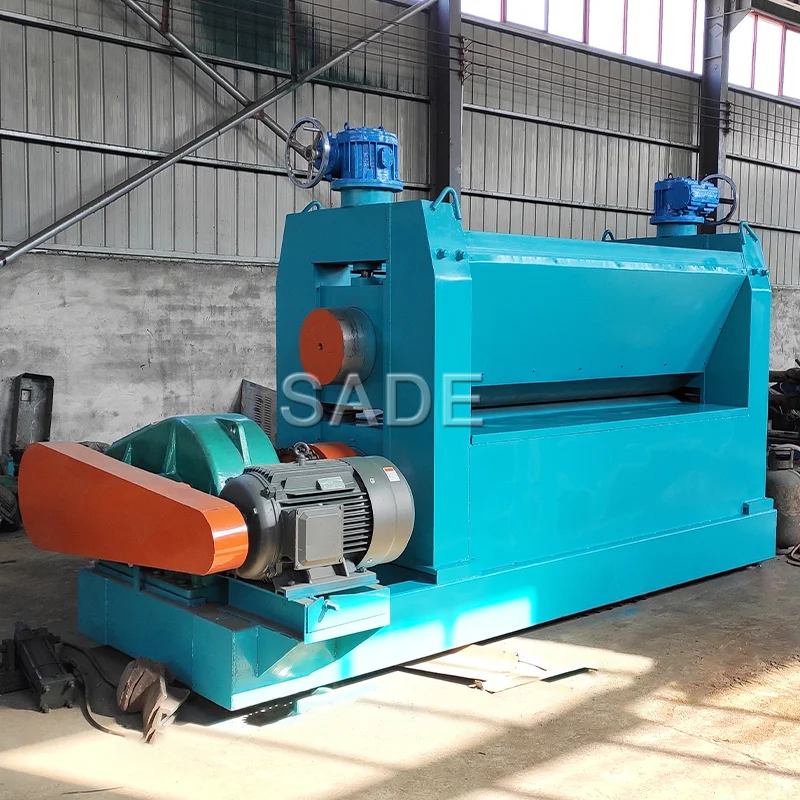
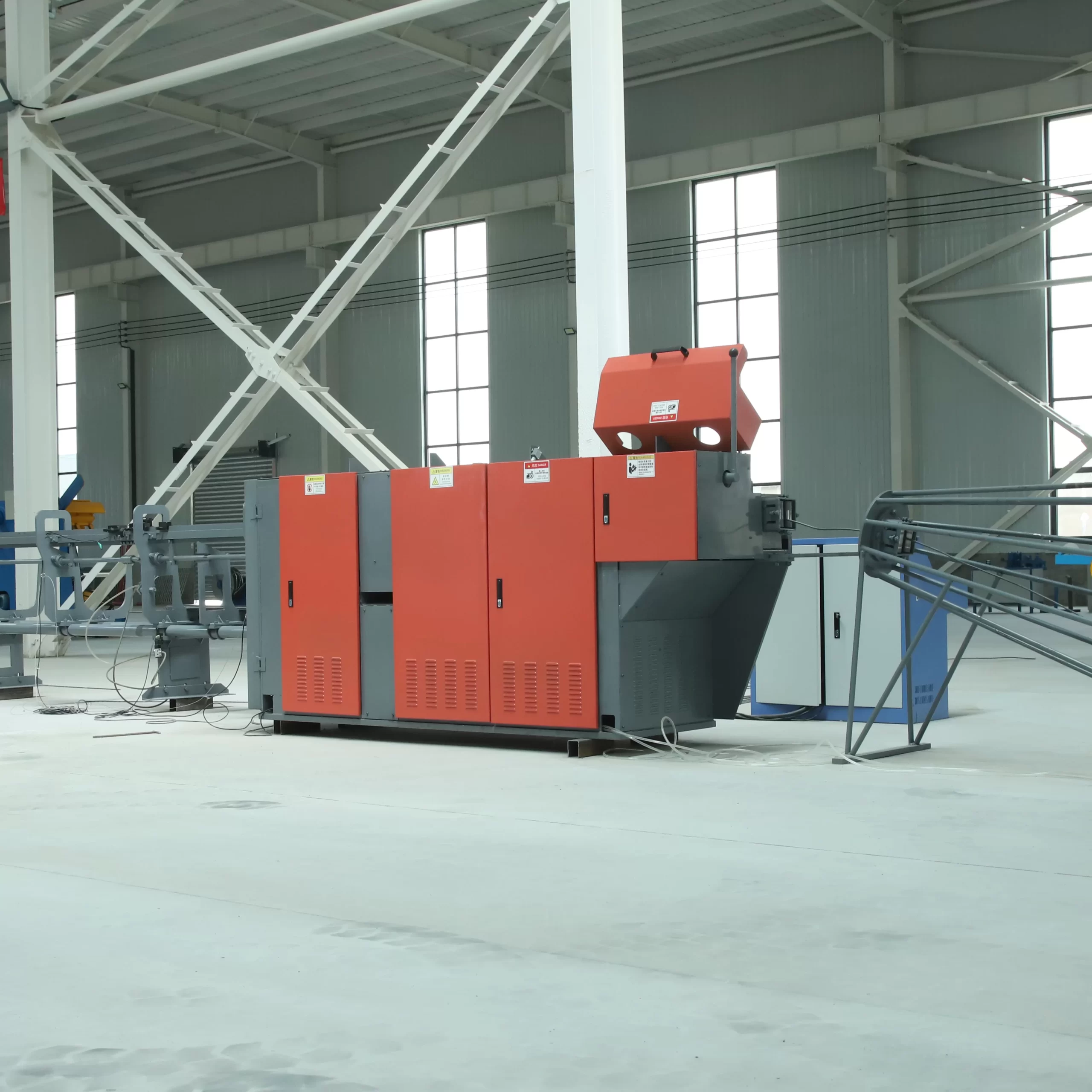
ZPJ Metal Mesh Flatting Machine
ZPJ metal mesh flatting machine is special designed for expanded metal flatting.It’s a corollary equipment of expanded metal machine. It can make expanded wire-mesh smoothly.And the flattened expanded metal have much more widely different applications.
Apr 24, 2026
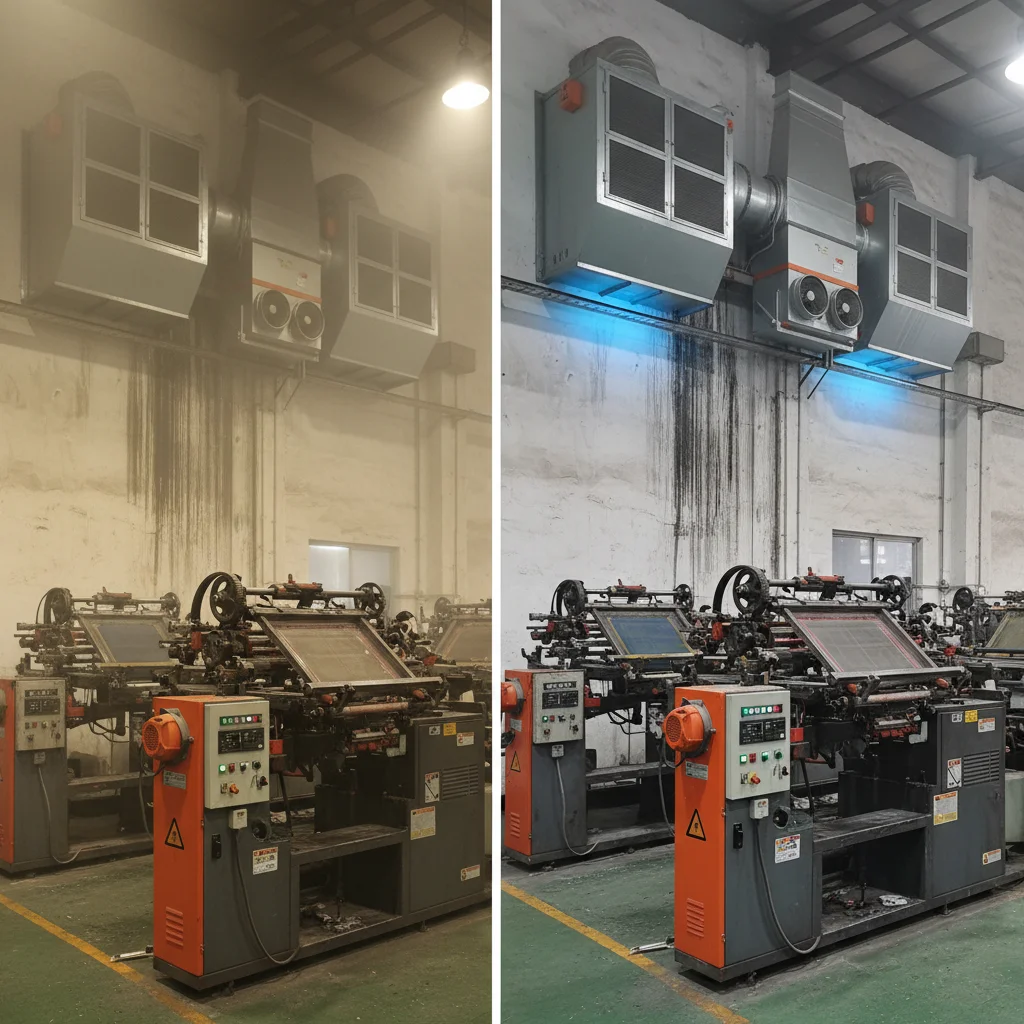
Industrial Wall Mounted Air Filtration for Clean Work Environments