
October 30, 2025
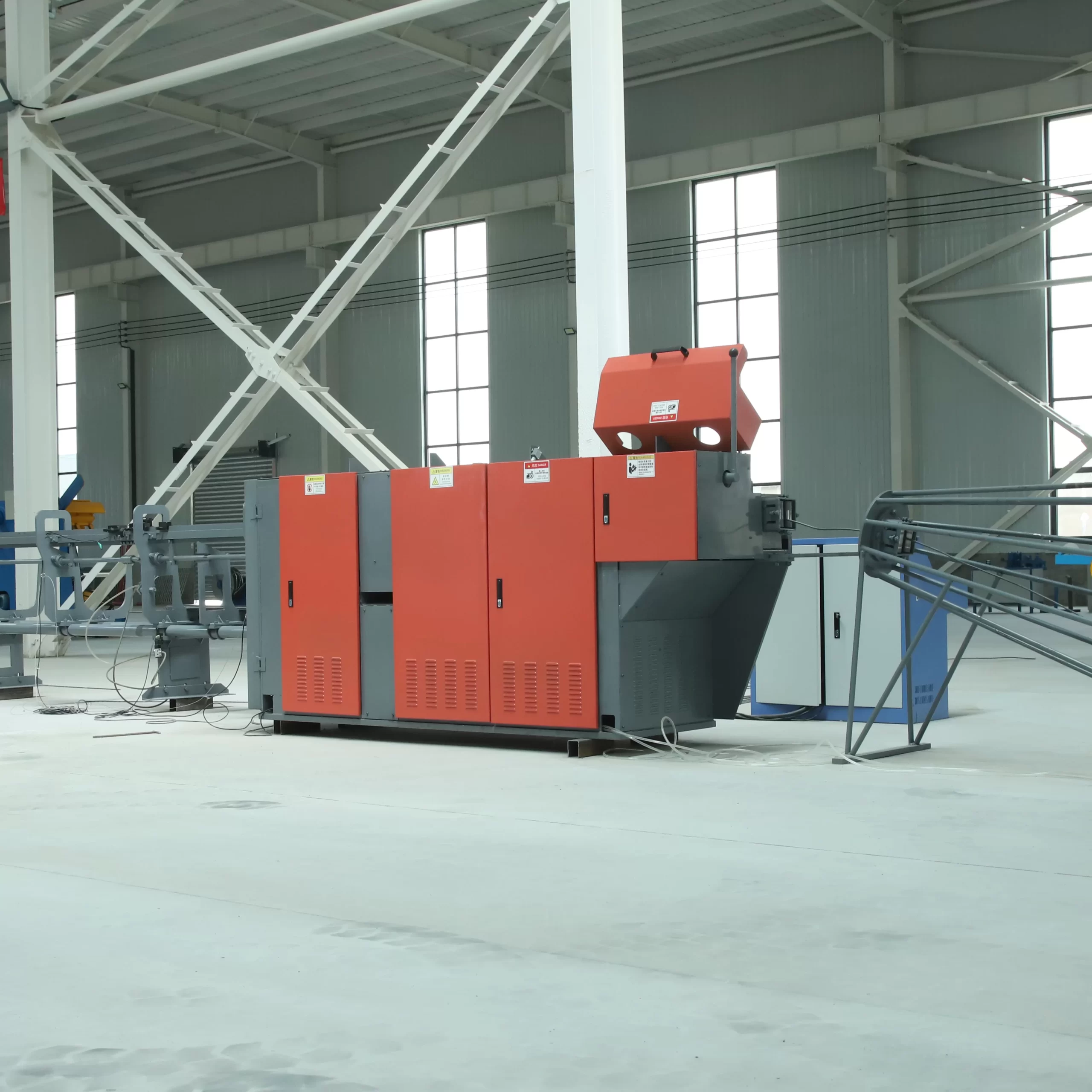
In the construction and steel manufacturing industry, producing high-quality reinforcement bars is essential for ensuring the strength and durability of concrete structures. Ribbed bar cold drawing machines and ribbed bar cold rolling machines play a vital role in shaping and strengthening steel bars used in reinforced concrete. These machines help create precise ribs on steel bars, improving their bonding with concrete and ensuring structural stability.
This article explores the types, benefits, and applications of ribbed bar producing machines and ribbed wire machines, highlighting the importance of steel bar ribs forming machines in modern construction and industrial steel production.
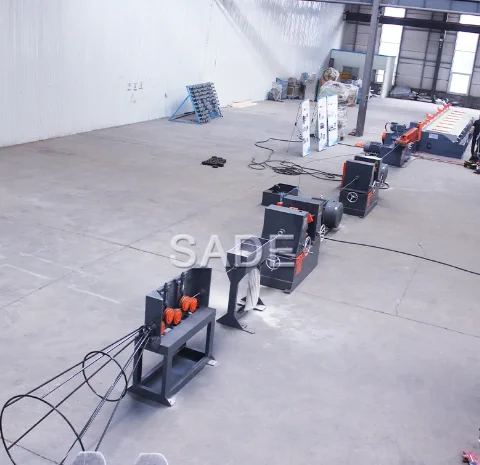
A ribbed bar cold drawing machine is designed to reduce the diameter of steel bars while forming ribs on their surface. Cold drawing involves pulling the steel bar through a series of dies at room temperature, increasing its tensile strength, hardness, and surface finish. Unlike hot-rolled bars, cold-drawn ribbed bars exhibit higher precision and superior mechanical properties, making them suitable for high-performance applications.
A ribbed bar cold rolling machine operates similarly to a cold drawing machine but incorporates rolling dies to shape ribs on the steel bar’s surface. The rolling process improves the bond between concrete and steel, ensuring enhanced structural integrity in reinforced concrete constructions.
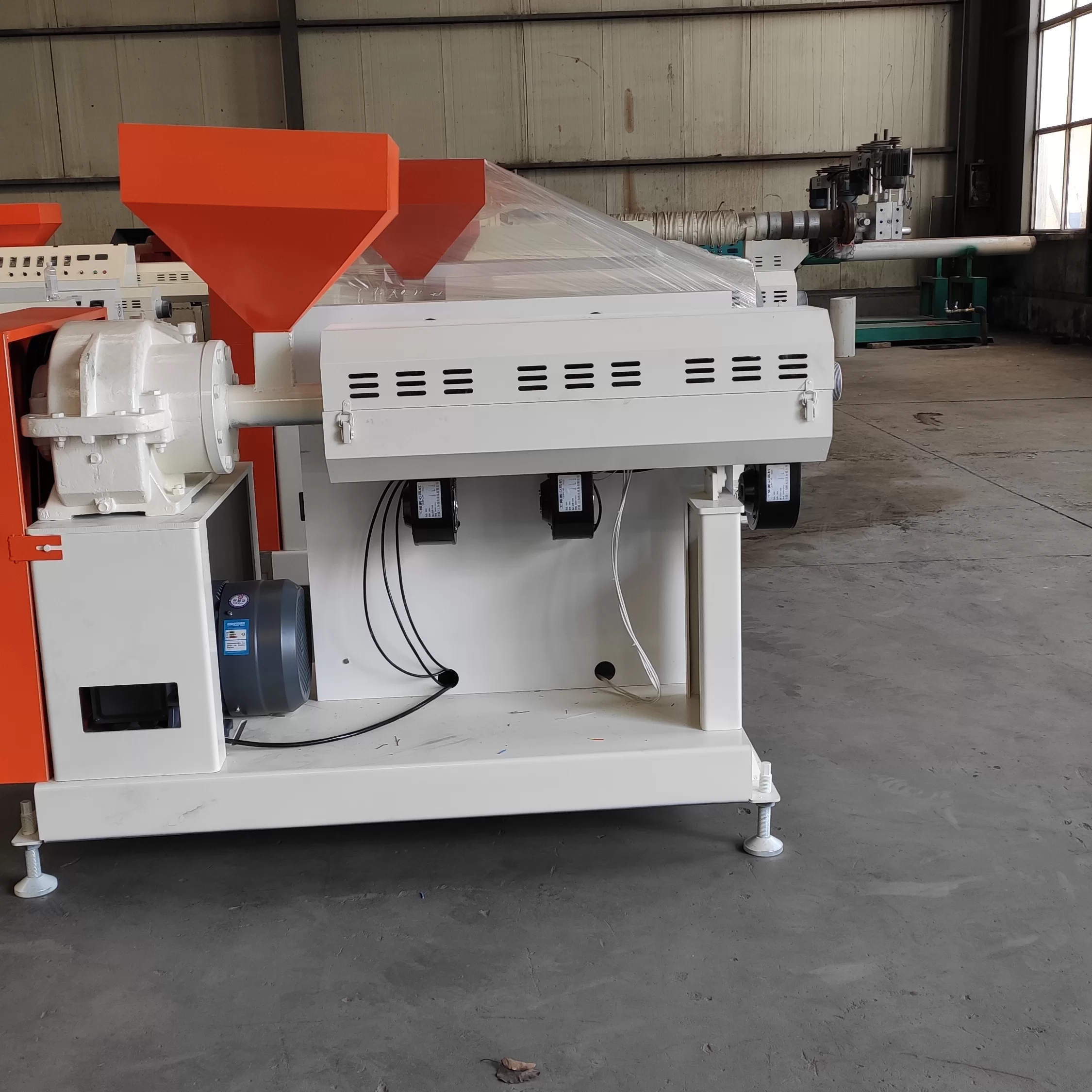
Ribbed bar producing machines integrate multiple processes, including drawing, rolling, and cutting. These machines are capable of producing ribbed bars in various diameters and lengths, making them highly versatile for industrial applications.
While similar to ribbed bar machines, ribbed wire machines are often used for smaller-diameter bars or wire rods. They can produce ribbed wire suitable for concrete reinforcement, wire mesh, and other construction purposes.
A steel bar ribs forming machine is specialized equipment that shapes ribs on steel bars to enhance their adhesion to concrete. These machines are essential in producing high-quality ribbed bars with uniform rib height, spacing, and angle, which directly affect the load-bearing capacity of reinforced structures.
One of the primary benefits of using ribbed bar cold drawing machines or ribbed bar cold rolling machines is the increased tensile strength of the finished bars. Cold drawing aligns the steel grain structure, improving mechanical properties and ensuring that ribbed bars can withstand higher stress levels.
The use of a steel bar ribs forming machine ensures uniform rib patterns on each bar. This uniformity is crucial for achieving consistent bonding with concrete, which prevents slippage and improves structural stability.
Ribbed bar producing machines can produce bars of different diameters, lengths, and rib patterns. This flexibility allows manufacturers to cater to various construction standards, project specifications, and international quality requirements.
Investing in a ribbed wire machine or ribbed bar cold drawing machine reduces material waste and improves production efficiency. Automated machines allow continuous operation, minimizing downtime and lowering labor costs.
These machines are widely used in:
Construction: Reinforcement bars for buildings, bridges, tunnels, and highways.
Precast concrete elements: Ribbed bars for panels, beams, and slabs.
Wire mesh production: Smaller ribbed wires for industrial and commercial mesh applications.
Whether it is a ribbed bar cold drawing machine for high-strength bars or a ribbed wire machine for smaller applications, these machines play a critical role in modern steel production.
Ribbed bar cold drawing machines, ribbed bar cold rolling machines, and ribbed bar producing machines are indispensable for producing high-quality reinforcement bars. By ensuring precise rib formation, enhanced tensile strength, and consistent quality, these machines directly contribute to the durability and safety of concrete structures.
Additionally, ribbed wire machines and steel bar ribs forming machines provide versatility, enabling manufacturers to produce a wide range of ribbed steel products suitable for different industrial and construction applications. Investing in reliable machinery ensures efficiency, cost-effectiveness, and long-term profitability in the steel manufacturing sector.
1. What is a ribbed bar cold drawing machine used for?
A ribbed bar cold drawing machine is used to reduce the diameter of steel bars and form ribs on their surface, enhancing their strength and bonding with concrete.
2. How does a ribbed bar cold rolling machine differ from a cold drawing machine?
A ribbed bar cold rolling machine uses rolling dies to form ribs, while a cold drawing machine primarily reduces the diameter of the bar. Some modern machines combine both processes for efficiency.
3. What are steel bar ribs forming machines used for?
A steel bar ribs forming machine shapes uniform ribs on steel bars, ensuring consistent adhesion to concrete and improving the structural performance of reinforced elements.
4. Can ribbed bar producing machines handle different bar diameters?
Yes. Most ribbed bar producing machines are adjustable and can produce bars of various diameters, lengths, and rib patterns, catering to different construction standards.
5. What industries use ribbed wire machines?
Ribbed wire machines are used in construction for reinforcement mesh, industrial wire products, and smaller concrete reinforcement bars. They are also used in precast concrete production and fencing applications.
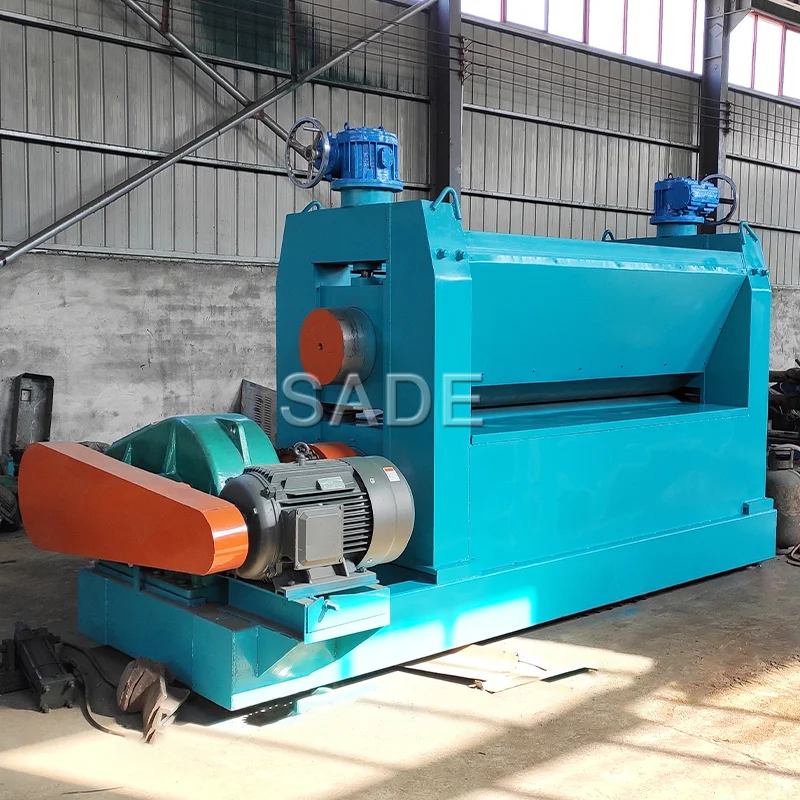
ZPJ Metal Mesh Flatting Machine
ZPJ metal mesh flatting machine is special designed for expanded metal flatting.It’s a corollary equipment of expanded metal machine. It can make expanded wire-mesh smoothly.And the flattened expanded metal have much more widely different applications.
Apr 24, 2026
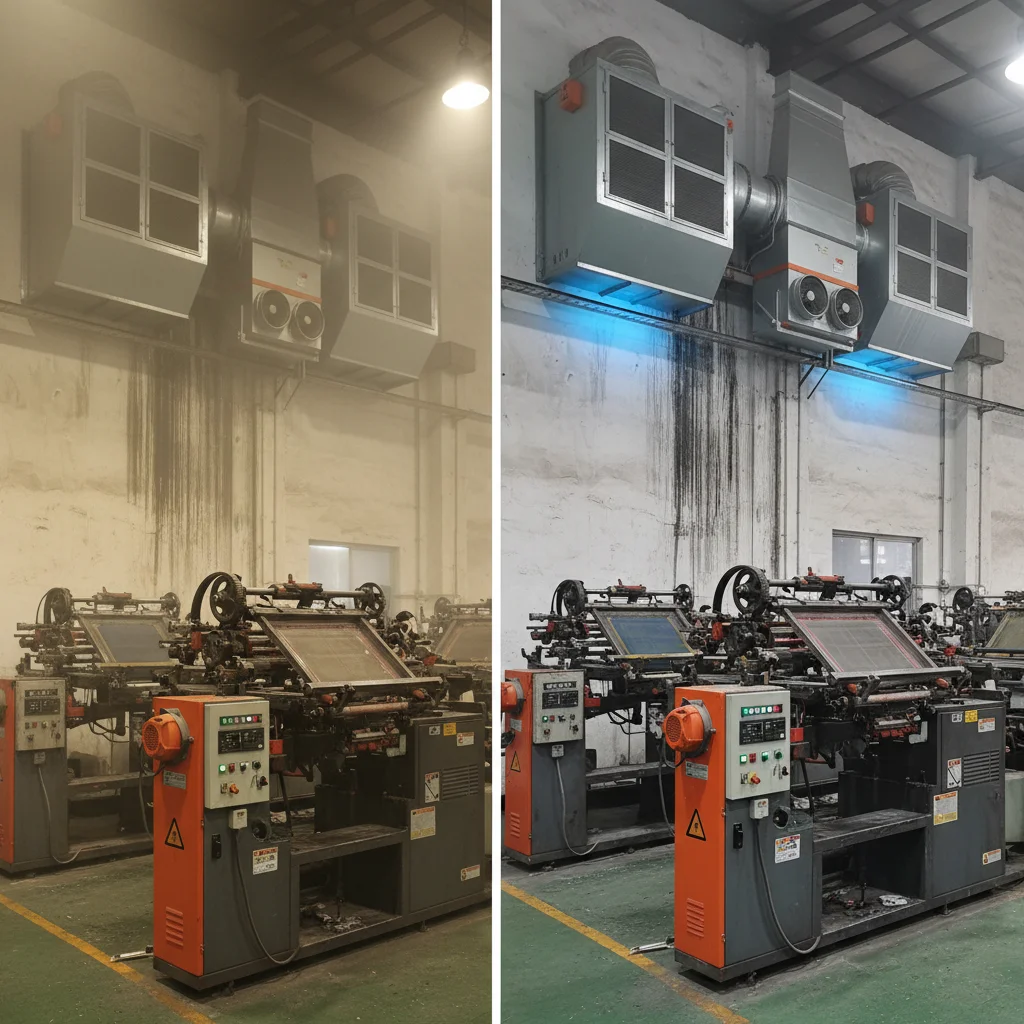
Industrial Wall Mounted Air Filtration for Clean Work Environments